Understanding Animal Feed Regulations and Licensing
Introduction to Animal Feed Regulations
Animal feed regulations are vital for ensuring the safety, quality, and effectiveness of feed products for livestock, poultry, and other animals. These regulations help protect animal health, public safety, and the environment.
Importance of Compliance with Animal Feed Standards
Compliance with animal feed standards is crucial for farmers and manufacturers. These standards ensure that feed is safe for consumption and free from harmful contaminants. Non-compliance can lead to penalties, loss of business, and serious health issues in animals.
Key Components of Animal Feed Regulations
- Feed Manufacturing Permit: Before starting a feed business, obtaining a feed manufacturing permit is essential. This permit is issued by regulatory authorities and verifies that the manufacturing facility meets safety and quality standards.
- Feed Registration Process: Most regions require feed products to be registered. This process often includes submitting samples for testing and ensuring that formulations adhere to established nutritional guidelines.
- Feed Labeling Requirements: Accurate labeling is mandated by law. Labels must provide clear information about ingredients, nutritional content, and feeding instructions, helping farmers make informed choices.
- Feed Compliance: Regular inspections and audits ensure that feed manufacturers comply with regulations. This includes reviewing production processes and product testing.
Steps to Ensure Compliance with Animal Feed Regulations
To successfully navigate the landscape of animal feed regulations, farmers and manufacturers should follow these steps:
Step 1: Understand Local Regulations
Different regions may have varying regulations. Familiarize yourself with local laws regarding animal feed production, handling, and distribution. This knowledge is crucial for compliance.
Step 2: Obtain Necessary Permits and Licenses
Before starting production, ensure you have acquired all necessary permits, including the feed manufacturing permit. This not only legitimizes your business but also builds trust with consumers.
Step 3: Implement Quality Control Measures
Establish quality control processes to regularly test raw materials and finished products. This helps in maintaining compliance with animal feed standards and ensures the safety of your products.
Step 4: Develop Clear and Accurate Labels
Create labels that comply with feed labeling requirements. Include all necessary information, such as ingredients, nutritional value, and usage instructions, to help farmers make informed decisions.
Step 5: Regularly Update Knowledge and Practices
The regulatory landscape can change. Stay informed about new regulations and best practices in feed manufacturing to ensure ongoing compliance.
Common Challenges in Meeting Animal Feed Regulations
Farmers and manufacturers often face challenges in meeting animal feed regulations:
- Complex Regulations: Understanding and navigating the complex regulatory framework can be overwhelming.
- Cost of Compliance: Implementing quality control measures and maintaining compliance can incur additional costs.
- Staying Updated: Regulatory changes may occur frequently, making it essential to stay informed.
How Veterinary Products and Supplements Can Help
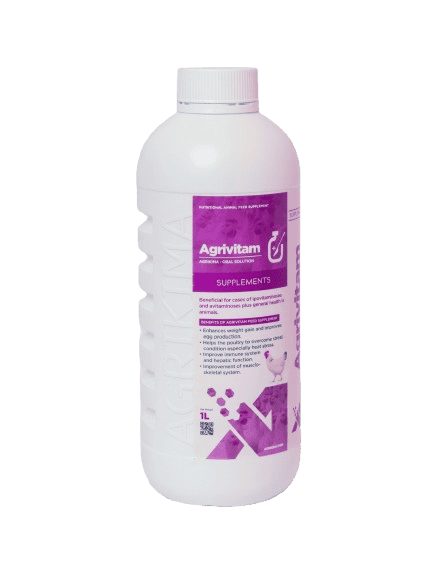
Investing in quality veterinary products and supplements can enhance animal health and productivity, while also aligning with regulatory standards. Using safe, compliant ingredients in feed formulations can help farmers meet both nutritional and regulatory requirements.
Conclusion
Understanding animal feed regulations and licensing requirements is critical for farmers and manufacturers. By following the outlined steps and being proactive in compliance, you can ensure the health of your animals, the safety of your products, and the sustainability of your business in the agricultural sector.