Understanding Anti-Nutritional Factors in Poultry Feed
Introduction
Poultry farmers must be vigilant about the quality of the feed they provide. Common anti-nutritional factors in poultry feed ingredients can reduce nutrient availability and adversely affect flock health. Understanding these factors is crucial for optimizing poultry nutrition and ensuring healthy, productive birds.
What are Anti-Nutritional Factors?
Anti-nutritional factors are substances that, when present in animal feed, hinder nutrient absorption and utilization. They may lead to various health issues in poultry, including reduced growth rates, poor feed conversion, and higher mortality rates. These factors can be found in many poultry feed ingredients, particularly plant-based sources.
Common Anti-Nutritional Factors in Poultry Feed Ingredients
1. Non-Starch Polysaccharides (NSPs)
NSPs are found predominantly in grains and legumes. They can interfere with digestion and nutrient absorption, leading to lower feed efficiency. Reducing NSP content through proper processing techniques can enhance digestibility and nutrient availability.
2. Phytates
Phytates are forms of phosphorus found in many plant feed ingredients. Poultry lack the enzyme phytase, which means they cannot fully utilize this phosphorus. This can lead to deficiencies and reduced bone health. Supplementing with phytase can help mitigate this issue, improving phosphorus availability from feed.
3. Tannins
Present in certain legumes and seeds, tannins can inhibit protein digestibility and interfere with nutrient absorption. They can also reduce palatability, which may lead to lower feed intake in poultry. Selecting low-tannin feed sources or using processing methods like soaking can help reduce their negative effects.
4. Lectins
Lectins are carbohydrate-binding proteins found in various feed ingredients, particularly in legumes. They can cause gut irritation and affect nutrient absorption, leading to suboptimal growth and health issues in poultry. Proper cooking or processing of these ingredients can help reduce lectin activity.
5. Saponins
Found in many plant sources, saponins can create foaming problems in the gastrointestinal tract, leading to reduced feed intake and digestion efficiency. Selecting feed ingredients with lower saponin levels or using detoxification methods can help improve poultry health.
6. Oxalates
Oxalates, present in many leafy greens and certain seeds, can bind minerals like calcium, making them less available for absorption. This can lead to deficiencies, particularly in growing birds. Reducing oxalate content through processing methods such as cooking can alleviate this issue.
Impact of Anti-Nutritional Factors on Poultry Health
The presence of anti-nutritional factors not only affects nutrient absorption but can also lead to various health problems in poultry. These may include:
- Reduced weight gain and feed efficiency
- Increased susceptibility to diseases
- Lower egg production in layers
- Deficiencies in essential vitamins and minerals
By understanding and managing these factors, farmers can improve the overall feed ingredient quality and health of their flocks.
Strategies for Mitigation
1. Ingredient Selection
Choosing high-quality feed ingredients with low levels of anti-nutritional factors is essential. Farmers should prioritize grains and legumes that have been tested for their nutritional profiles.
2. Processing Techniques
Utilizing proper processing techniques such as cooking, soaking, or fermentation can reduce the levels of anti-nutritional factors. Hydrothermal processing, for example, is effective in improving protein digestibility by reducing these factors.
3. Supplementation
Adding specific enzymes, such as phytase, or other supplements can help improve nutrient availability in feed. This is particularly important for managing phytates and other anti-nutritional factors.
Conclusion
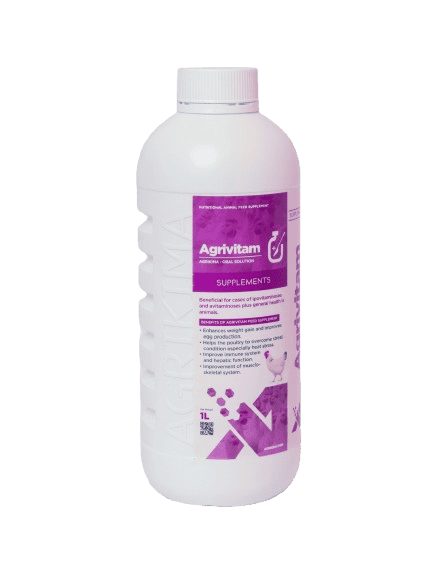
Awareness and management of anti-nutritional factors in poultry feed ingredients are essential for maintaining optimal flock health and productivity. By selecting quality ingredients, utilizing effective processing methods, and considering appropriate supplementation, poultry farmers can enhance the nutritional value of their feed and ensure the well-being of their birds. Agrikima offers a range of veterinary products and nutritional supplements to help farmers address these challenges effectively.
Your message to the team
Sources: Read More
- ANTI-NUTRITIONAL FACTORS IN POULTRY FEED — Poultry Extension
- 6. ANTI-NUTRITIONAL FACTORS PRESENT IN PLANT FEEDSTUFFS — Food and Agriculture Organization (FAO)
- Dietary Anti-nutritional Factors and Their Roles in Livestock Nutrition — AGRICOLA
- (Bio)Technological processing of poultry and pig feed: Impact on the composition, digestibility, anti-nutritional factors and hygiene — ScienceDirect
- CEREALS IN POULTRY DIETS — Poultry Extension
- THE NUTRITION AND FEEDING OF FARMED FISH AND SHRIMP — Food and Agriculture Organization (FAO)