Understanding Antibiotic Residues in the Food Chain

Introduction to Antibiotic Residues
Antibiotic residues in the food chain pose significant risks to food safety and public health. These residues are remnants of antibiotics that are used in livestock production and can find their way into meat, milk, and eggs, affecting consumers negatively.
How Antibiotic Residues Enter the Food Chain
Antibiotic residues enter the food chain through various pathways, primarily linked to livestock farming practices. Understanding these pathways is critical for farmers, consumers, and food safety regulators.
1. Use of Antibiotics in Livestock
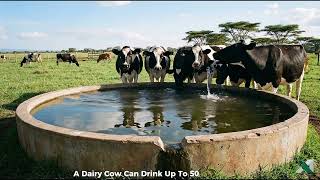
The primary way antibiotic residues enter the food chain is through the use of antibiotics in livestock. Farmers often use these medications to treat infections, prevent disease, and promote growth in animals. However, the unregulated and excessive use of these drugs can lead to residues in animal products.
2. Withdrawal Periods and Compliance
After administering antibiotics to livestock, there are recommended withdrawal periods before the animals can be slaughtered or their products consumed. If these withdrawal periods are not adhered to, antibiotic residues remain in the meat, milk, or eggs, leading to contamination.
3. Environmental Contamination
Antibiotic residues can also enter the food chain from environmental sources. Manure from treated animals may contaminate soil and water, allowing antibiotics to be absorbed by crops or leach into water supplies used for irrigation. This phenomenon can lead to antibiotic contamination in food products derived from these plants.
4. Processing and Distribution
During the processing of meat and dairy products, there is a risk of cross-contamination. If equipment used for processing is not properly cleaned, antibiotic residues from one batch could contaminate another. This risk is particularly high in facilities that handle multiple types of animal products.
5. Consumer Exposure
When consumers purchase meat, milk, or eggs with antibiotic residues, they may ingest these substances. This exposure poses health risks, including allergic reactions and the development of antibiotic-resistant bacteria in humans.
Implications for Food Safety
The presence of antibiotic residues in the food chain raises significant food safety concerns. Consumers are increasingly aware of the risks associated with antibiotic contamination, which can lead to distrust in the food supply and economic losses for farmers. Additionally, the rise of antimicrobial resistance poses a severe threat to public health, complicating the treatment of infections in humans.
Practical Tips for Farmers
Farmers can take several steps to minimize antibiotic residues in their livestock:
- Implement Responsible Usage: Use antibiotics only when necessary and follow veterinary guidance to avoid overuse.
- Adhere to Withdrawal Periods: Ensure that animals treated with antibiotics are not slaughtered or their products harvested before the recommended withdrawal time.
- Utilize Quality Veterinary Products: Invest in high-quality veterinary solutions that promote animal health without the need for antibiotics. Natural health solutions and supplements can help improve overall animal resilience.
- Enhance Biosecurity Measures: Implement biosecurity practices to prevent disease outbreaks that may lead to antibiotic usage.
- Educate Staff: Train farm staff on the importance of antibiotic stewardship and the implications of residues in food products.
Conclusion
Understanding how antibiotic residues enter the food chain is essential for ensuring food safety and protecting public health. By implementing responsible antibiotic use and exploring natural alternatives, farmers can contribute to a safer food supply while maintaining animal health.
Your message to the team
Sources: Read More
- Food safety | Antimicrobial Resistance | Food and Agriculture Organization of the United Nations — Food and Agriculture Organization of the United Nations
- Antibiotic Residues in Animal-Derived Foods: A Growing Food Safety Crisis and Regulatory Dilemma — Journal of Food Protection
- Antimicrobial Residues in Food from Animal Origin—A Review of the Literature Focusing on Products Collected in Stores and Markets Worldwide — Antibiotics
- Antimicrobial resistance and antimicrobial residues in the food chain — Present Knowledge in Food Safety
- Antibiotic Use in Livestock and Residues in Food-A Public Health Threat: A Review — Foods