Understanding Antibiotic Withdrawal Periods in Livestock
Introduction to Antibiotic Withdrawal Periods
As livestock farmers, ensuring the safety of our products is paramount. One crucial aspect of this is understanding the antibiotic withdrawal period livestock must adhere to. This period is the time between the last administration of an antibiotic to an animal and when that animal's products, such as meat, milk, or eggs, can safely enter the food chain without risking drug residues.
What Are Antibiotic Withdrawal Periods?
The withdrawal period is defined as the time from when an antibiotic is no longer administered to an animal until it is safe to market its products. This time varies based on several factors, including the type of antibiotic used, the method of application, and the specific animal species involved.
Importance of Adhering to Withdrawal Periods
Adhering to the established withdrawal periods is crucial for multiple reasons:
- Food Safety: Avoiding drug residues in meat, milk, and eggs is essential for consumer safety. Antibiotic residues can pose health risks and lead to regulatory penalties for farmers.
- Compliance with Regulations: Regulatory bodies, like the FDA, have strict guidelines to protect consumers. Following these guidelines helps avoid legal issues and maintain consumer trust.
- Market Access: Many markets have zero-tolerance policies for drug residues, which can limit your ability to sell products if residues are found.
How Withdrawal Periods Vary
The duration of withdrawal periods can vary significantly. For instance, a study on the withdrawal periods after treating pigs with oxytetracycline showed variations from 5 to 40 days depending on various factors. This variability underscores the need for farmers to be diligent in record-keeping and to consult veterinary advice when treating animals.
Factors Influencing Withdrawal Periods
Several factors can affect the length of withdrawal periods:
- Type of Antibiotic: Different antibiotics have different metabolic rates and clearance times in animals.
- Dosage and Administration Method: Higher doses or certain administration methods may require longer withdrawal times.
- Species of Animal: Withdrawal periods can differ for different species due to variations in metabolism.
Minimizing Drug Residues in Animal Products
To minimize the risk of drug residues in meat, milk, and eggs, farmers should implement the following best practices:
- Maintain Accurate Records: Keeping detailed records of drug administration helps track when medications were given and when withdrawal periods end. This practice is critical for preventing illegal drug residues and ensuring food safety.
- Consult with Veterinarians: Before administering any antibiotics, discuss treatment options with a veterinarian. They can provide guidance on appropriate withdrawal periods and alternatives to antibiotics where possible.
- Educate Your Team: Ensure all farm staff are trained on the importance of adhering to withdrawal periods and the implications of violating them.
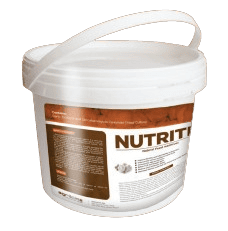
- Choose Quality Veterinary Products: Using high-quality veterinary products and supplements can improve animal health and reduce the need for antibiotics. Agrikima offers a range of natural animal health solutions that can support your livestock's health while minimizing antibiotic use.
Conclusion
Understanding and adhering to antibiotic withdrawal periods livestock must follow is crucial for both food safety and compliance with regulations. By maintaining good records, consulting with veterinarians, and utilizing quality health products, farmers can effectively manage antibiotic use and ensure their products are safe for consumers. Remember, adherence to these practices not only protects your business but also contributes to the overall health of the food supply.
Your message to the team
Sources: Read More
- Adequate Records Help Prevent Illegal Drug Residues and Ensure Food Safety — U.S. Food and Drug Administration (FDA)
- T.A.L.K. Before You Treat — U.S. Food and Drug Administration (FDA)
- Withdrawal periods after treatment of pigs with oxytetracycline in- and outside the European Union — ScienceDirect
- Antimicrobial Residues And Resistant Organisms: Their Occurrence, Significance, and Stability — National Center for Biotechnology Information (NCBI)
- Veterinary Drug Residues in Food Chains: Sources, Exposure Pathways, Health Impacts, Mitigation, and Safety Assurance — PubMed Central (PMC)