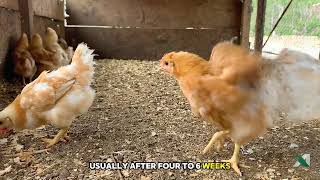
Aspergillosis in Chicks: Understanding Brooder Pneumonia
What is Aspergillosis?
Aspergillosis, commonly known as brooder pneumonia, is a serious respiratory condition affecting young poultry, particularly chicks. This disease is caused by the Aspergillus species of mold, which thrives in damp and contaminated environments. When chicks inhale spores from mouldy litter, they can experience severe respiratory distress, leading to symptoms like gasping and even death if not addressed promptly.
How Mouldy Litter Causes Aspergillosis
The primary source of aspergillosis in chicks is mouldy litter. When bedding material becomes wet or contaminated, it creates an ideal environment for mold growth. Chicks that are reared on such litter are at high risk of inhaling mold spores, resulting in acute respiratory issues.
Recognizing the Symptoms
It is crucial for poultry farmers to recognize the early signs of aspergillosis in their flocks. Key symptoms include:
- Silent gasping or gurgling sounds
- Open-beak breathing
- Increased thirst
- Rapid, laboured breathing
These symptoms can escalate quickly, with mortality rates ranging from 10% to as high as 50% for affected chicks.
Preventing Aspergillosis in Chicks
Preventive measures are essential for maintaining a healthy flock and avoiding the devastating effects of aspergillosis. Here are some practical tips:
1. Maintain Clean Bedding
Regularly change and clean the bedding in brooder houses. Avoid using moldy litter or bedding, as this significantly increases the risk of aspergillosis. Fresh, dry bedding is vital for minimizing moisture and mold growth.
2. Ensure Proper Ventilation
Good airflow is essential in poultry housing. Ensure that your brooder has adequate ventilation to reduce humidity levels, which can promote mold growth. Installing fans or using natural ventilation techniques can help keep the environment dry and reduce the risk of respiratory diseases.
3. Monitor Environmental Conditions
Keep a close eye on temperature and humidity levels in the brooder. Ideal conditions should be maintained to prevent litter from becoming damp. Regularly checking these conditions can help you catch issues before they lead to serious health problems.
4. Use Quality Veterinary Products
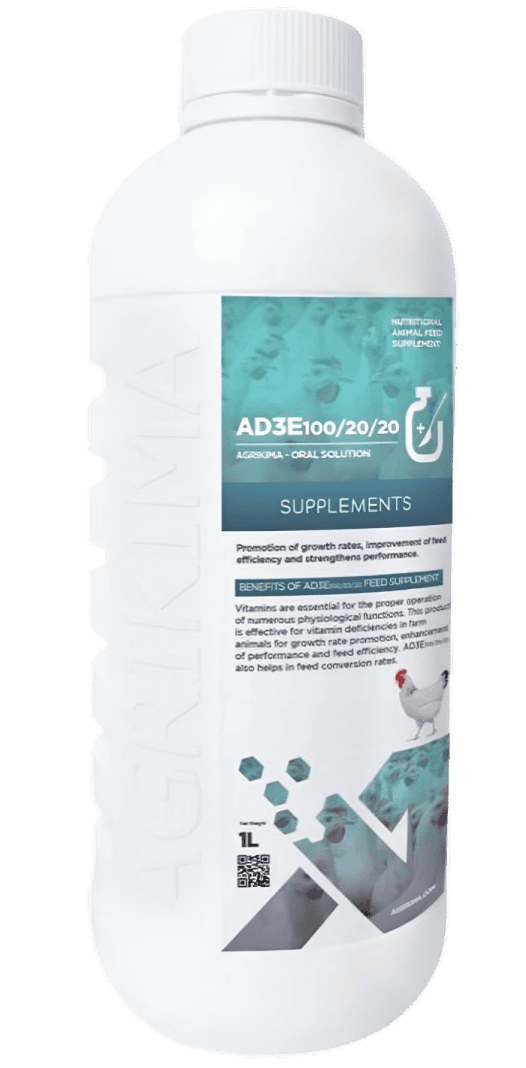
Incorporating quality veterinary products, such as mold inhibitors and respiratory supplements, can help support the health of your chicks. Agrikima offers a range of natural animal health solutions and supplements that can boost immune response and overall well-being in poultry.
Conclusion
Aspergillosis is a serious threat to the health of chicks, primarily caused by exposure to mouldy litter. By maintaining clean bedding, ensuring proper ventilation, and monitoring environmental conditions, farmers can significantly reduce the risk of this disease. Early detection of symptoms and prompt action can save lives. For optimal health, consider using veterinary products that enhance chick resilience against respiratory diseases. Protect your flock and ensure healthy growth by taking these preventive measures seriously.
Your message to the team
Sources: Read More
- Aspergillosis in Poultry – poultry.extension.org — eXtension / University of Kentucky
- Aspergillosis in Poultry – Merck Veterinary Manual — Merck Veterinary Manual
- Aspergillosis in poultry (brooder pneumonia) – VPhS — VPhS veterinary specialists
- Construction of a concrete floor and foot bath within an existing poultry pen to reduce the risk of infection and disease in poultry — Food and Agriculture Organization of the United Nations (FAO)
- Aspergillosis in Poultry Health Handbook – Yukon EMR library — Government of Yukon / Agriculture Poultry Health Handbook
- Aspergillus fumigatus in Poultry – International Journal of Microbiology (Wiley) — International Journal of Microbiology (peer‑reviewed journal)