Avian Influenza in Chickens: Signs and Response
Understanding Avian Influenza (Bird Flu)
Avian influenza, commonly known as bird flu, is a highly contagious viral infection that affects poultry, particularly chickens. This disease can lead to severe health issues and even sudden flock deaths. Early detection and response are crucial to managing avian influenza in chickens effectively.
Warning Signs of Avian Influenza in Chickens
Recognizing the symptoms of avian influenza in chickens is essential for farmers. The following signs can indicate an outbreak:
- Sudden Death: In some cases, chickens may die unexpectedly without any prior symptoms. This is one of the most alarming signs of highly pathogenic avian influenza (HPAI).
- Respiratory Distress: Infected chickens may show signs of coughing, sneezing, or nasal discharge, indicating respiratory issues.
- Facial Swelling: Look for swelling around the face, comb, and wattles, which can turn purple.
- Decreased Egg Production: A marked reduction in egg production or the appearance of soft-shelled eggs can be a sign of infection.
- Diarrhea: Chickens infected with avian influenza may exhibit watery greenish diarrhea.
- Lack of Energy: Infected birds may seem lethargic and less active than usual.
- Neurological Signs: Symptoms such as twisting of the head, incoordination, or muscle tremors may occur.
What to Do If You Suspect Avian Influenza
If you observe any of these symptoms in your flock, it is vital to take immediate action:
1. Isolate Infected Birds
Quarantine affected chickens to prevent the disease from spreading to healthy birds. This is a critical step in managing avian influenza and protecting your flock.
2. Notify Veterinary Authorities
Contact your local veterinary authority or animal health department immediately. Avian influenza is a notifiable poultry disease, meaning it must be reported to government authorities to help control its spread.
3. Enhance Biosecurity Measures
Implement strict biosecurity protocols to minimize the risk of infection. This includes:
- Limiting access to your poultry farm.
- Disinfecting equipment and clothing before and after handling birds.
- Keeping wild birds away from your poultry area, as they can be carriers of the virus.
4. Monitor Flock Health
Continuously observe your flock for any changes in behavior or health. Regular health checks can help you spot issues early and act promptly.
5. Use Quality Veterinary Products
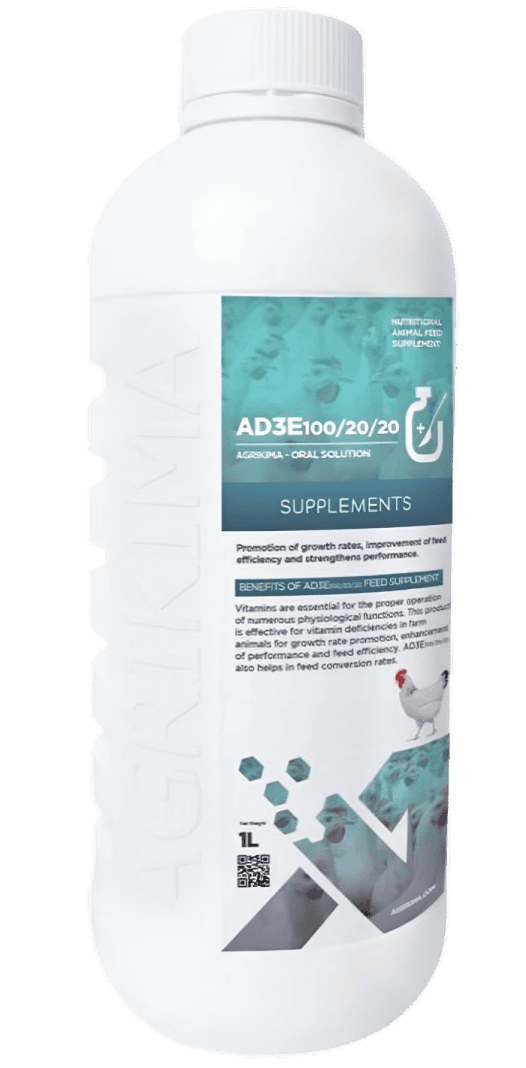
Consider incorporating quality veterinary products and supplements that can support the immune system of your chickens. This may help them resist infections and maintain overall health.
Preventing Avian Influenza in Chickens
Preventative measures are your best defense against avian influenza:
- Vaccination: Consult with a veterinarian about vaccination options for your flock. Vaccines can be effective in preventing certain strains of avian influenza.
- Maintain Cleanliness: Regularly clean and disinfect poultry houses, equipment, and vehicles used on the farm.
- Control Wild Bird Access: Use netting or other barriers to prevent wild birds from coming into contact with your poultry.
- Educate Yourself and Staff: Ensure that everyone involved in poultry care is aware of avian influenza's signs and prevention strategies.
Conclusion
Avian influenza poses a significant threat to chicken flocks, and recognizing its warning signs is essential for farmers. By taking immediate action upon suspicion of infection, enhancing biosecurity measures, and utilizing veterinary products, you can help safeguard your poultry and ensure their health. Stay informed and proactive to protect your investment and livelihood.
Your message to the team
Sources: Read More
- Avian Influenza | Animal and Plant Health Inspection Service — USDA APHIS
- NVAP Reference Guide: Avian Influenza | APHIS — USDA APHIS
- Avian Influenza of Poultry — University of Kentucky Cooperative Extension
- HOW DO YOU KNOW IF YOUR CHICKENS HAVE THE FLU? — University of Kentucky Cooperative Extension
- Recommendations — FAO — Food and Agriculture Organization (FAO)
- Avian Influenza (AI) — What to expect if your animals are infected — Canadian Food Inspection Agency