Beginner's Goat Farming Guide: Tips and Best Practices
Introduction to Goat Farming
Goat farming is an increasingly popular venture among livestock farmers due to its low investment costs and high returns. For beginners, understanding the basics of goat rearing is crucial to ensure a profitable and sustainable operation. This goat farming guide will provide you with essential tips on how to start goat farming, best practices for goat rearing, and advice on small scale goat farming.
Getting Started with Goat Farming
1. Choosing the Right Breed
Before embarking on your goat farming journey, the first step is selecting the right breed. Different breeds serve different purposes:
- Dairy Goats: Breeds like Saanen and Nubian are known for their high milk production.
- Meat Goats: Boer goats are preferred for their rapid growth rate and meat quality.
- Fiber Goats: Angora and Cashmere goats are raised for their fibers.
- Pygmy Goats: Ideal for small scale farming and as pets.
2. Setting Up Your Farm
Creating a suitable environment for your goats is essential. Here are some key considerations:
- Space: Goats need adequate space to roam and graze. A minimum of 200 square feet per goat is recommended.
- Fencing: Install sturdy fencing to protect your goats from predators and prevent them from wandering off.
- Shelter: Provide a clean, dry shelter to protect goats from harsh weather conditions.
Essential Goat Rearing Tips
1. Nutrition and Feeding
Proper nutrition is critical for the health and productivity of your goats. Here are some feeding tips:
- Provide a balanced diet consisting of hay, pasture, grains, and minerals.
- Ensure fresh, clean water is available at all times.
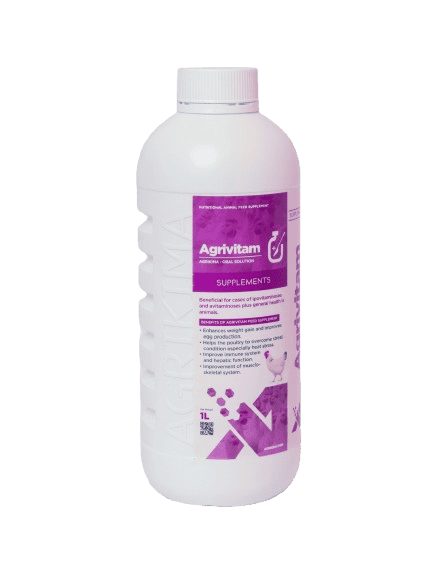
- Consider using quality veterinary products and supplements to enhance their diet and health.
2. Health and Veterinary Care
Regular health checks are vital for preventing diseases. Implement the following practices:
- Vaccinate goats according to a schedule recommended by a veterinarian.
- Establish a deworming program to prevent parasitic infections.
- Keep an eye out for signs of illness, such as coughing, lethargy, or loss of appetite.
3. Breeding Practices
If you are interested in breeding goats, consider these pointers:
- Choose healthy breeding stock and ensure they are of appropriate age and health status.
- Understand the breeding cycle of goats, which is typically around 21 days.
- Plan for kidding and ensure that you have the necessary supplies and knowledge to assist during birth.
Small Scale Goat Farming
For those interested in small scale goat farming, here are additional tips:
- Start with a small number of goats to understand their needs and behaviors before expanding.
- Utilize local resources, such as community support groups or agricultural extension services, for advice and assistance.
- Consider integrating goat farming with other farming activities, such as crop production, to maximize land use.
Conclusion
Starting a goat farming venture can be rewarding, especially for beginners. By following this goat farming guide, you can set a solid foundation for successful goat rearing. Remember to consider the right breed, implement effective feeding and health practices, and continuously educate yourself on goat management. With patience and dedication, your small scale goat farming business can thrive and contribute to your livelihood.