Best Practices for Bagging and Tracing Feed Batches
Introduction
In the agricultural industry, ensuring feed batch traceability is crucial for maintaining quality and safety standards. Proper bagging, labelling, and tracing of feed batches help farmers manage inventory effectively and comply with regulations. This guide explores best practices that can enhance traceability while ensuring the highest quality of feed for livestock.
Importance of Feed Batch Traceability
Feed batch traceability allows farmers to track the origin of ingredients and monitor the feed's journey from production to consumption. This practice mitigates risks associated with contamination, recalls, and regulatory compliance. Moreover, ensuring traceability can enhance consumer trust and marketability.
Best Practices for Bagging Feed
Bagging feed properly is essential for preventing spoilage and contamination. Here are key practices to follow:
- Use Quality Bags: Choose bags made from durable, moisture-resistant materials that meet feed bag standards. This helps in preserving the quality of the feed.
- Seal Bags Properly: Ensure that bags are sealed tightly to prevent exposure to air and moisture, which can lead to spoilage.
- Label Clearly: Each bag should have a clear label detailing the contents, nutritional information, and expiration date.
Feed Labelling Rules
Adhering to feed labelling rules is not just a regulatory requirement but also a best practice for transparency. Consider the following:
- Include Lot Numbers: Implement lot numbering for each batch of feed. This allows for easy identification and tracking in the event of a recall.
- Provide Nutritional Information: Labels should include specific nutritional content, additives, and any allergens present in the feed.
- Compliance with Local Regulations: Ensure that your labels comply with regional and national feed labelling regulations to avoid legal issues.
Implementing Lot Numbering
Lot numbering is essential for effective traceability. Here’s how to implement it:
- Develop a Numbering System: Create a logical numbering system that allows easy tracking of batches. For example, use the date of production followed by a unique identifier.
- Record Keeping: Maintain detailed records of each batch, including ingredients, production date, and distribution channels. Software tools can help streamline this process.
- Train Staff: Ensure that all staff involved in the production and packaging process understand the importance of lot numbering and adhere to the system.
Tracing Feed Batches
Effective tracing of feed batches involves several steps:
- Inventory Management Systems: Utilize inventory management software to track feed from production to delivery. This helps in maintaining accurate records of stock levels and batch information.
- Regular Audits: Conduct regular audits of your feed inventory and tracing system. This can help identify any discrepancies and ensure compliance with best practices.
- Supplier Verification: Ensure that your suppliers follow similar tracing practices. This helps maintain the quality of raw materials used in your feed.
Leveraging Technology for Traceability
Technology can enhance feed batch traceability significantly. Here are some tools to consider:
- Barcode Systems: Implement barcode scanning for easy tracking of feed batches. This allows for quick retrieval of information when needed.
- Blockchain Technology: Explore blockchain solutions for complete transparency in the supply chain. This technology can provide an immutable record of feed batches from source to consumer.
- Mobile Applications: Use mobile apps for on-the-go tracking and management of feed batches. This can improve efficiency for farmers and distributors alike.
Quality Veterinary Products and Supplements
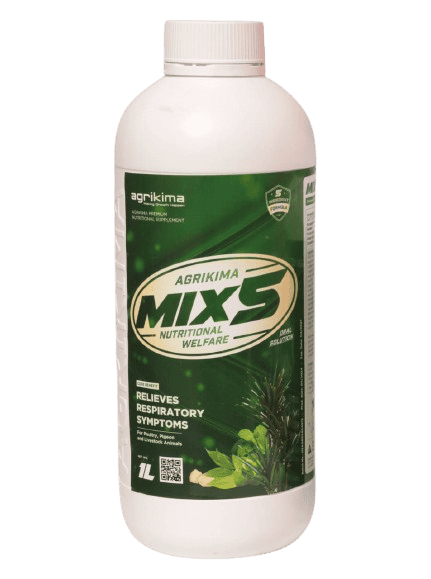
Incorporating quality veterinary products and supplements can further enhance the health and productivity of livestock. Ensure that the supplements you use are traceable and compliant with industry standards. Always maintain accurate records of these products as part of your feed traceability system.
Conclusion
Implementing best practices for bagging, labelling, and tracing feed batches is vital for ensuring feed batch traceability. By following the outlined strategies, farmers can enhance the quality and safety of their feed, comply with regulations, and build trust with consumers. Remember, effective traceability not only safeguards your livestock but also strengthens your business reputation in the agricultural market.