Best Vaccination Schedule for Layers
Understanding Layer Vaccination
Vaccination is a crucial part of poultry management, especially for layer chickens. An effective layer vaccination schedule not only protects your flock from diseases but also enhances egg production and overall health. This guide will provide you with a comprehensive vaccination schedule, tips on poultry vaccines, and insights into chicken immunization.
Why Vaccination is Important
Vaccination plays a vital role in preventing outbreaks of infectious diseases that can devastate your flock. Healthy layers are more productive, leading to better egg production, which is essential for the poultry business. Regular vaccinations, when combined with quality veterinary products and supplements, can significantly improve the resilience of your chickens.
Common Diseases in Layers
Before diving into the vaccination schedule, it’s essential to understand some common diseases that affect layer chickens:
- Newcastle Disease: Highly contagious and can lead to high mortality rates.
- Infectious Bursal Disease (IBD): Affects the immune system and can cause significant losses.
- Avian Influenza: A severe viral infection that can decimate poultry populations.
- Fowl Pox: A viral disease that causes lesions and can affect egg production.
Layer Vaccination Schedule
Here’s a practical vaccination schedule tailored for layers in Kenya:
Day 1: Marek's Disease Vaccine
Administer Marek's vaccine immediately after hatch to protect against this viral disease. This is crucial for the health of your flock.
Week 4: Newcastle Disease Vaccine (Live Vaccine)
At four weeks, administer a live Newcastle Disease vaccine to stimulate immunity against this highly contagious disease.
Week 5: Infectious Bursal Disease Vaccine
Administer the Infectious Bursal Disease vaccine at week five to enhance the immune system of your chickens.
Week 6: Fowl Pox Vaccine
At six weeks, administer the Fowl Pox vaccine to provide protection against this viral infection.
Week 8: Newcastle Disease Vaccine (Inactivated Vaccine)
Administer an inactivated Newcastle Disease vaccine at week eight to boost immunity.
Week 12: Re-vaccination for IBD
Re-vaccinate for Infectious Bursal Disease to ensure ongoing protection.
Week 16: Final Newcastle Disease Booster
Administer the final Newcastle Disease booster to maintain immunity as layers approach their first egg-laying period.
Best Practices for Vaccination
To maximize the effectiveness of your layer vaccination schedule, follow these best practices:
- Consult with a Veterinarian: Always work with a qualified veterinarian to determine the best vaccines for your flock.
- Keep Records: Maintain detailed records of vaccinations, including dates and types of vaccines administered.
- Proper Administration: Ensure vaccines are administered correctly, following the manufacturer’s instructions.
- Monitor Health: After vaccination, observe your chickens for any adverse reactions and ensure they are healthy.
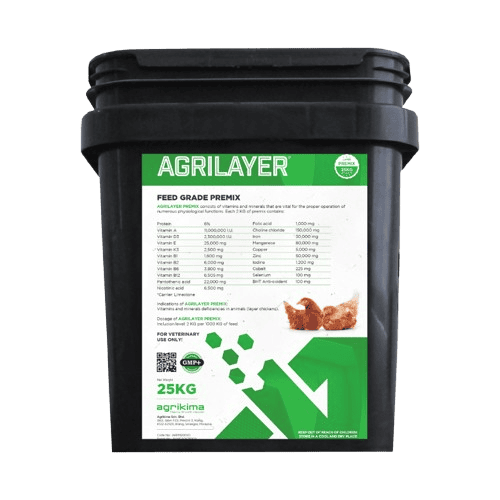
- Nutrition: Invest in quality supplements and feed additives to boost the immune system of your layers.
Conclusion
Implementing a structured layer vaccination schedule is essential for any poultry farmer aiming at high egg production and healthy chickens. By following the outlined schedule and best practices, you can protect your flock from diseases and enhance their productivity. Remember, quality veterinary products and supplements are invaluable tools in maintaining your flock’s health.