Better Prices for Goat and Sheep Skins: Flaying, Salting, Drying
Introduction
In the livestock industry, goat and sheep skins are valuable products that can significantly enhance a farmer's income. Proper handling of these skins through flaying, salting, and drying is essential to maximize their quality and marketability. In this article, we will explore the best practices for each of these processes to help farmers secure better prices for their goat and sheep skins.
Understanding Goat Skin Flaying
Flaying is the initial step in skin preservation and involves the careful removal of the skin from the animal. Proper flaying is crucial for ensuring the quality of the hide. Here are some tips to consider:
- Use Sharp Tools: Always use sharp knives to minimize damage to the hide. Dull tools can cause unnecessary tearing and reduce the skin's value.
- Technique Matters: Employ a methodical technique to avoid leaving excess flesh on the skin. Aim for a clean cut that preserves as much of the hide as possible.
- Timing is Key: Skin the animal shortly after slaughter to reduce spoilage. The sooner you can flay the skin, the better the quality you will achieve.
Effective Salting Techniques
Once the skin is flayed, salting is the next critical step. Salting helps to preserve the skin by drawing moisture out, which can lead to bacterial growth if left untreated. Here are effective salting methods:
Wet Salting
Wet salting is one of the best methods for preserving goat and sheep skins. This technique involves using a salt solution to cover the skin thoroughly. Here’s how to do it:
- Salt Concentration: Use a salt concentration of about 30% of the skin's weight for optimal preservation.
- Cover Completely: Ensure the entire surface of the skin is covered with salt to prevent spoilage.
- Timing: Apply salt immediately after flaying to minimize the risk of decay.
Dry Salting
Dry salting is another option that involves applying dry salt directly onto the skin.
- Layering: Apply a layer of salt, followed by the skin, and then another layer of salt on top. This helps to draw out moisture effectively.
- Quality Control: Monitor the skins for proper salting; insufficient salt can lead to spoilage and lower prices.
Drying Processes for Enhanced Quality
After salting, the next step is drying the skins. Proper drying is essential for preventing mold and ensuring the skins are ready for market.
Air Drying
Air drying involves hanging the skins in a well-ventilated area away from direct sunlight. Here are some tips:
- Location: Choose a shaded area to prevent the skins from becoming brittle due to excessive heat.
- Spacing: Hang the skins with enough space between them to allow for air circulation.
Sun Drying
While sun drying is a common practice, it can lead to inferior quality if not done correctly. If you choose to sun dry:
- Monitor Time: Limit exposure to the sun to prevent the skin from becoming too dry and cracking.
- Rotate Regularly: Rotate the skins to ensure even drying.
Enhancing Skin Quality for Better Prices
The quality of goat and sheep skins can significantly impact market prices. Implementing the above techniques can result in a more valuable product. Additionally, consider the following:
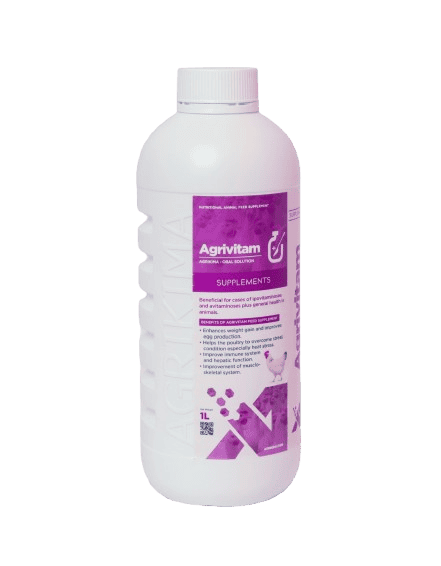
- Regular Veterinary Care: Ensure your livestock are healthy, as healthy animals produce better-quality skins. Agrikima offers quality veterinary products that can help.
- Market Research: Stay informed about current market trends to understand when and where to sell your skins for the best prices.
Conclusion
In conclusion, mastering the processes of goat skin flaying, salting, and drying is essential for farmers looking to enhance their income through better prices for their skins. By adopting these best practices, farmers can improve the quality of their hides and skins, ensuring they fetch higher prices in the market. Quality veterinary solutions available at Agrikima can further support farmers in maintaining healthy livestock, ultimately leading to better skin quality.
Your message to the team
Sources: Read More
- Correct flaying, drying and treatment of skins — Food and Agriculture Organization (FAO)
- Guidelines for preservation of goat and sheep skins (ISO 22284:2020) — International Organization for Standardization (ISO)
- Cleaner techniques for the preservation of raw goat skins — Journal of Cleaner Production (Elsevier)
- Constraints and opportunities in the hides and skins value chain in pastoral areas of northern Kenya — Livestock Research for Rural Development
- Manual for the slaughter of small ruminants in developing countries — Food and Agriculture Organization (FAO)
- Wet Salting Technology improves quality of hides and skins — FarmBizAfrica / Kenya Agricultural Research and Livestock Organization (KALRO)