Essential Biosecurity Basics for Small Poultry Farms

Understanding Poultry Biosecurity
Poultry biosecurity refers to the set of measures designed to prevent the introduction and spread of infectious diseases within poultry flocks. For small poultry farms, implementing effective biosecurity practices is crucial for maintaining the health of your birds and safeguarding your investment. Diseases such as avian influenza and Newcastle disease can devastate flocks, making farm disease prevention essential for every poultry farmer.
Key Biosecurity Measures for Small Poultry Farms
1. Maintain a Closed Flock
One of the most effective ways to enhance poultry farm hygiene is to maintain a closed flock. This means avoiding the introduction of new birds without proper health checks. Keeping your flock closed minimizes the risk of disease exposure from outside sources.
2. Limit Visitor Access
Restricting access to your farm is another critical practice. Only allow essential visitors, and ensure they follow strict hygiene protocols, such as wearing clean clothing and washing their hands before interacting with your birds. This helps prevent cross-contamination from other farms or birds.
3. Regular Cleaning and Disinfection
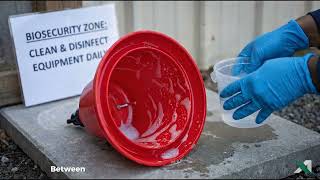
Regular cleaning and disinfecting of equipment, housing, and surrounding areas are vital. Make a schedule for cleaning and stick to it. Use appropriate disinfectants that are effective against poultry pathogens, and ensure that all surfaces are thoroughly cleaned before introducing new birds or after a flock has been removed.
4. Monitor Bird Health
Regularly monitor your flock for signs of illness. Early detection of symptoms can help in preventing the spread of disease. Keep a record of health checks and any issues that arise, as this will aid in tracking the health status of your flock over time.
5. Implement Biosecurity Zones
Establish biosecurity zones around your poultry farm. This includes creating a buffer zone from areas where wild birds may congregate, as they can carry diseases harmful to domestic poultry. Ensure that your poultry houses are secure and that feed and water supplies are protected from contamination.
6. Use Quality Veterinary Products and Supplements
Investing in quality veterinary products and supplements can greatly enhance your flock's overall health. Probiotics and natural animal health solutions can improve gut health and boost the immune system, making birds less susceptible to disease. Agrikima offers a range of supplements tailored for poultry that can support farm disease prevention efforts.
7. Vaccination
Vaccination is a crucial component of poultry biosecurity. Ensure that your birds are vaccinated according to the recommended schedule for the specific diseases prevalent in your area. Consult with a veterinarian to develop an effective vaccination program tailored to your flock's needs.
8. Educate Yourself and Your Staff
Continuous education on biosecurity practices is essential. Ensure that everyone involved in the poultry operation understands the importance of these practices and knows how to implement them effectively. Regular training can help reinforce these principles and ensure compliance.
Best Practices for Poultry Farm Hygiene
1. Personal Hygiene
Encourage all workers to practice good personal hygiene. This includes washing hands before and after handling birds, wearing clean clothes, and using footbaths or disposable shoe covers when entering poultry areas.
2. Feed and Water Management
Ensure that feed and water are kept in clean containers and protected from contamination. Regularly clean feeding and watering equipment to prevent the buildup of bacteria and other pathogens.
3. Waste Management
Proper waste management is crucial for preventing poultry disease. Regularly remove litter and waste from poultry houses and dispose of it in a manner that does not attract wild birds or rodents. Composting can be an effective method for managing waste while providing a nutrient-rich soil amendment.
4. Reporting Illness
Have a clear protocol for reporting any signs of illness in your flock. The sooner you identify a potential outbreak, the quicker you can take action to prevent further spread.
Conclusion
Implementing robust poultry biosecurity measures is essential for small poultry farms to prevent disease outbreaks and maintain a healthy flock. By following the outlined practices, farmers can enhance their farm hygiene and protect their investment. Remember to stay informed and proactive in your biosecurity efforts, as the health of your flock depends on it.
Your message to the team
Sources: Read More
- Biosecurity for Poultry — Center for Food Security and Public Health, Iowa State University
- Biosecurity Guide for Poultry and Bird Owners — United States Department of Agriculture (USDA)
- Biosecurity Practices for Small Poultry Flocks — Penn State Extension
- Biosecurity in Small-Scale Poultry Production — Food and Agriculture Organization of the United Nations (FAO)
- Biosecurity for Small Poultry Flocks — United States Department of Agriculture (USDA)
- Biosecurity for Small Poultry Flocks — United States Department of Agriculture (USDA)