Essential Biosecurity Measures for Poultry Farmers
Understanding Poultry Biosecurity
Poultry farming is an essential part of our agricultural landscape. However, disease outbreaks can severely impact chicken health and farm productivity. Implementing effective poultry biosecurity measures is crucial for disease prevention and maintaining chicken farm hygiene.
Why Biosecurity is Important
Biosecurity refers to the practices that prevent the introduction and spread of infectious diseases on your farm. By ensuring strong biosecurity, poultry farmers can:
- Protect their flocks from diseases.
- Enhance overall farm productivity.
- Reduce the need for antibiotics and veterinary interventions.
Key Biosecurity Measures for Poultry Farmers
1. Control Access to Your Farm
Limiting access to your chicken farm is one of the most effective ways to prevent disease introduction. Here are some tips:
- Establish a visitor log to track all individuals entering your premises.
- Implement a no-contact policy for non-essential visitors.
- Provide protective gear (boots, gloves) for anyone entering the farm.
2. Maintain Farm Hygiene
Chicken farm hygiene is critical in preventing disease. Here are practices to consider:
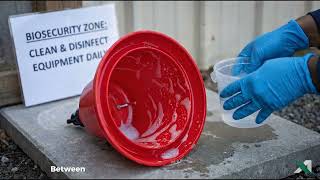
- Regularly clean and disinfect all equipment, tools, and vehicles used on the farm.
- Ensure proper waste disposal by using designated areas for manure and dead birds.
- Implement a cleaning schedule to maintain high hygiene standards.
3. Monitor and Manage Wildlife
Wild birds and rodents can carry diseases that affect poultry. Take these measures to control wildlife:
- Install fencing around your farm to keep out wildlife.
- Use traps or hire professionals to manage rodent populations.
- Minimize feed spills that may attract wild birds.
4. Vaccination and Health Management
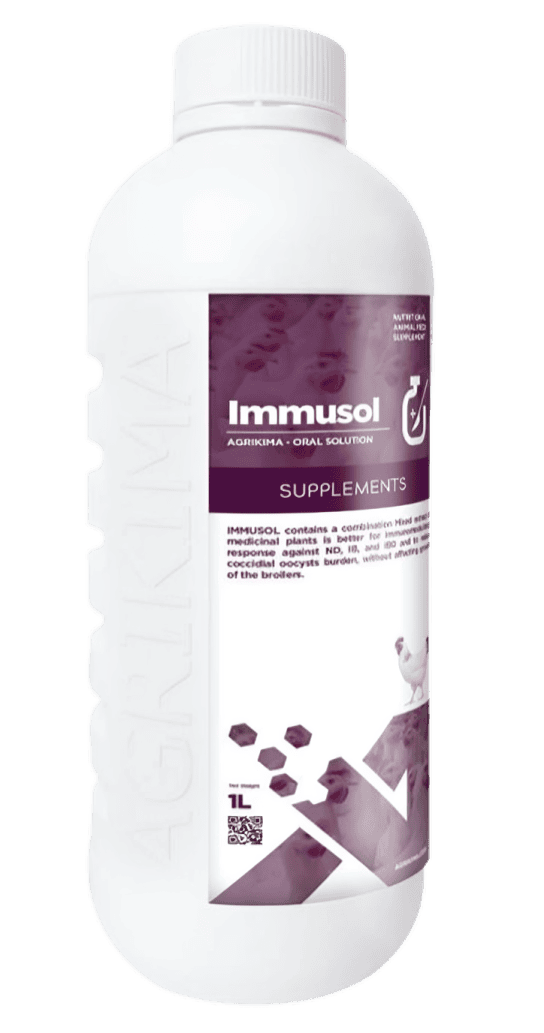
Vaccination is a crucial part of disease prevention. Work with a veterinarian to develop a vaccination schedule tailored to your flock's needs. Quality veterinary products, including vaccines and health supplements from Agrikima, can significantly enhance your flock's immunity.
5. Biosecurity During Chick Arrival
When introducing new chicks to your farm, follow these guidelines:
- Quarantine new arrivals for at least two weeks before integrating them with your existing flock.
- Ensure that the new chicks come from reputable sources with good health records.
- Monitor the health of new chicks closely during the quarantine period.
6. Regular Health Monitoring
Routine health checks can help detect any issues early. Here’s how to conduct effective monitoring:
- Observe your birds daily for signs of illness, such as coughing, lethargy, or unusual droppings.
- Maintain accurate records of flock health and any treatments administered.
- Implement biosecurity measures immediately if any disease symptoms are observed.
7. Educate Your Staff
All farm workers should be trained in biosecurity protocols to ensure compliance. Consider these steps:
- Conduct regular training sessions on biosecurity practices.
- Provide written guidelines and resources for staff reference.
- Encourage open communication about health observations and concerns.
Conclusion
Implementing robust poultry biosecurity measures is essential for every poultry farmer. By focusing on disease prevention, maintaining high standards of chicken farm hygiene, and utilizing quality veterinary products, farmers can safeguard their flocks and ensure a successful poultry operation.