Effective Boar Taint Management in Male Pigs
Understanding Boar Taint
Boar taint is an unwanted odor that can occur in the meat of entire male pigs, particularly during the slaughtering process. This phenomenon is primarily caused by two compounds: androstenone and skatole. Androstenone is a pheromone that is largely influenced by genetic factors and the pig's stage of puberty, while skatole levels can be affected by nutrition and environmental conditions. Managing these factors is crucial for farmers aiming to produce high-quality pork.
Causes of Boar Taint
Understanding the causes of boar taint is essential for effective management. Here are the main contributors:
- Genetic Factors: The genetic makeup of pigs significantly influences the levels of androstenone. Farmers should consider breeding practices that focus on reducing boar taint.
- Nutritional Influences: Skatole levels can be managed through dietary choices. Certain feed ingredients can help lower skatole production in the gastrointestinal tract.
- Environmental Conditions: Stressful environments can exacerbate the problem. Providing adequate living space and minimizing stressors are crucial.
Strategies for Boar Taint Management
Farmers can implement several strategies to effectively manage boar taint in entire male pigs:
1. Selective Breeding
Breeding strategies that focus on selecting boars with lower levels of androstenone can significantly reduce the incidence of boar taint. Research suggests that breeding for a higher percentage of lean meat may also help lower the chances of boar taint.
2. Dietary Adjustments
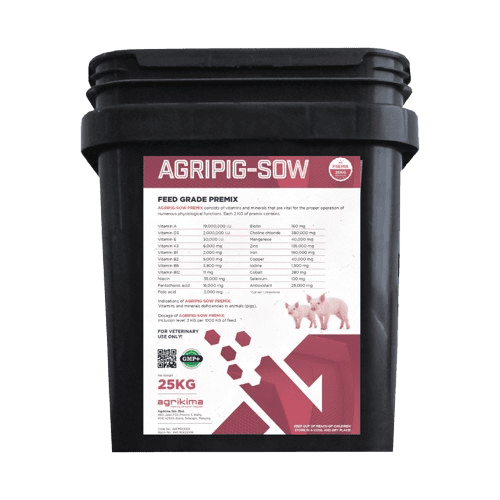
Adjusting the diet of entire male pigs can help lower skatole levels. Incorporating high-quality feed additives that enhance gut health and reduce skatole production is beneficial. Consider using supplements that are specifically designed for pig health, which can support a balanced diet and minimize the risk of boar taint.
3. Environmental Management
Creating a stress-free environment is essential for reducing boar taint. Ensure that pigs have adequate space, proper ventilation, and low stocking densities. Implementing practices that promote animal welfare can lead to better overall health and reduced stress-related taint issues.
4. Immunocastration
Immunocastration is a method that has proven effective in eliminating boar taint in male pigs at all live weights. This technique involves administering a vaccine that reduces testosterone levels, thus minimizing the production of androstenone. Farmers should consider this option as a viable alternative to traditional castration, especially for those who want to maintain the benefits of raising entire male pigs.
5. Management Practices
Effective management practices can also play a crucial role in reducing boar taint. The following recommendations can guide farmers:
- Maintain optimal pen hygiene to prevent stress and disease.
- Implement a longer fasting period before slaughter, which can help reduce the levels of boar taint compounds.
- Keep groups of pigs smaller to reduce competition and stress.
Monitoring and Evaluation
Regular monitoring of meat quality and conducting evaluations before and after slaughter are essential to gauge the effectiveness of your boar taint management strategies. Feedback from meat processors can provide valuable insights into how well your practices are working, allowing you to make necessary adjustments.
Conclusion
Managing boar taint in entire male pigs is a multifaceted approach that encompasses genetic selection, nutrition, environmental management, and smart veterinary practices like immunocastration. By implementing these strategies, farmers can enhance meat quality, improve profitability, and maintain the health of their pig populations. Remember, quality veterinary products and supplements are available to assist you in achieving these goals effectively.
Your message to the team
Sources: Read More
- Biochemical, nutritional and genetic effects on boar taint in entire male pigs — PubMed
- Boar taint, meat quality and fail rate in entire male pigs and male pigs immunized against gonadotrophin releasing factor as related to body weight and feeding regime — ScienceDirect
- On-farm prevalence of and potential risk factors for boar taint — ScienceDirect
- Farm and management characteristics associated with boar taint — ScienceDirect
- Evaluation of producing and marketing entire male pigs — ScienceDirect