Boost Dairy Goat Feeding for Higher Milk Production
Introduction to Dairy Goat Feeding
Feeding dairy goats properly is essential for maximizing milk production. With the increasing demand for goat milk products, farmers are looking for effective ways to enhance dairy goat nutrition and improve goat milk production. This article will provide practical tips and strategies for feeding dairy goats that can lead to higher milk yields.
Understanding Dairy Goat Nutrition
To achieve optimal milk production, it is important to understand the nutritional needs of dairy goats. Their diet should be balanced and include:
- Forages: Quality hay and pasture are essential.
- Concentrates: Grains and protein sources to meet energy demands.
- Vitamins and Minerals: Essential for overall health and milk quality.
Forage Quality and Quantity
High-quality forage should make up a significant portion of your dairy goats’ diet. Fresh-cut pasture can significantly impact goat milk production. Studies indicate that increasing fresh forage intake can lead to better milk yields.
Supplementing with Concentrates
In addition to forages, concentrates can provide the energy and protein necessary for lactating goats. Rumen-protected methionine is one such supplement that has shown to improve milk production when given in adequate amounts. Consider including a mix of grains, protein meals, and commercial dairy goat feeds that are designed for high production.
Feeding Strategies for Higher Milk Production
Implementing effective feeding strategies is key to increasing milk yields. Here are some actionable tips:
1. Optimize Feed Formulation
Carefully formulate the feed mixture to ensure that it contains the right balance of crude protein and energy. A study found that determining the optimum crude protein content is crucial for intensive milk production.
2. Use Mixed Rations
Consider using mixed rations instead of separate concentrate and forage feeding. Mixed rations have been shown to improve feed intake and consequently increase milk production.
3. Supplement with Natural Feed Additives
Natural feed additives can enhance feed digestibility and milk response. For example, fenugreek has been reported to positively influence lactation performance in dairy goats.
4. Introduce Citrulline Supplementation
Dietary citrulline supplementation has been shown to enhance milk production and composition in lactating dairy goats. Incorporating this supplement into the diet can provide added benefits to milk yields.
5. Monitor Body Condition
Regularly check the body condition of your dairy goats to ensure they are neither over nor underweight. Maintaining an optimal body condition is vital for sustaining milk production.
Practical Feeding Tips
Implementing the right feeding practices can further enhance milk production:
- Feed Consistency: Ensure that feeding times are consistent to help goats adapt and maximize feed intake.
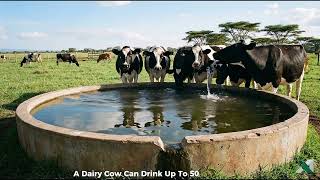
- Fresh Water Access: Always provide clean, fresh water as it is crucial for milk production.
- Frequent Feeding: Consider feeding smaller amounts more frequently throughout the day to maintain energy levels.
- Regular Health Checks: Ensure that your goats are healthy and free of diseases that could affect their milk production.
Conclusion
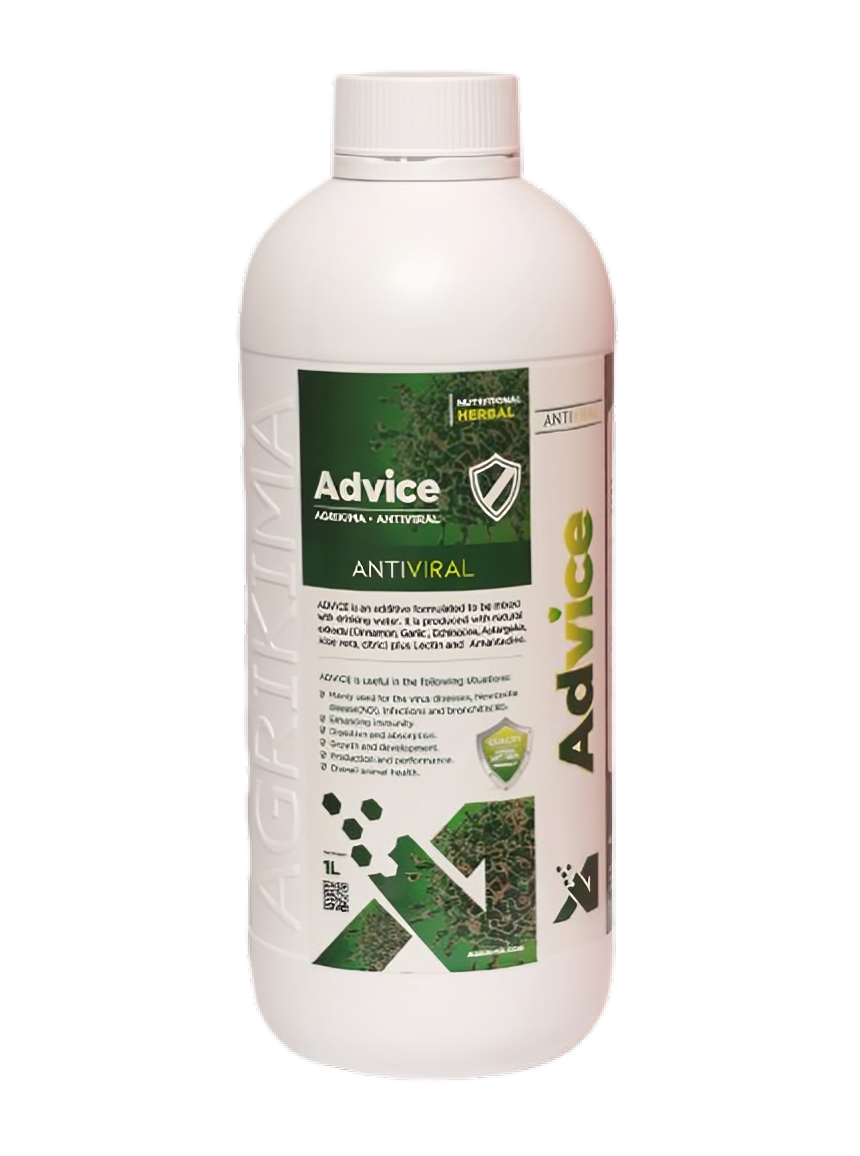
Investing time and resources into proper dairy goat feeding can yield significant benefits in terms of milk production. By understanding their nutritional needs, optimizing feed formulations, and incorporating effective feeding strategies, farmers can increase goat milk yields. Remember to consider quality veterinary products and supplements that can enhance your feeding regimen for better results.
Your message to the team
Sources: Read More
- Effect of increased fresh-cut pasture intake on dairy goat milk production: Case study — Food and Agriculture Organization (FAO)
- Dietary citrulline supplementation enhances milk production in lactating dairy goats — Food and Agriculture Organization (FAO)
- The effect of a natural feed additive, fenugreek, on feed digestibility and milk response in dairy goats — Food and Agriculture Organization (FAO)
- Break-even analysis of crude protein content in dairy goat feed mixture — Food and Agriculture Organization (FAO)
- Effects of rumen-protected methionine on milk production of dairy goats — Food and Agriculture Organization (FAO)
- Effect of low-forage rations on milk production of dairy goats: Separate concentrate-forage versus mixed rations — Food and Agriculture Organization (FAO)