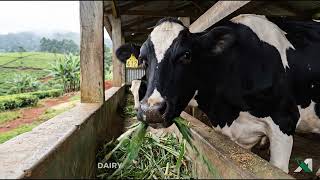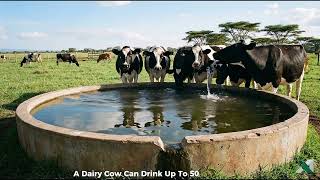
Boost Milk Yield: Affordable Dairy Ration Balancing
Understanding Dairy Ration Balancing
Dairy ration balancing is the process of formulating feed to meet the nutritional needs of dairy cows without overspending. Properly balanced rations can significantly increase milk yield while ensuring the health of your herd. This article will guide you on how to achieve this within a budget.
The Importance of Balanced Feeding
Balanced feeding strategies are crucial for maximizing productivity in dairy farming. Implementing these strategies can increase daily milk yield by 0.2 to 1.0 kg and improve milk fat content by 0.2 to 0.6 percent units, all while reducing feeding costs per kilogram of milk produced.
Key Components of A Balanced Dairy Ration
- Forages: High-quality forages such as alfalfa and clover should form the base of your dairy ration.
- Concentrates: Grains like corn and barley provide essential energy.
- Protein Sources: Soybean meal and canola meal are excellent sources of protein.
- Vitamins and Minerals: Essential for cow health, these should be included in proper amounts.
Formulating Rations on a Budget
To create affordable dairy feeding solutions, start with a thorough analysis of available feed ingredients. Here are practical steps to formulate budget-friendly dairy rations:
1. Assess Nutrient Needs
Understanding the nutrient requirements of your cows is the first step in effective cattle feed formulation. Regularly assess the dietary needs based on production levels and cow size, as recommended by the National Research Council.
2. Use Local Ingredients
Incorporating locally available feeds can reduce costs significantly. Ingredients such as crop residues or by-products from food processing can be excellent alternatives to expensive commercial feeds. The Food and Agriculture Organization emphasizes the importance of balanced feeding for improving livestock productivity.
3. Utilize Software Tools
Consider using tools like OPTIMILK, which helps farmers formulate the least-cost dairy rations using linear programming. This ensures that you meet the nutritional requirements while keeping costs low.
4. Monitor Forage Quality
Regular testing of forage quality can help in accurately formulating diets. Variations in forage composition can significantly affect nutrient content and overall diet formulation.
5. Adjust Rations Seasonally
Seasonal changes can affect feed availability and nutrient content. Regularly updating your rations can help in avoiding both overfeeding and underfeeding, which can lead to fluctuations in milk production.
Enhancing Milk Production Through Supplementation
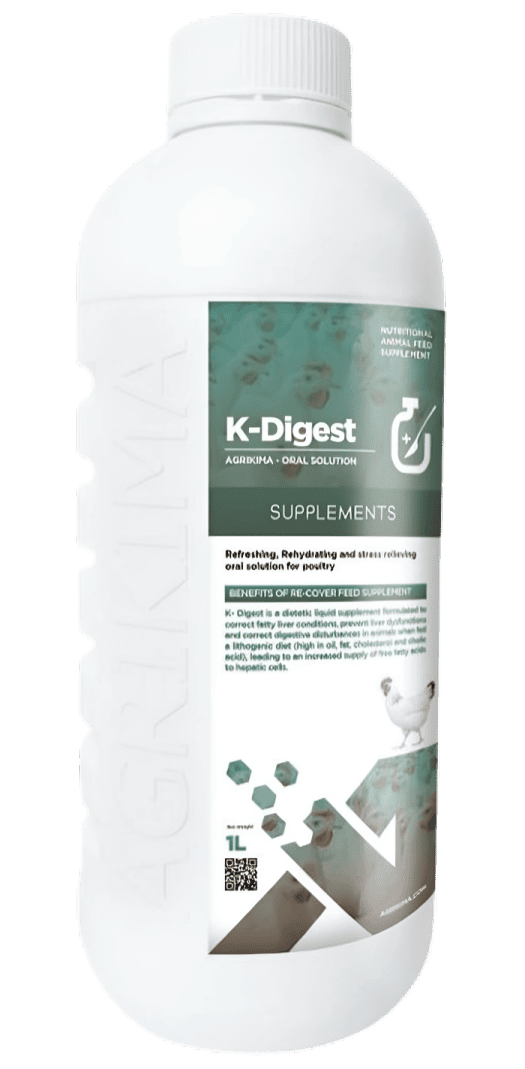
Using quality veterinary products and supplements can enhance the effectiveness of your balanced rations. Here are some options to consider:
- Probiotics: These can improve gut health and nutrient absorption, leading to better milk production.
- Mineral Supplements: Essential minerals, such as calcium, phosphorus, and magnesium, are crucial for lactating cows.
- Energy Supplements: Including fat supplements can help meet energy needs without increasing grain intake.
Practical Tips for Dairy Farmers
Here are some actionable tips to help you effectively balance dairy rations on a budget:
- Conduct regular body condition scoring to ensure cows are receiving adequate nutrition.
- Establish a feeding schedule that allows cows to consume their rations efficiently.
- Invest in storage solutions to maintain the quality of your feed ingredients.
- Work with a nutritionist to develop a customized feeding plan tailored to your herd's specific needs.
Conclusion
Balancing dairy rations effectively requires a strategic approach to feed formulation. By utilizing local ingredients, employing modern tools, and considering supplementation, you can enhance milk yield while managing costs. Emphasizing quality feeding practices not only benefits your cows but also contributes to the overall success of your dairy operation.
Your message to the team
Sources: Read More
- Balanced feeding for improving livestock productivity — Food and Agriculture Organization of the United Nations
- Setting Nutrient Specifications for Formulating Diets for Groups of Lactating Dairy Cows — DAIReXNET
- OPTIMILK: A Web-Based Tool for Least-Cost Dairy Ration Optimization Using Linear Programming — Agriculture
- Feed and Animal Management for Dairy Cattle — Natural Resources Conservation Service, USDA
- Proper Use of Forage Composition Data for Formulating Diets for Dairy Cows — DAIReXNET