Boosting Butterfat Content in Dairy Cows' Milk
Understanding Milk Butterfat Content
Milk butterfat content is a crucial factor for dairy farmers, influencing the quality and profitability of dairy products. Higher butterfat levels are often preferred for cheese and butter production, making it essential for farmers to adopt effective feeding strategies.
Why Focus on Dairy Cow Feeding?
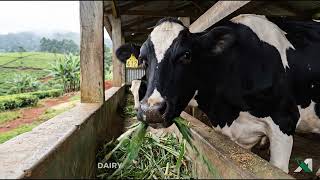
Dairy cow feeding plays a significant role in determining milk fat content. By optimizing the diet of lactating cows, farmers can enhance both the quantity and quality of milk produced.
Key Nutrients for Higher Butterfat Content
- Fats: Including dietary fats, particularly saturated fatty acids, can significantly impact milk fat production. Studies indicate that diets rich in saturated fats lead to increased milk fat production and a higher proportion of fat in the milk, while reducing the synthesis of de novo fatty acids in milk.
- Energy: Providing sufficient energy is vital to support milk production. Variations in energy supply can influence both milk output and fat content, with underfeeding leading to reduced milk quality.
- Calcium Salts: Incorporating calcium salts of long-chain fatty acids (Ca-LCFA) into the diet has been shown to boost milk production and significantly increase milk butterfat content.
Feeding Strategies to Increase Milk Butterfat
Implementing the following feeding strategies can help boost milk butterfat content in dairy cows:
1. Include High-Quality Fats
Adding encapsulated animal fats or calcium salts to your dairy cows' diet can increase milk yield by about 1 kg/day while also enhancing butterfat content significantly. Consider using specialized dairy nutrition products that contain these ingredients to ensure optimal results.
2. Optimize Energy Intake
Ensure that your cows receive adequate energy through their feed. This can be achieved by balancing their ration with energy-dense feed ingredients. Whole cottonseed, for example, has been shown to positively affect milk and milk component yield.
3. Monitor Dietary Fatty Acid Profiles
Focus on diets that are rich in saturated fatty acids. This dietary adjustment can help increase overall milk fat production, which is beneficial for dairy farmers aiming for higher butterfat content.
4. Utilize Abomasal Infusion Techniques
Research has demonstrated that the abomasal infusion of butterfat can elevate milk fat percentage by approximately 14%, resulting in substantial increases in milk fat yield. While this method may require specialized equipment, it can be a game-changer for high-producing herds.
5. Supplement with Quality Products
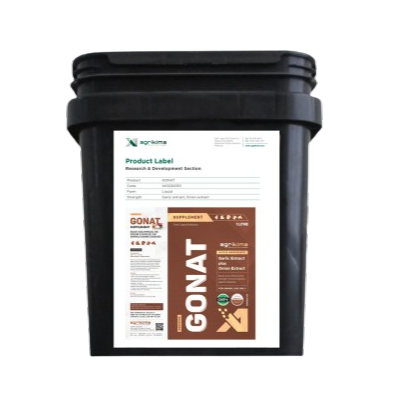
Incorporating high-quality veterinary and nutritional supplements can greatly enhance the overall health and milk production capacity of your herd. Agrikima offers a range of natural animal health solutions and supplements that can be tailored to meet the nutritional needs of your dairy cows.
Practical Tips for Dairy Nutrition Management
- Regularly test your feed: Conduct feed quality tests to ensure your dairy cows are receiving the right nutrients.
- Adjust rations based on lactation stage: Cows in different stages of lactation have varying nutritional requirements. Tailor their diets accordingly to maintain optimal milk production.
- Consult with a nutritionist: Work with a dairy nutritionist to develop a customized feeding plan that takes into account the specific needs of your herd.
- Monitor body condition scores: Keep an eye on your cows' body condition to ensure they are not over- or under-fed, as this can affect milk quality and production.
Conclusion
Feeding dairy cows for higher butterfat content is an achievable goal with the right strategies in place. By focusing on high-quality fats, optimizing energy intake, and utilizing effective feeding practices, farmers can significantly enhance their milk's butterfat content. Don't forget to explore quality veterinary products and nutritional supplements from Agrikima to support your dairy farming efforts.
Your message to the team
Sources: Read More
- Feeding dairy cows in the tropics — Food and Agriculture Organization (FAO)
- Protected (encapsulated or calcium salts) lipids in dairy cow diets. Effects on production and milk composition — Food and Agriculture Organization (FAO)
- Abomasal Infusion of Butterfat Increases Milk Fat in Lactating Dairy Cows — Food and Agriculture Organization (FAO)
- Effect of feeding increasing levels of whole cottonseed on milk and milk components, milk fatty acid profile, and total-tract digestibility in lactating dairy cows — Food and Agriculture Organization (FAO)
- Associations between Dietary Fatty Acid Profile and Milk Fat Production and Fatty Acid Composition in Dairy Cows: A Meta-Analysis — Food and Agriculture Organization (FAO)
- Variations in milk output and milk fat and protein content in response to the level of energy supply to the dairy cow: a review — Food and Agriculture Organization (FAO)