Boosting Daily Milk Yield Records: Key Strategies

Understanding Daily Milk Yield Records
For dairy farmers, maintaining accurate daily milk yield records is crucial. These records not only help monitor individual cow performance but also serve as a foundation for making informed management decisions that can enhance overall herd productivity [1].
The Importance of Accurate Dairy Production Records
Keeping detailed dairy production records allows farmers to identify trends, detect health issues early, and implement strategies aimed at boosting milk production efficiency [3]. By systematically recording milk yield, farmers can track the performance of each cow and identify those that may need additional support or management adjustments.
Why Tracking Milk Yield is Essential
- Performance Monitoring: Daily records provide insight into how each cow is performing, which helps in decision-making regarding feeding, breeding, and health management.
- Identifying Trends: Long-term recording enables farmers to spot patterns that could indicate health issues or changes in feeding efficiency.
- Genetic Selection: Data from milk recording contributes to better genetic selection strategies, ensuring that only the best-performing animals contribute to the herd [2].
Implementing Effective Milk Tracking Systems
To successfully implement a system for tracking dairy farm milk production, consider the following steps:
1. Establish a Record-Keeping System
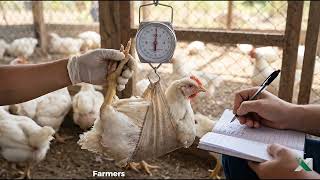
Choose between manual logs or digital software. Digital systems often provide real-time updates and are easier to analyze. Ensure that the system captures essential data points such as:
- Daily milk yield per cow
- Feeding regimens
- Health status and veterinary treatments
- Breeding dates and calving intervals
2. Regular Monitoring and Data Entry
Consistency is key. Record data daily to maintain accuracy. This allows for timely interventions when issues arise and helps in making informed decisions that can lead to improvements in milk yield per cow [4].
3. Analyze the Data
Periodically review the records to identify trends and anomalies. Look for:
- Significant drops in milk production
- Cows that consistently outperform or underperform
- Correlations between feeding practices and milk yield
Strategies for Improving Milk Yield
Once you have established a solid record-keeping foundation, focus on improving milk yield through various strategies:
1. Optimize Feeding Regimens
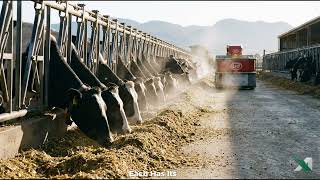
Nutrition plays a pivotal role in milk production. Ensure that your cows receive a balanced diet tailored to their needs. Consider:
- High-quality forage supplemented with grains and protein sources
- Mineral and vitamin supplementation to address deficiencies
- Supplements that can enhance rumen efficiency and milk output
Quality veterinary products and natural supplements available through Agrikima can greatly assist in optimizing your feeding strategies.
2. Enhance Cow Comfort
Cow comfort directly impacts milk production. Ensure that your cows have:
- Comfortable bedding and proper space to lie down
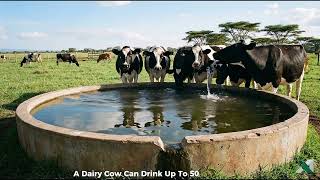
- Access to clean water at all times
- Good ventilation to reduce heat stress
3. Implement a Health Management Program
Regular health checks are essential for maintaining a productive dairy herd. Focus on:
- Vaccination schedules to prevent diseases
- Regular hoof trimming and health evaluations
- Monitoring for common ailments that can affect milk yield, such as mastitis [1].
4. Use Technology to Your Advantage
Consider investing in automated milking systems or milk sensors that can provide real-time data on milk yield and cow health. These technologies can aid in better management decisions and enhance overall productivity.
Conclusion
Recording and improving daily milk yield per cow is vital for the success of any dairy operation. By establishing a robust record-keeping system, regularly monitoring performance, and implementing targeted strategies for improvement, you can significantly enhance your dairy farm's productivity. Remember, the right veterinary products and nutritional supplements can support these efforts, helping you achieve optimal results.
Sources
- Dairy Production and Management — Penn State Extension
- Milk Recording and Herd Improvement — Food and Agriculture Organization of the United Nations
- Dairy Herd Improvement: Record Keeping — Michigan State University Extension
- Improving Dairy Cow Productivity — Farmer's Weekly
- Dairy Farm Record Keeping Systems — Department of Agriculture, Food and the Marine, Ireland