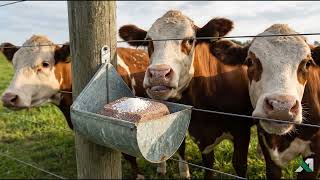
Boosting Heifer Calves with Sexed Semen in Dairy Farming

Introduction
In the world of dairy farming, the pursuit of optimal herd genetics and efficient production is paramount. One effective strategy that has emerged is the use of sexed semen dairy. This innovative technology allows farmers to significantly increase the likelihood of producing heifer calves, which are essential for herd expansion and sustainability. In this blog post, we will explore the benefits, challenges, and economic considerations of using sexed semen to get more heifer calves.
Understanding Sexed Semen
Sexed semen refers to sperm that has been sorted to increase the chances of producing female offspring. This is particularly beneficial for dairy farmers looking to improve their herd's genetics and efficiency. Studies indicate that using sexed semen can elevate the probability of producing heifer calves to over 90%. This high success rate plays a critical role in not only expanding the herd but also enhancing milk production capabilities.
Benefits of Using Sexed Semen
- Increased Heifer Calves: As mentioned, sexed semen can yield a higher proportion of female calves, supporting more effective herd replacement strategies.
- Genetic Improvement: By selecting for female offspring, dairy producers can enhance their herd genetics, leading to improved milk production efficiency.
- Better Management of Resources: Producing more heifer calves allows for a more controlled breeding program, reducing the need for buying external heifers.
Economic Considerations
While the advantages of using sexed semen are compelling, it’s important to evaluate the sexed semen cost benefit. Although sexed semen increases the number of heifer calves, it often comes at a higher financial cost compared to conventional semen. Additionally, conception rates for sexed semen can be lower than traditional semen, which is an essential factor to consider.
Evaluating Cost vs. Benefit
Farmers should conduct a thorough cost-benefit analysis before implementing sexed semen in their breeding programs. Key factors to consider include:
- Cost of sexed semen vs. conventional semen
- Expected increase in heifer calf production
- Overall herd performance and milk production improvements
- Long-term benefits of genetic improvement
Practical Tips for Implementing Sexed Semen
For farmers considering the use of sexed semen, here are some practical tips to maximize the benefits:
1. Timing is Crucial
Understanding the optimal timing for insemination is vital. Use heat detection methods effectively to ensure that insemination occurs at the right time for higher success rates.
2. Maintain Cow Health
Ensure that your dairy cows are in optimal health prior to insemination. Good nutrition, proper veterinary care, and a stress-free environment contribute significantly to conception rates.
3. Work with Experts
Collaborate with reproductive specialists and veterinarians who can guide you through the process and provide insights into best practices for using sexed semen.
4. Monitor Results
Keep detailed records of insemination attempts and the resulting offspring. This data will help you assess the effectiveness of using sexed semen in your operation and make necessary adjustments.
Enhancing Heifer Calf Selection
Once you begin to see an increase in heifer calves, the next step is to focus on heifer calf selection. Implementing a robust selection process will ensure that the best genetics are retained in your herd. Here are some criteria to consider:
- Growth rates and overall health
- Genetic background and lineage
- Potential for milk production
Conclusion
Using sexed semen is a powerful tool for dairy farmers aiming to increase their heifer calf production. The benefits range from improved herd genetics to better management of resources. However, it is essential to weigh the costs and challenges associated with this technology. By considering practical implementation tips and focusing on heifer calf selection, farmers can maximize the advantages of sexed semen and enhance their dairy operations. Remember, incorporating quality veterinary products and supplements can also bolster the health and productivity of your herd, ensuring a successful and sustainable farming future.
Your message to the team
Sources: Read More
- Sexed Semen in Dairy Cattle: Benefits and Considerations — Penn State Extension
- Sexed Semen: A Reproductive Management Tool for Dairy Producers — Michigan State University Extension
- Use of Sexed Semen in Dairy Herds — Food and Agriculture Organization of the United Nations
- Economic Considerations of Using Sexed Semen in Dairy Cattle — Iowa State University Extension and Outreach
- Sexed Semen: Opportunities and Challenges — Progressive Dairy