Understanding Broiler Growth Charts for Better Management
Introduction to Broiler Growth Charts
Broiler growth charts are essential tools for poultry farmers looking to optimize their flock's performance. These charts help monitor broiler weekly weight and identify any issues early in the growth process. Understanding how to read these charts can lead to better decision-making and ultimately increased profitability.
Components of a Broiler Growth Chart
A broiler growth chart typically contains several key components:
- Age of Broilers: This is usually represented on the x-axis, showing the number of weeks since the chicks were placed in the broiler house.
- Weight of Broilers: Shown on the y-axis, this indicates the average weight of the broilers at each week.
- Target Weight Lines: These horizontal lines represent the expected weight gain at each week.
- Performance Indicators: These may include feed conversion rates, mortality rates, and overall health status.
How to Read a Broiler Growth Chart
Reading a broiler growth chart involves analyzing the plotted data points against the expected growth lines.
Step 1: Identify the Current Age
Locate the current age of your broilers on the x-axis. This will help you understand what their average weight should be at this stage.
Step 2: Assess the Average Weight
Find the corresponding weight on the y-axis. Compare this to the target weight line. If your broilers are below the target weight, it may indicate nutritional deficiencies or health issues.
Step 3: Monitor Trends Over Time
Look for trends in weight gain. Consistent weight gain is crucial for broiler performance. If the weight gain starts to plateau or declines, immediate action is required.
Step 4: Calculate Feed Conversion Ratio (FCR)
The feed conversion ratio is a critical metric for broiler farming. It is calculated by dividing the total feed consumed by the weight gained. A high FCR indicates that the broilers are not efficiently converting feed into body weight, which can be a sign of poor nutrition or health issues.
Spotting Problems Early
Identifying problems early can save time and resources. Here are some common issues to look for:
- Slow Growth Rates: If your broilers are not reaching their target weights, investigate their diet and health status.
- High Mortality Rates: Monitor the mortality rate shown on your chart. A sudden spike might indicate disease or environmental stress.
- Poor Feed Conversion: If FCR is high, it may be necessary to review feed quality or consider incorporating supplements to improve nutrient absorption.
Practical Tips for Optimizing Broiler Growth
To ensure your broilers reach their optimal growth, consider the following tips:
- Quality Feed: Invest in high-quality feed that meets the nutritional needs of your broilers at different growth stages.
- Regular Health Checks: Conduct routine health checks to spot any diseases early and treat them promptly with quality veterinary products.
- Environment Control: Maintain optimal temperature and ventilation in the broiler house to reduce stress on the birds.
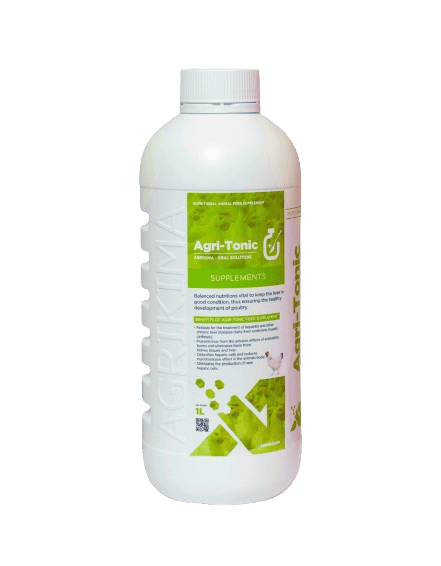
- Use of Supplements: Consider using natural animal health solutions and supplements that support growth and immunity.
Conclusion
Understanding how to read a broiler growth chart is crucial for effective broiler management. By closely monitoring broiler weekly weight and other performance indicators, you can identify potential issues before they escalate. Utilizing quality veterinary products and supplements can further enhance your flock's health and productivity, leading to successful broiler farming.