Brooding Chicks: Temperature and Lighting Guide

Understanding Chick Brooding
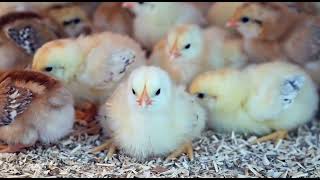
Brooding is a critical phase in raising day-old chicks, as it sets the foundation for their growth and health. Proper management during the first three weeks is essential, particularly regarding temperature and lighting. This chick brooding guide will help you create an optimal environment for your chicks.
Temperature Management for Chicks
Maintaining the correct brooding temperature is vital for chick survival and development. Here’s how to manage the temperature effectively:
Week 1: Initial Temperature Setting
During the first week, it is crucial to set the brooder temperature at 95°F (35°C). This warmth mimics the natural heat they would receive from their mother hen. Use infrared heat lamps or gas brooders to provide consistent heat. Ensure that the heat source is positioned safely to prevent any fire hazards while allowing chicks to move closer or farther away to regulate their body temperature effectively.
Weeks 2 and 3: Gradual Temperature Reduction
As the chicks grow, gradually reduce the temperature by 5°F (about 3°C) each week. By the end of week three, aim for a temperature of around 85°F (29°C). This gradual decrease helps the chicks acclimatize to the ambient temperature and encourages proper feather development.
Monitoring Chick Behavior
Keep a close eye on chick behavior to assess their comfort levels. If they huddle together, they may be too cold, indicating the need to raise the temperature. Conversely, if they spread out and pant, they are likely too hot, and you should lower the temperature.
Lighting for Chick Health
Lighting plays a crucial role in poultry brooding management. The right lighting encourages feeding, drinking, and overall activity levels among chicks.
Week 1: Continuous Lighting
In the first week, provide 24-hour lighting. This helps chicks find food and water easily and encourages regular feeding. Continuous light promotes better growth and reduces stress during this critical period.
Weeks 2 and 3: Reducing Lighting Hours
By the second week, gradually reduce the lighting to around 20 hours per day. By the end of week three, aim for a 16-hour light cycle. This gradual reduction allows for a natural transition, helping chicks adapt without causing stress.
Creating an Optimal Brooding Environment
Aside from temperature and lighting, other environmental factors are equally important for chick health. Here are some tips to create a nurturing environment:
- Draft-Free Area: Ensure the brooder area is draft-free to maintain a stable temperature and prevent chilling.
- Adequate Ventilation: Proper ventilation is essential for air quality. Ensure that the brooder is well-ventilated to prevent ammonia buildup from droppings, which can harm the chicks.
- Clean Bedding: Use clean, dry bedding material to absorb moisture and provide comfort. Regularly change the bedding to maintain hygiene.
- Water and Feed Accessibility: Ensure that water and feed are easily accessible. Use shallow feeders and waterers to prevent drowning and encourage feeding.
Utilizing Quality Products
In addition to proper temperature and lighting management, consider integrating quality veterinary products and supplements into your brooding routine. These can help boost the immune systems of your chicks and promote healthier growth, leading to better overall performance.
Conclusion
Successful brooding of chicks requires attention to detail, especially regarding temperature and lighting during the first three weeks. By following this chick brooding guide, you can ensure that your chicks develop into healthy and productive birds. Remember, a well-managed brooding period sets the stage for a successful poultry farming venture.
Your message to the team
Sources: Read More
- Brooding and Rearing Chicks — Penn State Extension
- Management of Chicks — Food and Agriculture Organization of the United Nations
- Brooding Chicks — Iowa State University Extension and Outreach
- Poultry Brooding and Rearing — Australian Government Department of Agriculture, Fisheries and Forestry
- Raising Chicks: A Guide for Small Flock Owners — University of Minnesota Extension