Brooding Day-Old Chicks: Essential Tips for Success

Understanding the Importance of Brooding Day-Old Chicks
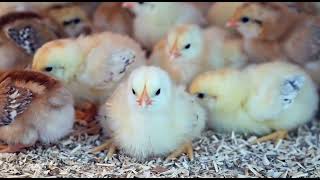
Brooding day-old chicks is a crucial phase in poultry farming. This period sets the foundation for their growth and overall health. Proper management during the first two weeks can significantly impact their future productivity.
Chick Brooder Temperature
The chick brooder temperature plays a vital role in the health of your chicks. Newly hatched chicks are unable to regulate their body temperature, making it essential to provide a warm environment.
Optimal Temperature Settings
- For the first week, maintain a temperature of around 32-35°C (90-95°F).
- Decrease the temperature by 2-3°C each week until it reaches around 21°C (70°F) by the fourth week.
Use a reliable thermometer to monitor the temperature accurately. Adjust the heat source as needed to avoid overheating or chilling the chicks.
Signs of Temperature Issues
Watch for signs that indicate if the temperature is not ideal:
- Chicks huddling together can signify they are cold.
- If they are spread out and panting, they may be too hot.
Chick Bedding Management
Choosing the right bedding material is essential for chick bedding management. It should provide comfort, absorb moisture, and reduce stress on the chicks.
Recommended Bedding Materials
- Wood shavings: Widely used for their absorbency and comfort.
- Straw: Provides insulation but should be kept dry to avoid mold.
- Paper towels: Useful for the first few days to help chicks find their feed and water.
Ensure the bedding is at least 5-10 cm (2-4 inches) thick to provide adequate insulation. Regularly check for dampness and replace bedding as necessary to maintain a clean environment.
First 14 Days of Care
The first 14 days are critical for the growth and survival of day-old chicks. Here are some vital care tips:
1. Nutrition and Feeding
Provide a high-quality starter feed rich in protein (around 20-24%) to support their rapid growth. Ensure they have constant access to clean water. Consider adding quality veterinary products and supplements to enhance their health and growth.
2. Space Requirements
Chicks need adequate space to move around. Ideally, allow at least 0.1 square meters (1 square foot) per chick during the brooding phase. This prevents overcrowding and reduces stress.
3. Lighting
Provide continuous light for the first few days to help chicks find food and water. After that, gradually transition to a 12-16 hours of light cycle, which mimics natural conditions.
4. Health Monitoring
Regularly check the chicks for signs of illness. Early detection of health issues can prevent significant losses. Common signs to watch for include:
- Weakness or lethargy.
- Abnormal droppings.
- Loss of appetite.
5. Ventilation
Ensure the brooding area is well-ventilated to prevent the buildup of harmful gases. Proper airflow helps maintain a stable environment for the chicks.
Conclusion
Brooding day-old chicks requires careful attention to temperature, bedding, and management practices during the first 14 days. By following these guidelines, you can set your chicks on a path to successful growth and development. Remember, investing in quality veterinary products and supplements can further enhance their health during this critical period.