Avoiding Chick Brooding Mistakes in the First Week

Understanding Chick Brooding Mistakes in the First Week
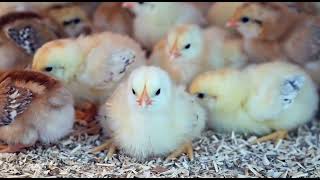
The first week is critical for the survival and growth of day-old chicks. Unfortunately, many farmers make common brooding mistakes that can lead to increased mortality rates. In this article, we will explore the most prevalent chick brooding mistakes in the first week and provide practical tips to help you raise healthy chicks.
1. Incorrect Brooder Temperature
One of the most significant factors affecting chick survival is brooder temperature. Newborn chicks are not capable of regulating their body temperature effectively, making it essential to maintain the proper warmth in the brooder.
- Set the brooder temperature at 90-95°F (32-35°C) for the first week.
- Gradually decrease the temperature by 5°F (2-3°C) each week until it reaches 70°F (21°C).
- Use a thermometer to monitor the temperature accurately.
- Be observant; if chicks are huddled together, they are too cold; if they are panting and moving away from the heat source, they are too hot.
2. Poor Ventilation
Good ventilation is crucial for maintaining air quality in the brooder. Poor air quality can lead to respiratory issues and increased stress among the chicks. Here are some tips for ensuring proper ventilation:
- Ensure there is adequate airflow without creating drafts.
- Use vents or windows to allow fresh air to circulate.
- Monitor humidity levels; ideally, they should be between 40-60%.
3. Inadequate Nutrition
Feeding your chicks the right nutrition is essential for their growth and development. Many farmers overlook the importance of quality chick feed. Here are some recommendations:
- Provide a high-quality starter feed designed specifically for chicks, rich in protein and essential nutrients.
- Ensure that feed is fresh and free from contamination.
- Provide clean water at all times; dehydration can lead to high mortality rates.
4. Ignoring Biosecurity Measures
Biosecurity is vital in preventing disease outbreaks that can devastate a flock of chicks. Follow these biosecurity tips:
- Limit access to the brooding area to essential personnel only.
- Disinfect equipment and footwear before entering the brooder.
- Isolate any sick chicks immediately to prevent the spread of disease.
5. Overcrowding
Overcrowding in the brooder can lead to stress, increased aggression, and higher mortality rates. To prevent overcrowding:
- Provide enough space for each chick; aim for at least 0.5 square feet per chick in the brooder.
- Separate chicks based on size if they are growing at different rates.
- Regularly monitor the group and make adjustments as necessary.
6. Lack of Comfort and Security
Chicks need a safe and comfortable environment to thrive. Here’s how to provide that:
- Use soft bedding to reduce stress on their feet and legs.
- Provide hiding spots or barriers to help chicks feel secure.
- Avoid loud noises and sudden movements around the brooder.
7. Neglecting Health Monitoring
Regular health checks can help identify problems before they escalate. Here’s what to look for:
- Observe for signs of illness, such as lethargy, abnormal droppings, or lack of appetite.
- Keep a record of any health issues and treatments administered.
- Consider using natural animal health solutions and supplements to enhance immunity and reduce stress.
Conclusion
By avoiding these common brooding mistakes, you can significantly reduce day-old chick mortality in the first week. Paying attention to brooder temperature, ventilation, nutrition, biosecurity, and overall comfort will set the foundation for a healthy flock. Remember, investing in quality veterinary products and supplements can make a difference in your chicks' health and growth. With the right practices, you can ensure a successful start for your new chicks.