Harnessing the Buck Effect for Goat Breeding Success
The Buck Effect: An Overview
The buck effect is a natural reproductive strategy used by goat farmers to synchronize the heat cycles of does. By introducing a male goat (buck) into a group of does, farmers can stimulate and synchronize their reproductive cycles, allowing multiple does to come into heat around the same time. This technique is particularly beneficial for farmers seeking to maximize breeding efficiency and productivity.
Understanding Goat Oestrus Synchronisation
In goats, oestrus synchronisation refers to the management practice of ensuring that multiple does enter their reproductive cycle at the same time. This is crucial for optimizing breeding schedules and improving overall herd productivity. The buck effect plays a significant role in this process.
How the Buck Effect Works
The primary mechanism behind the buck effect is the scent and behavior of the buck, which act as strong stimuli for does. When a buck is introduced to a group of does that have been isolated from males for at least three weeks, it can cause an increase in the frequency of luteinizing hormone (LH) pulses in the does. This hormonal surge stimulates folliculogenesis and ovulation, leading to synchronized estrus.
Timing and Methodology
- Isolation: Prior to introducing the buck, separate the does from males for at least three weeks. This separation is essential to ensure that the does respond effectively to the buck's presence.
- Observation: Once the buck is introduced, monitor the does for signs of coming into heat. Most does will exhibit heat signs approximately 2 to 5 days after the buck's introduction.
- Breeding Management: Plan to breed the does during their peak heat period for optimal conception rates. This typically occurs a few days after they start showing signs of estrus.
Benefits of the Buck Effect
Utilizing the buck effect offers several advantages for goat farmers:
- Synchronized Breeding: Allows farmers to manage breeding more effectively, making it easier to schedule breeding and subsequent care.
- Increased Fertility Rates: The buck's presence can enhance the overall fertility rates in the herd due to the synchronized heat cycles.
- Cost-Effective: This method is hormone-free and relies on natural behaviors, reducing the need for expensive hormonal treatments.
Out of Season Breeding with the Buck Effect
For farmers looking to breed does out of season, the buck effect can be a game changer. By introducing a buck during the anestrous period, farmers can stimulate estrus and ovulation, thereby facilitating breeding outside the traditional breeding season. This is particularly valuable for dairy goat farmers who aim to optimize milk production year-round.
Best Practices for Out of Season Breeding
- Choose the Right Bucks: Select bucks that are healthy and have a strong libido to ensure they can effectively stimulate the does.
- Management of Nutrition: Ensure that does are receiving adequate nutrition, as this can influence their reproductive health. Nutritional supplements may help improve fertility rates.
- Photoperiod Management: Consider using controlled lighting alongside the buck effect to further enhance reproductive responses in does.
Practical Tips for Implementing the Buck Effect
To effectively utilize the buck effect on your farm, consider the following tips:
- Monitor Health: Regular veterinary check-ups for both bucks and does will help ensure they are in optimal health for breeding.
- Record Keeping: Maintain accurate records of breeding dates, heat signs, and subsequent kidding outcomes to improve future breeding strategies.
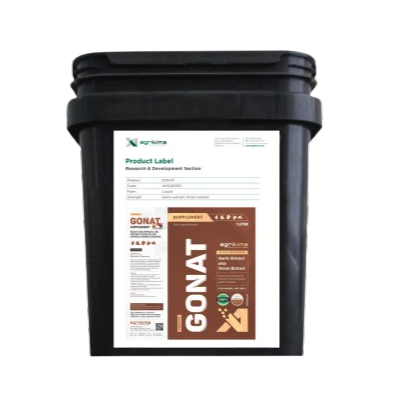
- Quality Products: Consider using quality veterinary products and supplements to support the reproductive health of your goats, enhancing their overall performance.
Conclusion
The buck effect is a valuable tool for goat farmers looking to synchronize the reproductive cycles of their does and enhance breeding success. By carefully managing the introduction of bucks and ensuring optimal health and nutrition, farmers can maximize their herd’s productivity and profitability. Implementing this natural method can lead to remarkable improvements in breeding outcomes, allowing for better management of goat populations.
Your message to the team
Sources: Read More
- Importance of the signals provided by the buck for the success of the male effect in goats — Reproduction Nutrition Development (via PubMed)
- Synchronization of Estrus in Goats - Management and Nutrition - MSD Veterinary Manual — MSD Veterinary Manual (Virginia‑Maryland College of Veterinary Medicine)
- Fact Sheet Series on Meat Goat Herd Management Practices (Out‑of‑Season Breeding) — Cornell University Extension
- The buck effect in goats: A review of neuroendocrine mechanisms, modulating factors, and applications in reproductive management — The Thai Journal of Veterinary Medicine (Chulalongkorn University)
- Reproductive Management Techniques | Langston Ag Research — Langston University Agricultural Research
- Photoperiod‑Treatment in Mediterranean Bucks Can Improve the Reproductive Performance of the Male Effect Depending on the Extent of Their Seasonality — Animals (MDPI)