Bucket Elevators & Screw Conveyors: Sizing & Blockages
Understanding Bucket Elevators and Screw Conveyors
In the agricultural industry, efficient feed handling is crucial for maintaining productivity. Bucket elevators and screw conveyors are two popular systems used for transporting feed and other materials. This article will help you understand how to properly size these systems, manage wear, and avoid blockages that can disrupt your operations.
Bucket Elevators: Sizing Considerations
When it comes to bucket elevators, proper sizing is essential to ensure optimal performance. The volumetric capacity of a bucket elevator can be calculated using several factors:
- Cup Capacity: The size of the individual buckets used in the elevator.
- Fill Percentage: The proportion of the bucket that is filled during operation.
- Cup Spacing: The distance between consecutive buckets on the chain or belt.
- Belt Speed: The speed at which the belt moves, which can affect how quickly materials are transported.
- Number of Cup Rows: The number of rows of buckets on the belt, which can increase capacity.
By carefully considering these factors, you can accurately determine the right size for your bucket elevator to meet the demands of your feed mill operations.
Screw Conveyors: The Versatile Alternative
Screw conveyors, also known as auger conveyors, are widely used in agricultural settings for their versatility and efficiency. They are particularly effective for handling grains and feeds in smaller quantities. However, when larger annual volumes exceed around 30,000 bushels, bucket elevators are generally preferred due to their higher capacity.
Choosing the Right Screw Conveyor
When selecting a screw conveyor, consider the following:
- Capacity: Ensure the conveyor can handle the required volume of material without overloading.
- Power Requirements: Assess the energy needed to operate the conveyor effectively.
- Material Type: Different materials may require specific screw designs to prevent wear and enhance performance.
By evaluating these aspects, you can choose a screw conveyor that complements your feed mill’s operations efficiently.
Managing Wear in Bucket Elevators
Wear and tear in bucket elevators can lead to reduced efficiency and higher maintenance costs. To manage wear effectively, consider the following strategies:
- Regular Inspections: Conduct routine checks on buckets, belts, and chains to identify wear early.
- Quality Materials: Use high-quality buckets and belts that can withstand the conditions of your feed mill.
- Proper Alignment: Ensure that the elevator is properly aligned to minimize unnecessary stress on components.
Implementing these measures can significantly reduce the wear and extend the lifespan of your bucket elevators.
Avoiding Blockages in Feed Conveying Systems
Blockages can disrupt the flow of materials and lead to costly downtime. Here are some tips to avoid blockages in both bucket elevators and screw conveyors:
- Material Selection: Be aware that certain ingredients, like cotton and soybean meals, are prone to buildups that can impede flow.
- Use of Vented Buckets: In bucket elevators, using vented buckets and self-cleaning boot designs can help improve capacity and reduce the likelihood of blockages.
- Maintain Clearances: Keep adequate clearance between buckets and the screw in screw conveyors to prevent choking.
- Monitor Feed Consistency: Ensure that feed consistency is maintained to prevent clumping and buildup within the system.
By proactively managing these factors, you can effectively reduce the risk of elevator blockage and improve your feed mill's overall efficiency.
Conclusion
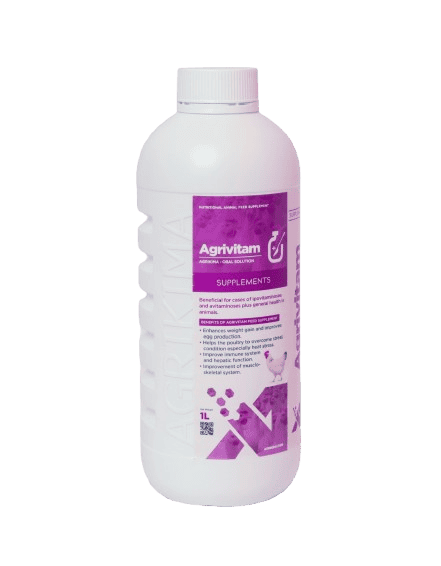
Understanding the intricacies of sizing bucket elevators and screw conveyors, managing wear, and preventing blockages is essential for efficient feed mill operations. By applying the insights provided in this article, you can optimize your systems and ensure a smooth flow of materials. Furthermore, incorporating quality veterinary products and supplements can help enhance overall animal health and productivity, contributing to the success of your farming endeavors.
Your message to the team
Sources: Read More
- Handling agricultural materials : screw and bucket conveyors — Agriculture and Agri-Food Canada
- Auger Conveyors (Auger = Screw Conveyor) — Oklahoma State University Extension
- Design Considerations for the Construction and Operation of Grain Elevator Facilities. Part II — Academia.edu / Process Engineering research
- Impact of Facility Maintenance System on Product Physical Losses in a Poultry Feed Mill Unit — Academic study (feed mill losses)
- Battling Buildups and Blockages — Feed & Grain magazine
- Quantifying Carryover of Animal Feed Additives in Feed Mill Bucket Elevators — Peer‑reviewed journal (MDPI Agriculture)