Calculating True Mill Yield and Shrinkage Losses
Understanding True Mill Yield
True mill yield is a critical measurement in feed production. It helps farmers understand the efficiency of their milling process and identify potential losses. To calculate true mill yield, you need to consider the total amount of raw materials used and the finished product produced.
What is Mill Yield?
Mill yield is defined as the ratio of the quantity of finished feed products to the quantity of raw materials used in production. By maximizing this yield, farmers can improve their profitability.
Calculating Mill Yield
The formula for calculating mill yield is as follows:
Mill Yield (%) = (Total Weight of Finished Feed / Total Weight of Raw Materials) x 100For example, if you start with 1000 kg of raw materials and produce 950 kg of finished feed, your mill yield would be:
Mill Yield = (950 kg / 1000 kg) x 100 = 95%Identifying Hidden Shrinkage Losses
Hidden shrinkage losses are often overlooked but can significantly impact your bottom line. These losses can occur during various stages of feed production and can be attributed to several factors, including:
- Moisture loss during processing
- Dust and fines lost during handling
- Inaccurate measurements
- Quality issues with raw materials
What are Hidden Losses in Feed Mills?
Hidden losses in feed mills refer to the unaccounted quantity of raw materials that do not contribute to the final product. These can arise from:
- Inadequate storage conditions leading to spoilage
- Improper handling that results in wasted materials
- Equipment malfunctions causing production inefficiencies
Calculating Hidden Shrinkage Losses
To effectively manage hidden shrinkage losses, you can calculate them using the following formula:
Hidden Losses (%) = (Total Weight of Raw Materials - Total Weight of Finished Feed) / Total Weight of Raw Materials x 100For example, if you started with 1000 kg of raw materials and only produced 800 kg of finished feed, the hidden losses would be:
Hidden Losses = (1000 kg - 800 kg) / 1000 kg x 100 = 20%Improving Feed Production Efficiency
To enhance feed production efficiency, consider implementing the following strategies:
- Regular Maintenance: Ensure that all milling equipment is regularly serviced to prevent breakdowns that can lead to production losses.
- Proper Training: Train your staff on best practices for handling raw materials and finished feed to minimize wastage.
- Quality Control: Implement strict quality control measures to ensure that raw materials meet the required standards before production.
- Utilize Technology: Invest in feed formulation software to accurately track inputs and outputs, helping to pinpoint areas for improvement.
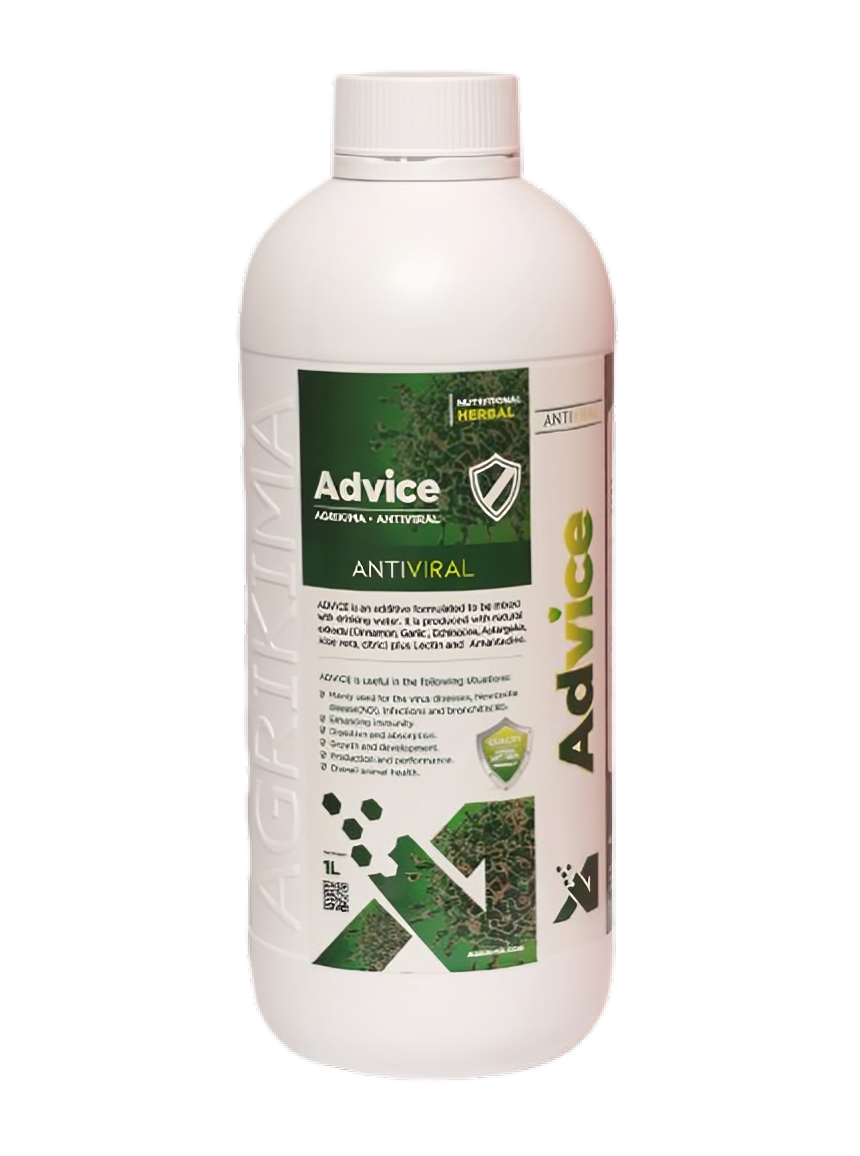
Utilizing Quality Veterinary Products and Supplements
In addition to optimizing your milling process, using quality veterinary products and supplements can enhance the health and productivity of your livestock. Healthy animals are less likely to experience issues that could lead to feed wastage.
Benefits of Quality Supplements
- Improved feed conversion rates
- Better overall health and disease resistance
- Enhanced growth rates in young animals
Conclusion
Calculating true mill yield and understanding hidden shrinkage losses are essential for maximizing the efficiency of your feed production. By implementing effective management practices, you can reduce losses and improve profitability. Remember, investing in quality veterinary products and supplements not only benefits your feed mill operations but also promotes the health of your livestock.