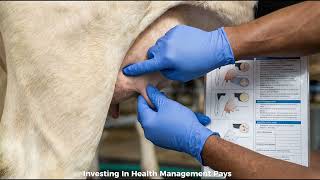
Effective Calf Scours Treatment with Oral Rehydration

Understanding Calf Scours
Calf scours, also known as calf diarrhoea, is a common and serious condition affecting young calves. It can lead to severe dehydration and, if not treated promptly, can result in death. Understanding the causes and effective treatments is crucial for farmers to maintain the health of their herds.
Recognizing the Signs of Calf Scours
Calves with scours typically exhibit several symptoms, including:
- Frequent watery stool
- Decreased appetite
- Lethargy
- Dehydration signs such as dry mouth and sunken eyes
If you notice these signs in your calves, it's essential to act quickly to prevent further complications.
The Importance of Oral Rehydration in Calf Scours Treatment
When calves suffer from scours, they lose significant amounts of fluids and electrolytes. Oral rehydration therapy is a crucial component of calf scours treatment. Using oral electrolyte solutions can help restore the lost fluids and balance electrolyte levels, which is vital for recovery.
According to research, administering oral electrolyte solutions promptly can significantly improve recovery rates in affected calves.
Choosing the Right Oral Electrolyte Solutions
When selecting an oral rehydration solution for calves, look for products that contain:
- Electrolytes such as sodium, potassium, and chloride
- Energy sources, typically in the form of glucose or dextrose
- Buffering agents to help maintain pH balance
These components are essential for effective rehydration and recovery from scours.
Steps for Administering Oral Rehydration Solutions
Follow these steps to effectively administer oral rehydration therapy to calves suffering from scours:
- Assess Dehydration: Check for signs of dehydration by looking for dry mucous membranes, skin elasticity, and sunken eyes.
- Prepare the Electrolyte Solution: Mix the electrolyte powder with clean, lukewarm water according to the manufacturer's instructions.
- Administer the Solution: Use a clean feeding bottle or syringe to give the solution directly to the calf. Ensure that the calf drinks the entire amount if possible.
- Monitor Recovery: Observe the calf for improvement in energy levels and a reduction in diarrhoea. Continue administering the solution until the calf is fully rehydrated.
It's important to administer the oral rehydration solution as soon as you notice signs of scours to prevent severe dehydration.
Complementing Oral Rehydration with Other Treatments
While oral rehydration is critical, it is also important to consider other aspects of treatment. Here are some recommendations:
- Consult a veterinarian for possible underlying infections or diseases that may require specific treatments.
- Ensure that the calf receives adequate nutrition during recovery. High-quality calf milk replacers can be beneficial.
- Maintain a clean environment to reduce the spread of pathogens that can cause scours.
Quality veterinary products and supplements can support overall calf health and recovery from scours.
Preventing Calf Scours
Preventing calf scours is always better than treating it. Here are some preventive measures:
- Ensure calves receive adequate colostrum within the first few hours of life to boost their immune system.
- Maintain cleanliness in feeding areas and avoid overcrowding.
- Regularly monitor the health of calves and quickly identify any signs of illness.
Implementing these preventive strategies can significantly reduce the incidence of calf diarrhoea and the need for treatment.
Conclusion
Effective calf scours treatment hinges on the timely administration of oral rehydration solutions. By understanding the importance of rehydration and following the right steps, farmers can significantly improve the recovery rates of their calves. Always consult with a veterinarian to ensure comprehensive care for your livestock. With prompt action and proper care, you can safeguard your calves against the dangers of scours.
Your message to the team
Sources: Read More
- Calf Scours: Causes, Prevention, and Treatment — Penn State Extension
- Calf Diarrhea: Treatment and Prevention — Food and Agriculture Organization of the United Nations
- Managing Calf Scours — Iowa State University Extension and Outreach
- Calf Scours: Causes and Treatments — North Dakota State University Extension
- Calf Diarrhea (Scours) in Beef Calves — University of Nebraska–Lincoln
- Calf Scours: Causes, Prevention, and Treatment — USDA Animal and Plant Health Inspection Service