Calibrating Ribbon Mixer for Homogenous Batches
Understanding the Importance of Mixer Calibration
Calibrating a ribbon mixer is crucial for achieving homogenous batches of feed. A well-calibrated mixer ensures that all ingredients, including micro-ingredients, are uniformly distributed throughout the mixture. This not only improves feed quality but also enhances animal health and productivity.
What is a Ribbon Mixer?
A ribbon mixer is a popular piece of equipment used in feed mills to mix various ingredients. It consists of a horizontal trough with helical ribbons that move the ingredients in a specific direction, ensuring thorough mixing. Proper calibration of this equipment is essential for maintaining feed uniformity.
Steps to Calibrate a Ribbon Mixer
1. Prepare for Calibration
Before you start the calibration process, ensure that your ribbon mixer is clean and in good working condition. Remove any remnants of previous batches and inspect all components for wear and tear.
2. Select Your Tracers
To effectively calibrate your mixer, select appropriate tracers. Uniformly sized salt, graphite, or iron particles coated with water-soluble dyes are commonly used as tracers to evaluate mixing efficiency. These tracers will help you assess the distribution of ingredients throughout the mix.
3. Conduct a Mixer CV Test
Perform a mixer CV test to measure the coefficient of variation (CV), which indicates the uniformity of the mix. A CV of 10% or less is acceptable for most feed formulations. To conduct this test:
- Add a known quantity of tracers to the feed mix.
- Run the mixer for a standard time, ensuring full batch capacity.
- After mixing, take samples from various locations within the batch.
- Analyze the samples to determine the concentration of tracers.
4. Evaluate the Results
Calculate the CV based on the sample concentrations. If the CV exceeds 10%, it indicates that the mix is inconsistent, and you may need to adjust your mixing time or speed. Mix for longer durations if necessary.
5. Adjust Mixing Parameters
Based on the CV test results, make the necessary adjustments to the mixer settings. This can include:
- Increasing mixing time to achieve better uniformity.
- Adjusting the mixer speed for optimal ingredient movement.
- Ensuring that the mixer is loaded to the recommended capacity to avoid under or over mixing.
6. Re-Test for Consistency
After making adjustments, repeat the mixer CV test to verify that the changes have resulted in improved uniformity. Continue this process until the CV falls within acceptable limits.
Ensuring Micro Ingredient Distribution
Micro-ingredients pose a challenge in mixing due to their small quantity. To ensure effective micro ingredient distribution, follow these tips:
- Introduce micro-ingredients into the mixer first, allowing them to be more evenly dispersed throughout the batch.
- Use a pre-mix of micro-ingredients with a carrier substance to enhance their distribution.
- Maintain an appropriate mixing time to allow for adequate blending of all ingredients.
Benefits of Proper Calibration
Properly calibrating your ribbon mixer can lead to numerous benefits, such as:
- Improved feed quality and consistency.
- Enhanced animal health due to balanced nutrient intake.
- Increased feed efficiency, leading to better production outcomes.
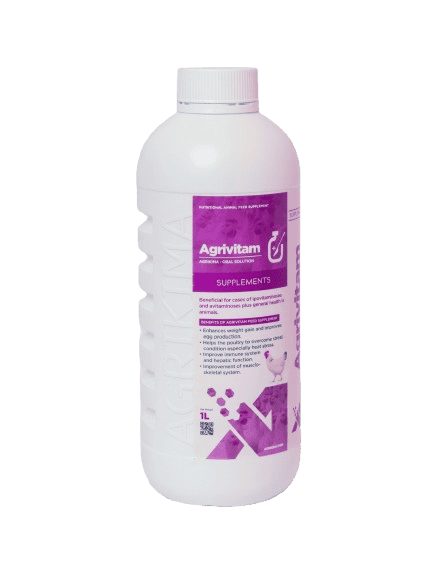
Additionally, consider incorporating quality veterinary products and supplements from Agrikima to further enhance your feed formulations. These products can provide essential nutrients that support overall animal health, particularly when mixed uniformly within the feed.
Conclusion
Calibrating a ribbon mixer is a vital process in feed production, ensuring that all ingredients, including crucial micro-ingredients, are evenly distributed. By following the outlined steps, farmers can achieve homogenous feed batches that promote optimal animal health and productivity. Regular calibration ensures that your mixing process remains effective, ultimately leading to better outcomes for your farm.
Your message to the team
Sources: Read More
- Feed Mill Operations: Mixer Uniformity Test Procedures — Iowa State University Extension and Outreach
- Chapter 18. Feed Milling Processes — Food and Agriculture Organization (FAO)
- Mix feed for pigs — Business Queensland
- A Guide to Feed Mixing — University of California, Davis
- Chapter 14. Stability of Micro-Ingredients in Fish Feed — Food and Agriculture Organization (FAO)