Choosing the Best Pig Breeds for Your Farm
Introduction to Pig Breed Selection
Choosing the right pig breeds for your farm is crucial for ensuring productivity, profitability, and overall animal health. The variety of pig farming breeds available means that farmers must consider several factors, including climate, feed availability, and market demand. In this guide, we'll explore the best pig breeds, with a focus on large white pigs and other popular options, to help you make an informed decision.
Understanding Your Farm's Needs
Before diving into specific breeds, assess your farm's unique conditions:
- Climate: Your local climate significantly influences which pig breeds will thrive. Some breeds are better suited for outdoor farming, while others are more adaptable to intensive systems.
- Market Demand: Research your local market to understand which pig products are in high demand. This can guide your breed selection.
- Feed Resources: Consider the feed resources available on your farm. Certain breeds may require more specialized diets, while others can thrive on less expensive options.
Popular Pig Breeds
1. Large White Pigs
Large White pigs are one of the most popular pig farming breeds worldwide, known for their adaptability and high productivity. They are characterized by their white skin and erect ears and are recognized for their rapid growth rates and excellent feed conversion efficiency. These pigs are often used in commercial crossbreeding programs, enhancing the productivity of other breeds.
2. Landrace
Landrace pigs are known for their excellent mothering abilities and large litter sizes. They have a slightly longer body than Large Whites, which can contribute to higher yields of pork. This breed is particularly suitable for farmers looking to produce high-quality meat products.
3. Duroc
Duroc pigs are recognized for their rich marbling and flavor, making them a favorite among chefs and consumers. They are hardy and can adapt well to different farming systems, making them a good choice for both small and large-scale operations.
4. Berkshire
Berkshire pigs are premium meat producers, known for their tender and flavorful pork. They have a distinct black coat with white points on their legs and face. This breed is often sought after for its high-quality meat, making it a profitable option for farmers focused on niche markets.
5. Native Breeds
In addition to commercial breeds, consider native pig breeds that may offer unique advantages. These native breeds are often more resilient and better suited for local conditions. For example, they might have a better resistance to diseases prevalent in specific regions and can thrive on less intensive feeding systems.
Factors to Consider in Pig Breed Selection
When selecting the best pig breeds for your farm, consider the following factors:
- Growth Rate: Some breeds grow faster than others, impacting your return on investment.
- Feed Efficiency: Look for breeds that convert feed into weight gain efficiently to minimize costs.
- Meat Quality: Select breeds known for producing high-quality meat to meet market demands.
- Disease Resistance: Opt for breeds that show resilience to common diseases in your area. This can reduce veterinary costs and improve overall herd health.
- Adaptability: Ensure the breed can adapt to your local environment and farming practices.
Benefits of Crossbreeding
Crossbreeding can be an effective strategy to combine the best traits of different breeds. For instance, crossing a Large White with a Duroc can produce offspring with excellent growth rates and meat quality. This method allows farmers to enhance their herds while optimizing for specific market needs.
Supporting Your Chosen Breeds
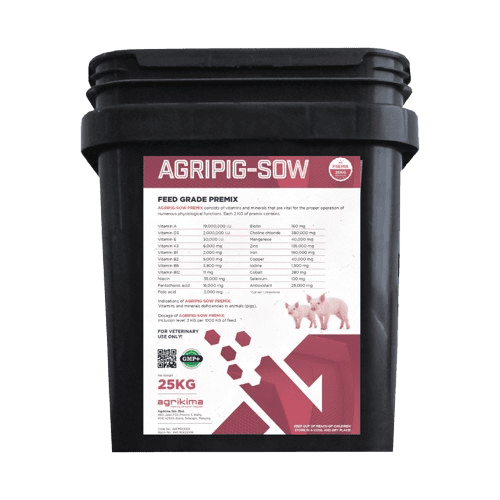
Once you have selected the best pig breeds for your farm, consider integrating quality veterinary products and supplements into your management practices. These can support growth, improve health, and enhance overall productivity. Products like probiotics, vitamins, and minerals can help ensure your pigs achieve their growth potential and maintain good health.
Conclusion
Choosing the right pig breeds involves careful consideration of your farm's specific needs, market conditions, and available resources. By understanding the characteristics of large white pigs and other popular breeds, you can make informed decisions that will lead to a more productive and profitable pig farming operation. Remember, investing in high-quality veterinary products will support your pigs' health and productivity in the long run.
Your message to the team
Sources: Read More
- Pig native breeds for outdoor farming (mEATquality Practice Abstract) — Food and Agriculture Organization (FAO)
- Pigs – introduction — New South Wales Department of Education
- A web tool for the global identification of pig breeds — Genetics Selection Evolution
- Unraveling the Genetic Legacy: Comparative Analysis of Yucatán Black Hairless Pig and Worldwide Indigenous Breeds — Veterinary Sciences (MDPI)