Choosing the Right Boar: Breed, Conformation, Fertility
Introduction
Choosing the right boar is crucial for any pig farming operation. A well-chosen breeding boar can enhance the quality of your pig breeding stock, increase productivity, and improve overall herd health. This guide will help you understand the key aspects of choosing breeding boar pigs, focusing on breed selection, conformation, and fertility checks.
Understanding Breeds
Different pig breeds offer unique advantages and characteristics. When choosing breeding boar pigs, consider the following popular breeds:
- Yorkshire: Known for their high fertility rates and excellent mothering abilities.
- Duroc: Valued for their meat quality and growth rate.
- Berkshire: Renowned for producing high-quality pork with good marbling.
- Landrace: Excellent for crossbreeding due to their adaptability and maternal traits.
Each breed has its own strengths, so assess your farm's goals and decide which breed aligns best with your objectives.
Conformation and Physical Traits
Once you have chosen a breed, the next step is to evaluate the boar's conformation. The conformation of a boar affects its overall productivity and the quality of the offspring. Here are key conformation traits to look for:
- Body Structure: A well-proportioned body with a strong back and straight legs indicates good mobility and strength.
- Size: Look for a boar that is large enough to breed effectively but not overly heavy, which can lead to reduced mobility.
- Head Shape: A broad head is often an indicator of good genetics, while a narrow head may suggest poor breeding stock.
- Teat Count: For breeding purposes, a boar with a high number of teats in its lineage can promote better mothering traits in sows.
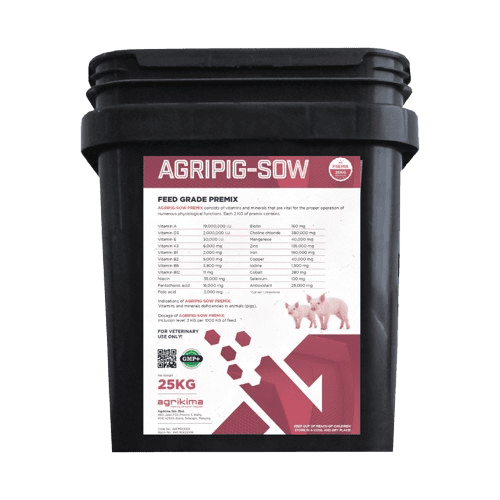
It's essential to assess these traits visually and ensure that the boar meets the breed standards. A quality veterinary product can help maintain a boar's health and enhance these conformation traits.
Fertility Checks
One of the most critical aspects of choosing breeding boar pigs is conducting fertility checks. Understanding swine fertility tests will help you ensure that the boar is capable of producing healthy litters. Here are the steps involved:
- Physical Examination: A thorough check-up by a veterinarian can identify any underlying health issues that may affect fertility.
- Semen Quality Test: Evaluate the boar's semen for motility, concentration, and morphology. High-quality semen is essential for successful breeding.
- Breeding Soundness Evaluation (BSE): This comprehensive assessment checks the reproductive organs and overall health to ensure the boar is fit for breeding.
Regular health checks and quality veterinary supplements can enhance a boar's fertility and overall reproductive performance.
Practical Tips for Choosing the Right Boar
Here are some actionable tips to guide you in your selection process:
- Research: Spend time learning about the different breeds and their traits. Understand the market demand for specific pork qualities.
- Ask for Recommendations: Consult with other farmers or agricultural extension officers about reputable breeders.
- Visit the Farm: Whenever possible, visit the farm where the boar is raised. Observe the animal's living conditions and health status.
- Check Pedigree: Review the boar’s lineage for any genetic diseases or undesirable traits.
- Consider Age: Younger boars may offer better long-term breeding potential, while older boars may have proven fertility records.
Conclusion
Choosing the right boar is a significant decision that can impact the success of your pig farming venture. By focusing on breed selection, conformation, and conducting thorough fertility checks, you can ensure that your investment yields healthy and productive offspring. Remember, quality veterinary products and supplements play a vital role in maintaining the health and performance of your breeding boars.