Choosing the Best Brooder Heat Source for Poultry
Introduction
When it comes to raising healthy chicks, selecting the right brooder heat source is crucial. The temperature in the brooding environment significantly affects the growth, development, and overall welfare of your chicks. Let's delve into a brooder heat source comparison among three popular options: charcoal, gas, and infrared heating.
Understanding Brooder Heat Sources
Each heat source has its unique features, advantages, and drawbacks. Choosing the right one depends on your specific needs, scale of operation, and budget.
Charcoal Brooding
Charcoal brooding involves using a charcoal jiko to provide heat. This traditional method has been widely used for years, especially in areas where electricity is unreliable.
- Temperature Control: Charcoal maintains a stable temperature, averaging around 32.6°C. Research indicates this method can achieve the highest weight gain in broilers and the most efficient feed conversion ratio.
- Cost-Effective: For smallholder farmers, charcoal can be a cost-effective solution, especially where fuel prices are low.
- Environmental Impact: While charcoal can be an eco-friendly option, it’s essential to ensure sustainable sourcing to prevent deforestation.
However, managing a charcoal heat source requires careful monitoring. Farmers should have a backup plan in case of fuel unavailability.
Gas Brooders
Gas brooders utilize propane or natural gas, providing a reliable and efficient heat source for larger operations.
- Quick Heating: Gas brooders heat up quickly, allowing for rapid temperature adjustments, which is essential for maintaining optimal conditions for chicks.
- Consistent Heat: Gas systems can provide a consistent and steady temperature, reducing the risk of temperature fluctuations that could stress the chicks.
- Operational Costs: While the initial investment may be higher than charcoal, the long-term operational costs are often lower due to the efficiency of gas heating.
However, gas systems require proper ventilation to prevent harmful gas buildup, so farmers must ensure they have adequate setups.
Infrared Brooders
Infrared heating is becoming increasingly popular among poultry farmers, particularly for small flocks. Infrared brooder systems use infrared lamps to provide heat directly to the chicks.
- Targeted Heating: Infrared heat lamps direct warmth to the chicks and surrounding surfaces, rather than heating the air. This method is particularly effective for small flocks.
- Energy Efficiency: Infrared systems tend to use less electricity compared to traditional heating methods, making them a cost-effective choice for farmers aiming to reduce energy consumption.
- Ease of Use: Infrared brooders are generally easy to set up and can be adjusted quickly to meet the specific heating needs of your flock.
However, farmers should monitor the distance of the lamps to the chicks to prevent overheating or burns.
Comparison Summary
Here’s a quick comparison of the three heating methods:
- Charcoal: Cost-effective and stable temperature but requires monitoring.
- Gas: Quick heating with consistent temperatures, ideal for larger flocks but needs ventilation.
- Infrared: Energy-efficient and easy to use, best for small flocks but requires careful monitoring of distance.
Practical Tips for Choosing Your Brooder Heat Source
- Assess Your Needs: Determine the size of your flock and budget constraints before deciding on a heat source.
- Consider Energy Availability: Evaluate the availability and cost of gas or charcoal in your area.
- Monitor Temperature Regularly: No matter which system you choose, invest in quality thermometers to ensure your chicks are in a comfortable environment.
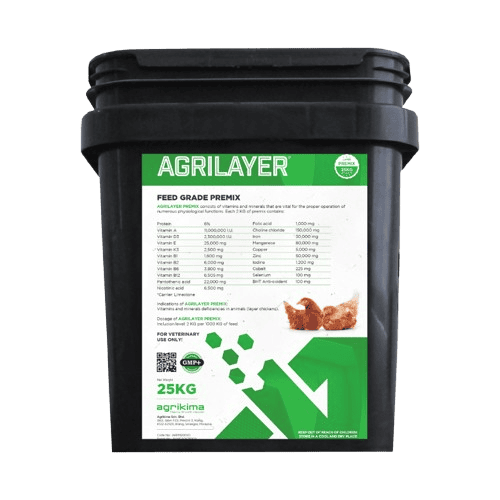
- Supplement with Quality Products: Enhance the health of your chicks with natural animal health solutions and supplements available from Agrikima.
Conclusion
Choosing the right brooder heat source is a crucial decision that can impact the growth and health of your chicks. By understanding the advantages and disadvantages of charcoal, gas, and infrared heating, you can make an informed choice that suits your farming needs. With the right setup, your chicks can thrive in a warm and comfortable environment, paving the way for successful poultry farming.
Your message to the team
Sources: Read More
- Brooding Poultry Hatchlings — Extension
- Methods for Brooding Chicks: Radiant Panels, Infrared Lamps Compared for Electricity Used, Weight Gains, Feed Needs, Mortality, Feathering — California Agriculture
- Determination of Ideal Brooding Temperature for Broilers Performance and Welfare — FAO AGRIS
- Brooding Chicks with Infrared Lamps — U.S. Department of Agriculture