Choosing Healthy Weaners When Buying Pigs
Understanding Weaner Pigs
Weaner pigs are young pigs that have been weaned from their mothers and are typically between 3 to 8 weeks old. Choosing the right weaner pigs is crucial for the success of your pig farming operation, as healthy piglets can lead to better growth rates and overall productivity.
Why It Matters
The selection of healthy weaner pigs is vital because these young animals are at a critical stage of development. Properly chosen weaners can have a significant impact on your farm's profitability, meat quality, and disease resistance. With the right approach, you can ensure that your new pigs grow into strong, healthy adults.
Key Factors in Choosing Weaner Pigs
When it comes to buying weaners, there are several important factors to consider:
1. Health Status
- Always ask about the health status of the herd from which the weaners come. Look for farms that are part of validated brucellosis-free and qualified pseudorabies-negative herds, as these programs help ensure swine health and reduce disease risks.
- Inspect the weaner pigs for signs of illness, such as coughing, lethargy, or poor appetite. Healthy pigs should be active and alert.
- Request vaccination records to confirm that the pigs have received necessary vaccinations prior to sale, which is essential for their ongoing health.
2. Physical Appearance
- Choose weaner pigs that are well-proportioned with thick muscling. According to the Agricultural Marketing Service, U.S. No. 1 pigs are expected to produce high-quality carcasses and should exhibit good muscling.
- Check for healthy skin and coat conditions. Pigs should have smooth skin without any signs of lesions or parasites.
- Pay attention to their body condition. Healthy weaners should not be overly thin or excessively fat; they should have a balanced body weight for their age.
3. Age Consideration
- Be mindful of the actual age of the weaned pigs. The age at which pigs are weaned can vary, so it’s important to get accurate information on their age to avoid inefficiencies in growth and production.
- Younger weaners may require more intensive management and care, while older weaners may adapt more quickly to new environments.
4. Genetic Background
- Consider the breed and genetic background of the weaner pigs. Certain breeds are known for specific traits such as growth rate, feed efficiency, and meat quality. Research which breeds are best suited for your farming goals.
- Consult with breeders who have a good reputation and can provide insights into the genetic strengths of their pigs.
5. Biosecurity Measures
- Always practice strict biosecurity measures when introducing new weaners to your farm. This includes quarantining new arrivals and ensuring they are healthy before mixing them with your existing herd.
- Regularly monitor the health of your existing pigs to prevent disease transmission.
Weaner Pig Checklist
To simplify your buying process, use the following checklist when assessing potential weaner pigs:
- Health records available (vaccination and disease testing)
- Active and alert behavior
- Good muscling and physical condition
- No visible signs of illness or parasites
- Accurate age confirmation
- Positive genetic background from reputable sources
- Biosecurity measures in place at the farm
Support with Quality Products
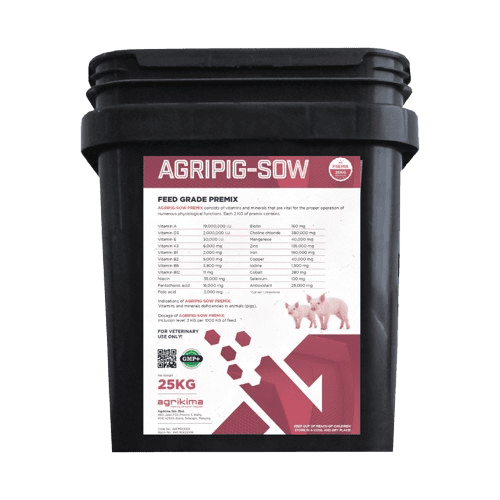
Once you've selected your healthy weaner pigs, consider investing in quality veterinary products and supplements to support their growth and health. Agrikima offers a range of natural animal health solutions that can enhance the well-being of your pigs, ensuring they reach their full potential.
Conclusion
Choosing weaner pigs wisely is a crucial step towards a successful pig farming operation. By focusing on health, physical characteristics, age, genetics, and biosecurity, you can set the foundation for a thriving herd. Utilize this guide and checklist to make informed decisions and watch your investment flourish.
Your message to the team
Sources: Read More
- Feeder Pigs Grades and Standards — Agricultural Marketing Service
- Validated-Qualified Swine Herds — Animal and Plant Health Inspection Service
- Chapter 4: The Pig — Food and Agriculture Organization
- Pig Safety Tips: Before, During, and After the Show — Animal and Plant Health Inspection Service
- How Old Are Your Weaned Pigs Really? — Pork Business