Choosing the Right Pig Breeds in Kenya
Understanding Pig Breeds in Kenya
Pig farming in Kenya has become a vital component of the agricultural sector, providing income and food security for many farmers. Choosing the right pig breeds is crucial for successful pig farming. This guide explores local, crossbred, and exotic pig breeds in Kenya, helping you make informed decisions based on your farming goals.
Local Pig Breeds
Local pig breeds in Kenya are well-adapted to the local environment and have developed resistance to many diseases prevalent in the region. However, they are known for their slower growth rates and lower productivity compared to exotic breeds.
Advantages of Local Breeds
- Hardiness: Local pigs are more resistant to local diseases, making them easier to manage in some cases.
- Low Maintenance: They require less intensive management compared to exotic breeds, which makes them suitable for smallholder farmers.
- Cost-Effective: Local breeds often have lower initial costs, as they thrive on available local feed resources.
Disadvantages of Local Breeds
- Lower Productivity: They generally yield less meat and have slower growth rates, which may impact profitability.
- Limited Genetic Diversity: Relying solely on local breeds may limit genetic improvements.
Exotic Pig Breeds
Exotic pig breeds, such as the Large White pig, are preferred for their superior growth rates and meat quality. However, these breeds require more intensive management and are more susceptible to local diseases.
Advantages of Exotic Breeds
- High Growth Rates: Exotic breeds grow faster and can be ready for market in a shorter period.
- Better Meat Quality: They produce higher-quality pork, which can fetch better prices in the market.
- Increased Productivity: Exotic pigs generally have larger litter sizes and better feed conversion ratios.
Disadvantages of Exotic Breeds
- Intensive Management: They require more attention regarding feed, health care, and housing conditions.
- Higher Costs: The initial cost of purchasing exotic pigs can be significantly higher than local breeds.
- Susceptibility to Diseases: Exotic pigs may be more vulnerable to local diseases, requiring additional veterinary care.
Crossbred Pig Breeds
Crossbred pigs offer a balance between the hardiness of local breeds and the productivity of exotic breeds. This hybrid approach is gaining popularity among farmers in Kenya due to its numerous benefits.
Advantages of Crossbred Breeds
- Enhanced Growth Rates: Crossbreeding local sows with exotic boars can improve growth rates and meat quality, combining desirable traits from both breeds.
- Hardiness and Productivity: Crossbred pigs often retain the hardiness of local breeds while benefiting from the productivity of exotic ones.
- Moderate Management Requirements: Crossbreds typically require less intensive management compared to pure exotic breeds.
Disadvantages of Crossbred Breeds
- Genetic Variability: The performance of crossbred pigs can vary widely, making it essential to choose the right genetic combination.
- Initial Costs: While usually less expensive than pure exotics, crossbred pigs may still come with higher initial costs than local breeds.
Making the Right Choice
When choosing between local, crossbred, and exotic pig breeds in Kenya, consider the following factors:
- Farm Size: Smallholder farmers may benefit more from local breeds due to their lower management needs.
- Market Demand: Research local market preferences to determine which breed will provide the best return on investment.
- Available Resources: Evaluate the resources you have for feeding, housing, and veterinary care.
- Long-Term Goals: Consider whether your aim is for immediate profit or long-term sustainability.
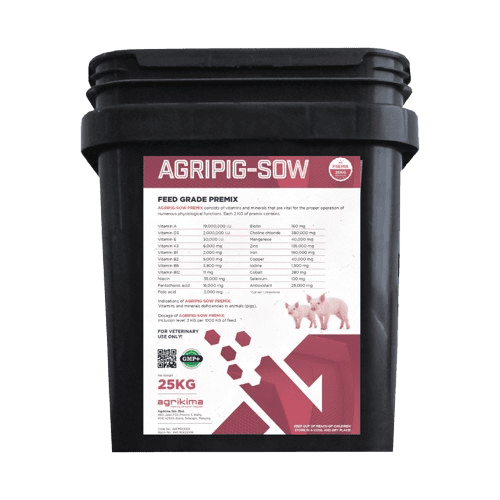
Moreover, utilizing quality veterinary products and supplements can significantly enhance the health and productivity of your pigs, regardless of the breed you choose. Agrikima offers a range of natural animal health solutions and feed additives tailored for different pig farming needs.
Conclusion
Choosing the right pig breeds in Kenya can set the foundation for a successful pig farming venture. Whether you opt for local, crossbred, or exotic pigs, understanding the advantages and disadvantages of each breed will help you make an informed decision that aligns with your farming objectives.
Your message to the team
Sources: Read More
- Pig Production Manual — Kenya Agricultural and Livestock Research Organization (KALRO)
- Pig Farming in Kenya — Food and Agriculture Organization (FAO)
- Pig Breeds and Breeding in Kenya — Kenya Agricultural and Livestock Research Organization (KALRO)
- Pig Farming Guide — Kenya Agricultural and Livestock Research Organization (KALRO)
- Pig Production in Kenya — Kenya Agricultural and Livestock Research Organization (KALRO)