Choosing the Right Toxin Binder for Your Feed
Understanding Toxin Binders in Animal Feed
In the world of animal agriculture, ensuring the safety and efficacy of animal feed is paramount. One crucial aspect of feed safety is the use of toxin binders. These additives play a significant role in preventing the harmful effects of mycotoxins, which can arise from contaminated feed materials. Proper toxin binder selection for feed can enhance animal health and performance.
What Are Mycotoxins?
Mycotoxins are toxic compounds produced by certain molds that can contaminate feed. These toxins pose a serious risk to livestock, affecting their growth, reproduction, and overall health. Common mycotoxins include aflatoxins, deoxynivalenol, and zearalenone, which can be found in grains and other feed ingredients. The impact of mycotoxins can result in economic losses for farmers due to reduced productivity and increased veterinary costs.
The Role of Toxin Binders
Toxin binders are feed additives designed to bind mycotoxins in the gastrointestinal tract of animals, preventing their absorption and minimizing their toxic effects. The most effective method for protecting animals against mycotoxicosis is the use of adsorbents mixed with the feed, which efficiently binds mycotoxins.
Types of Toxin Binders
When selecting a toxin binder for your feed, consider the following types:
- Clay-based binders: These are commonly used due to their natural origin and ability to adsorb a wide range of mycotoxins.
- Activated carbon: Known for its high adsorption capacity, it can effectively bind various mycotoxins but may require careful handling.
- Silica-based binders: These are effective for specific mycotoxins and can improve feed digestibility.
- Multi-mycotoxin adsorbents: Recent research indicates that adsorbents with multi-mycotoxin adsorption ability are more effective for feed decontamination.
Factors to Consider When Selecting a Toxin Binder
Choosing the right toxin binder involves evaluating several factors:
Chemical Structure
The efficiency of toxin binders varies based on their chemical structure and the specific mycotoxins they target. For instance, some binders are more effective against aflatoxins, while others may excel at binding deoxynivalenol. Understanding these differences can guide you in making an informed selection.
Animal Species
Different species may react differently to various binders. For example, the efficiency of a toxin binder may vary between poultry and livestock. Consider the specific needs of your animals when selecting a product.
Formulation Compatibility
Ensure that the chosen toxin binder is compatible with your existing feed formulation. This includes checking for potential interactions with other feed additives, as some binders can affect nutrient absorption or the overall digestibility of the feed.
Regulatory Compliance
Always check that the toxin binder you select complies with local and international feed safety regulations. This ensures that the product is safe for animal consumption and meets the required standards.
Combining Toxin Binders with Other Additives
For enhanced protection against mycotoxins, consider combining a toxin binder with organic acids. Research has shown that this combination can improve growth performance and intestinal health in animals challenged with mycotoxins.
Practical Tips for Implementation
- Test Your Feed: Regularly test your feed for mycotoxin levels to identify contamination early.
- Monitor Animal Health: Keep track of your animals’ health and performance to identify any potential issues related to mycotoxin exposure.
- Consult Experts: Don’t hesitate to reach out to veterinary or feed formulation experts for recommendations tailored to your specific situation.
Quality Products for Your Farm
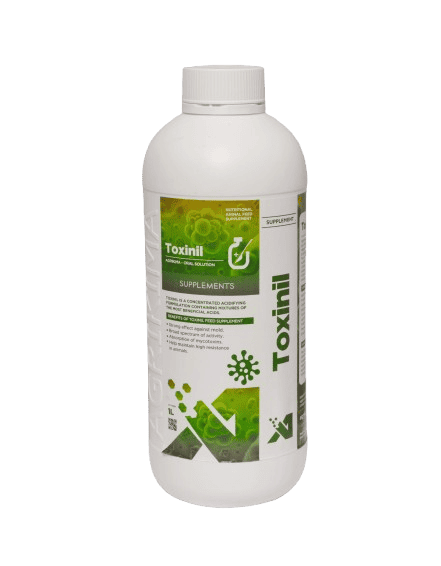
At Agrikima, we provide a range of high-quality toxin binders and feed additives designed to enhance the health and productivity of your livestock. Incorporating these products into your feed strategy can lead to better outcomes and a healthier farm.
Conclusion
Choosing the right toxin binder for your feed is crucial in safeguarding your animals against the harmful effects of mycotoxins. By understanding the types of binders available, the factors influencing their effectiveness, and the importance of combining them with other additives, you can make informed decisions that contribute to the overall well-being of your livestock.
Your message to the team
Sources: Read More
- Review of Mycotoxin-Detoxifying Agents Used as Feed Additives: Mode of Action, Efficacy and Feed/Food Safety — National Agricultural Library
- Mycotoxin detoxication of animal feed by different adsorbents — ScienceDirect
- A review of the mycotoxin adsorbing agents, with an emphasis on their multi-binding capacity, for animal feed decontamination — ScienceDirect
- An In Vitro Study on the Efficacy of Mycotoxin Sequestering Agents for Aflatoxin B1, Deoxynivalenol, and Zearalenone — MDPI
- Remediation Strategies for Mycotoxins in Animal Feed — MDPI
- Effects of toxin binder and an organic acid blend on growth performance, nutrient digestibility, metabolic profile, and intestinal barrier function in broilers challenged with aflatoxin B1 and Clostridium perfringens — ScienceDirect