Clean Milk Production: Key Hygiene Practices
Understanding Clean Milk Production
Clean milk production is crucial for dairy farmers looking to maximize their profits and ensure consumer safety. The quality of milk is directly influenced by hygiene practices during milking, storage, and processing. Implementing effective milk hygiene practices can significantly reduce milk rejection rates and enhance profitability.
Importance of Milk Hygiene Practices
Milk is naturally sterile when secreted into an uninfected udder; however, contamination occurs during and after milking. Maintaining high standards of hygiene is essential to prevent bacterial contamination, which can lead to spoilage and rejection by processors. According to the Food and Agriculture Organization (FAO), milk from clinical mastitis cases should be excluded to avoid high bacterial counts.
Key Hygiene Practices for Clean Milk Production
- Personal Hygiene of Milkers: Ensure that all personnel involved in the milking process maintain strict personal hygiene. This includes washing hands thoroughly and wearing clean clothing.
- Clean and Disinfect Equipment: Regularly clean and disinfect milking equipment, including milking machines, buckets, and storage tanks. This practice minimizes microbial contamination that can compromise milk quality.
- Udder and Teat Hygiene: Prior to milking, clean the udders and teats of cows. This step helps to eliminate surface bacteria that can enter the milk during milking.
- Milking Environment: Create a clean milking environment. This includes ensuring that the milking area is free from dirt, dust, and other contaminants that can affect milk quality.
- Proper Milking Technique: Adopt proper milking techniques to avoid contamination. This includes avoiding touching the udder and teats with dirty hands or equipment.
- Regular Health Checks: Conduct regular health checks on dairy cows to identify and treat any mastitis cases promptly. Healthy cows produce cleaner milk.
- Effective Storage: Store milk in clean, sanitized containers at appropriate temperatures to prevent bacterial growth. Follow guidelines for milk temperature control to maintain quality.
Implementing Good Milking Management Practices
Good milking management encompasses all practices aimed at minimizing contamination. This involves not only hygiene practices but also the overall management of the milking process.
Regular Training for Milking Personnel
Invest in regular training for all personnel involved in the milking process. Training should focus on hygiene practices, proper milking techniques, and the importance of maintaining clean equipment and environments. Knowledge about the impact of hygiene on milk quality can empower workers to prioritize cleanliness.
Utilizing Quality Veterinary Products
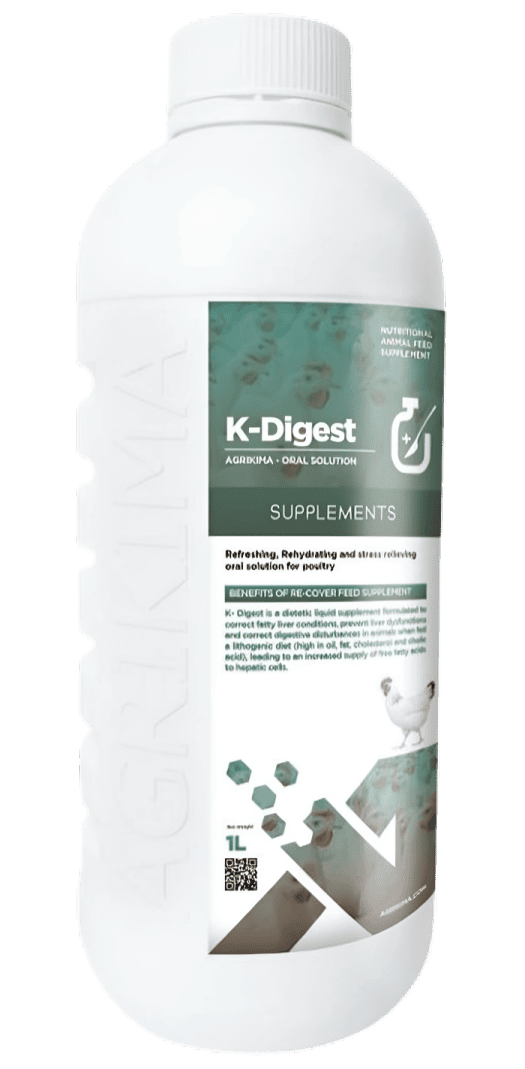
Incorporating quality veterinary products and supplements can enhance udder health and overall milk quality. Products that support the immune system of dairy cows can help reduce the incidence of mastitis and other conditions that compromise milk hygiene. Agrikima offers a range of natural animal health solutions that can be beneficial for dairy farmers.
Monitoring and Testing Milk Quality
To ensure compliance with quality standards, implement a regular monitoring and testing schedule for milk quality. Testing should focus on:
- Bacterial counts
- Presence of antibiotic residues
- Physical characteristics such as colour and odour
By routinely checking these parameters, dairy farmers can identify potential issues before they lead to rejections.
Conclusion
In summary, clean milk production relies heavily on effective hygiene practices that cut rejections. By focusing on personal hygiene, proper milking techniques, and maintaining a clean environment, farmers can produce high-quality milk that meets industry standards. With the right practices in place, dairy farmers can enhance their profitability while ensuring the health and safety of consumers.
Your message to the team
Sources: Read More
- Milking, milk production hygiene and udder health — Food and Agriculture Organization (FAO)
- Quality and testing — Food and Agriculture Organization (FAO)
- Hygienic milk processing: clean environment, clean utensils — Food and Agriculture Organization (FAO)
- Fact sheets: Milking hygiene — Food and Agriculture Organization (FAO)
- FAO - j2308e02: Hygienic Milking — Food and Agriculture Organization (FAO)