The Role of Clean Water in Lowering Antibiotic Use
The Importance of Clean Water in Agriculture
Clean water is an essential resource for all agricultural practices, particularly in livestock farming. It plays a crucial role in maintaining the health of animals and reducing the need for antibiotics. By ensuring that livestock have access to clean water, farmers can significantly reduce the incidence of disease, which in turn lowers antibiotic use.
Understanding Water Hygiene in Livestock
Water hygiene is a vital aspect of livestock health. Contaminated water can lead to diseases that require antibiotic treatment. Implementing proper water hygiene practices can help mitigate these risks. Here are some key practices:
- Regular Water Testing: Ensure that water sources are routinely tested for contaminants, including bacteria and chemicals.
- Proper Storage: Store water in clean, sanitized containers to prevent contamination.
- Immediate Response to Contamination: If contamination is detected, take immediate action to rectify the issue and ensure water quality.
Waterline Sanitation
Waterline sanitation is another critical component in maintaining clean water for livestock. Dirty waterlines can harbor bacteria and pathogens that can affect animal health. Here are some strategies for effective waterline sanitation:
- Routine Cleaning: Clean water lines regularly to prevent the buildup of biofilm and other contaminants.
- Use of Sanitizers: Consider using approved sanitizers to treat water lines and remove harmful pathogens.
- Inspect for Leaks: Regularly check for leaks or damages in water lines that could introduce contamination.
Drinking Water Biosecurity
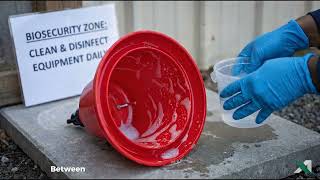
Implementing biosecurity measures around drinking water sources can significantly lower the risk of disease transmission among livestock. Here are some effective biosecurity practices:
- Controlled Access: Limit access to water sources to prevent contamination from wildlife or other animals.
- Monitor Water Quality: Continuously monitor water quality for any changes that may indicate contamination.
- Educate Staff: Train farm workers on the importance of water biosecurity and how to maintain clean water sources.
Impact of Clean Water on Antibiotic Use
Access to clean water has been shown to significantly reduce antibiotic use in livestock. A systematic review indicated that farm-management interventions, including improved water sanitation, successfully reduced antibiotic use by up to 57%. This reduction is primarily due to the decrease in disease incidence when animals are provided with clean water.
Case Studies and Findings
Research has shown that improved water quality can lead to better animal health outcomes. For instance, restrictions on livestock farms near water bodies led to a significant reduction in riverine antibiotic resistance gene abundance. This indicates that clean water not only benefits livestock but also has a positive impact on the environment.
Best Practices for Reducing Antibiotic Use
Incorporating clean water practices into farm management can enhance animal health and reduce reliance on antibiotics. Here are some best practices:
- Implement Water Filtration Systems: Use filtration systems to ensure that the water provided to livestock is free from pathogens.
- Utilize Constructed Wetlands: Consider constructed wetlands for wastewater treatment, as they can effectively remove over 90% of antibiotics and antibiotic-resistant bacteria from livestock wastewater.
- Regular Health Monitoring: Monitor the health of your livestock regularly to catch any illness early, which can help prevent the need for antibiotics.
Conclusion
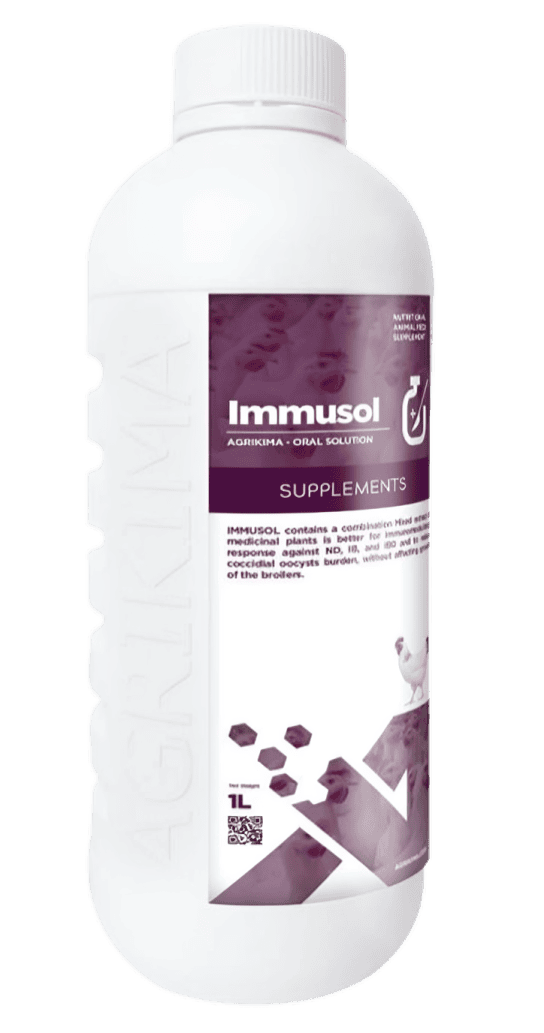
In conclusion, the role of clean water in lowering antibiotic use cannot be overstated. By focusing on water hygiene, sanitation, and biosecurity, livestock farmers can significantly reduce the incidence of diseases that lead to antibiotic treatments. This not only benefits animal health but also contributes to a more sustainable agricultural practice. Farmers can also benefit from using quality veterinary products and supplements to support their livestock's health and reduce the need for antibiotics further.
Your message to the team
Sources: Read More
- Biosecurity and water, sanitation, and hygiene (WASH) interventions in animal agricultural settings for reducing infection burden, antibiotic use, and antibiotic resistance: a One Health systematic review — PubMed
- Reduction in antimicrobial resistance in a watershed after closure of livestock farms — ScienceDirect
- Best Management Practices for Antibiotic Resistance Gene (ARG) Treatment in Livestock Lagoons — National Agricultural Library
- In-Water Antibiotic Dosing Practices on Pig Farms — PubMed Central
- Potential of constructed wetland for the removal of antibiotics and antibiotic resistant bacteria from livestock wastewater — ScienceDirect