Common Particle Size Problems in Feed and How to Fix Them
Understanding Feed Particle Size Problems
Feed particle size plays a crucial role in animal health and performance. Improperly sized particles can lead to various issues, including reduced feed efficiency, increased waste, and digestive problems in livestock. This article will explore common feed particle size problems, the importance of grind uniformity, and practical solutions to ensure optimal feed quality.
Common Feed Particle Size Problems
1. Inconsistent Particle Size
Inconsistent particle size can occur due to variations in the grinding process. Different sizes can lead to selective feeding, where animals consume only the preferred sizes, leading to nutritional imbalances.
2. Excessive Fines in Feed
Fines in feed are tiny particles that result from over-grinding or using an inappropriate hammer mill screen size. Excessive fines can lead to poor feed flow, increased dust, and respiratory issues in animals.
3. Large Particles
On the other hand, large particles can be difficult to digest, leading to lower feed conversion rates and digestive upsets. This issue is particularly problematic in poultry and young livestock, where efficient digestion is essential.
4. Poor Grind Uniformity
Poor grind uniformity can cause problems similar to inconsistent particle size. If some particles are much larger than others, animals may not receive a balanced diet, hampering their growth and productivity.
Why is Particle Size Important?
Particle size significantly affects the digestibility and absorption of nutrients. Properly sized particles enhance the surface area for enzyme action, improving nutrient breakdown. Additionally, the right particle size can prevent feed waste and promote efficient feed utilization, ultimately impacting the overall health and productivity of livestock.
Solutions to Feed Particle Size Problems
1. Optimize Hammer Mill Screen Size
Choosing the right hammer mill screen size is critical for achieving the desired particle size. A finer screen size will produce smaller particles but may increase fines if not monitored carefully. Aim for a screen size that balances between achieving the desired particle size and minimizing fines.
2. Regular Equipment Maintenance
Regular maintenance of milling equipment is essential to prevent inconsistencies in particle size. Ensure that blades are sharp and screens are not worn out, which can lead to uneven grinding. Scheduled maintenance can help maintain grind uniformity.
3. Monitor Moisture Content
Moisture content in feed ingredients can affect grinding efficiency. Too much moisture can lead to clumping, while too little can cause excessive dust. Aim for optimal moisture levels to ensure a consistent grinding process.
4. Conduct Regular Particle Size Analysis
Regularly conducting particle size analysis helps identify issues early on. Use a sieve analysis or laser diffraction method to assess particle sizes in your feed. This information can guide adjustments in the grinding process to ensure optimal feed quality.
5. Use Quality Ingredients and Additives
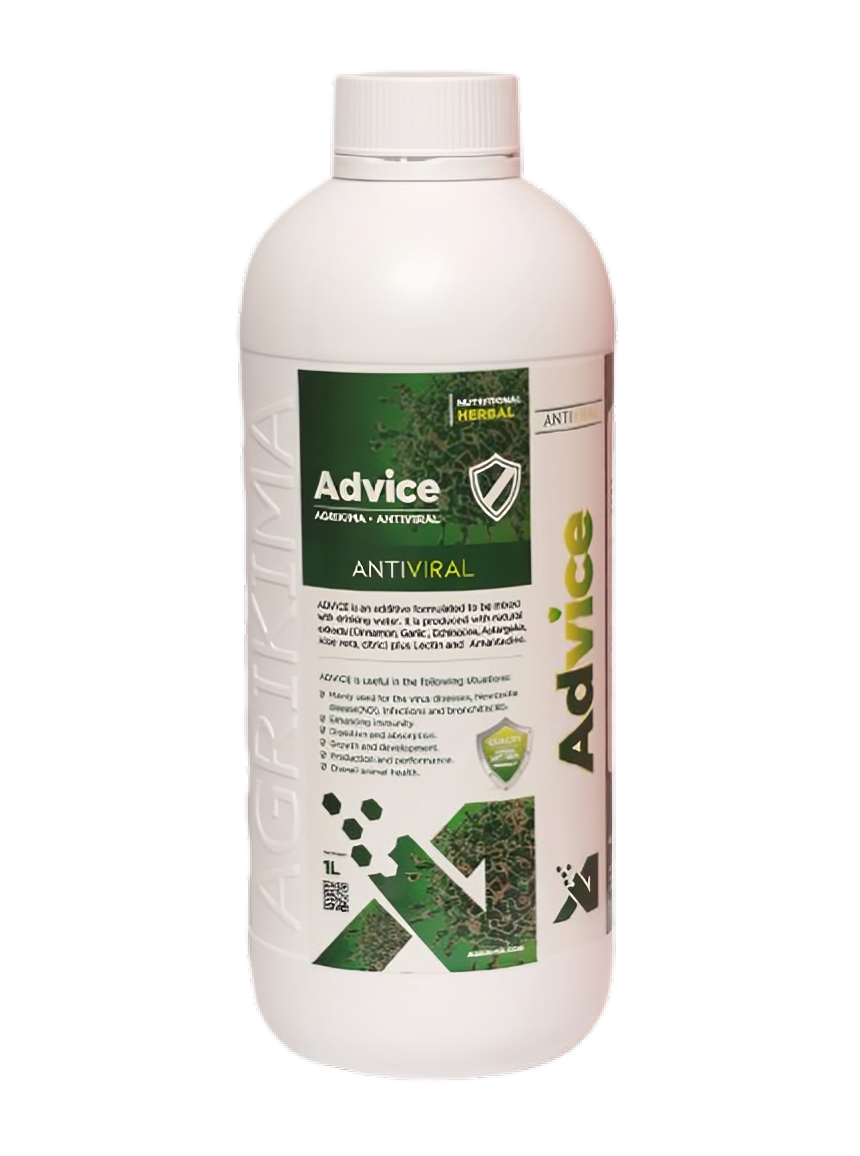
Incorporating quality ingredients and supplements plays a vital role in enhancing feed efficiency. Natural animal health solutions can help improve digestion, especially when particle size issues are present. Consider using supplements designed to support the digestive health of livestock and poultry.
6. Train Staff on Feed Preparation
Training staff on the importance of proper feed preparation and the implications of particle size can lead to better practices. Educate them on the grinding process, equipment operation, and the significance of monitoring particle size.
Conclusion
Addressing feed particle size problems is essential for improving the overall health and productivity of livestock. By optimizing hammer mill screen size, conducting regular maintenance, monitoring moisture content, and utilizing quality ingredients, farmers can enhance feed quality and ensure their animals receive the nutrition they need.
Implementing these strategies will lead to better feed efficiency, reduced waste, and healthier livestock. Remember, investing in quality veterinary products and supplements can further support your animal health initiatives and ensure a thriving farming operation.