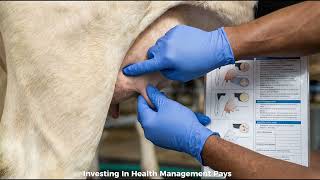
Common Pig Diseases Every Farmer Should Know
Introduction to Common Pig Diseases
Pigs are valuable livestock for farmers, contributing significantly to the agricultural economy. However, like any other animal, they are susceptible to a variety of diseases that can impact their health and productivity. Understanding these common pig diseases and their treatment is essential for maintaining swine health.
Understanding Common Pig Diseases
Farmers should be aware of several common pig diseases that can affect their herd. Early detection and treatment are crucial in preventing widespread issues. Here are some of the most common diseases:
1. Porcine Reproductive and Respiratory Syndrome (PRRS)
PRRS is a viral disease that affects the reproductive and respiratory systems of pigs. Symptoms include:
- Respiratory distress
- Abortion in sows
- Fever and lethargy
2. Swine Influenza
Swine influenza is caused by influenza viruses that infect pigs, leading to respiratory issues. Symptoms include:
- Coughing and sneezing
- Fever
- Loss of appetite
3. Enterotoxemia (Overeating Disease)
This condition is caused by an overgrowth of Clostridium perfringens bacteria, often due to sudden dietary changes. Symptoms include:
- Severe diarrhea
- Abdominal pain
- Sudden death
4. Leptospirosis
Leptospirosis is a bacterial infection that can lead to reproductive failure in sows and kidney disease in pigs. Symptoms may include:
- Fever
- Abortion
- Jaundice
5. Worms in Pigs
Worm infestations, such as roundworms and whipworms, can significantly impact pig health. Symptoms include:
- Weight loss
- Poor growth rates
- Anemia
Common Treatment Options
For effective treatment of common pig diseases, it's essential to consider both medical and natural remedies. Here are some treatment options:
1. Vaccination
Following a proper pig vaccination schedule can help prevent many diseases. Consult with a veterinarian to establish a vaccination plan tailored to your herd's needs.
2. Quality Veterinary Products
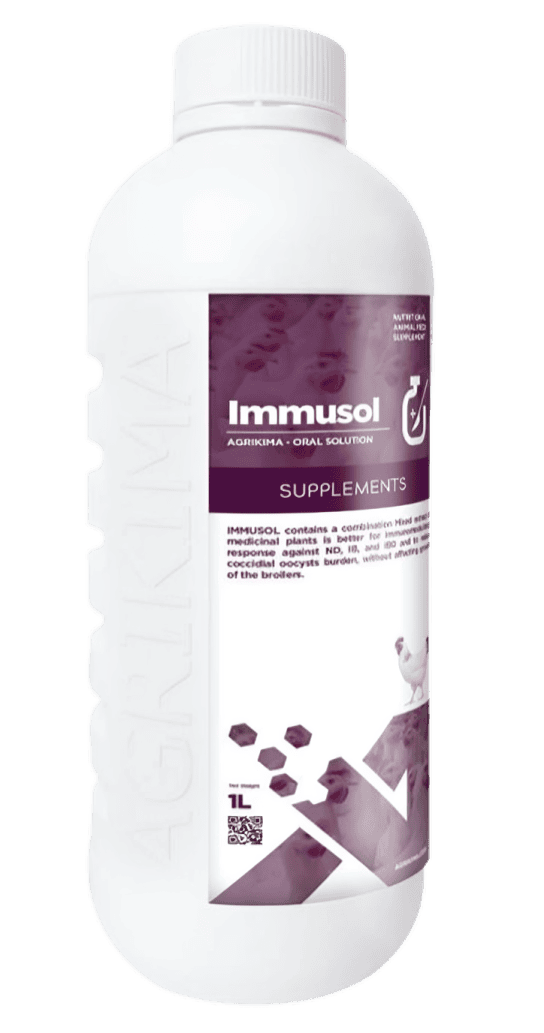
Using high-quality veterinary products and supplements can assist in boosting the immune system and overall health of pigs. Products that contain vitamins, minerals, and probiotics can support swine health effectively.
3. Supportive Care
Providing supportive care during illness can include:
- Ensuring access to clean water
- Offering easily digestible feed
- Maintaining a stress-free environment
Preventive Measures for Swine Health
Prevention is always better than treatment. Here are some tips to prevent common pig diseases:
1. Biosecurity Measures
Implement strict biosecurity measures to prevent the introduction of diseases on your farm. This includes:
- Limiting visitors
- Maintaining clean facilities
- Quarantining new pigs before introducing them to the herd
2. Regular Health Checks
Conduct regular health checks and keep records of vaccination and treatment schedules. Monitoring the health of your pigs can help identify issues early on.
3. Nutritional Management
Providing a balanced diet is crucial for maintaining swine health. Ensure that pigs receive adequate nutrition, including vitamins and minerals, to support their immune systems and overall health.
Conclusion
Understanding and managing common pig diseases is vital for any farmer. By implementing effective treatment options and preventive measures, farmers can ensure the health and productivity of their pigs. Utilizing quality veterinary products and maintaining a proper pig vaccination schedule will go a long way in safeguarding swine health. Stay informed and proactive to keep your herd healthy!