Conditioning Conveyor and Bin Hygiene: Preventing Cross-Contamination
Introduction
In the feed manufacturing industry, ensuring the safety and quality of animal feed is paramount. One often overlooked aspect is the hygiene of conditioning conveyors and bins, which can be a significant source of feed mill cross contamination. This article will explore the risks associated with poor hygiene practices in these areas and provide actionable tips for maintaining cleanliness to protect animal health.
The Risks of Cross-Contamination
Cross-contamination in feed mills can occur through various pathways, and conditioning conveyors and bins are critical points of concern. Contaminants can include harmful bacteria, mold spores, and residues from previous batches of feed. These pathogens can lead to serious health issues in livestock, affecting growth, reproduction, and overall productivity.
Why Conveyor Hygiene Matters
Conveyors are essential for moving raw materials and finished feed products through the milling process. However, they can also harbor residues from previous materials, which can contaminate new batches of feed. Regular cleaning and maintenance of these systems are crucial to prevent the buildup of harmful substances.
Importance of Bin Cleaning
Bins used for storing raw materials and finished products can accumulate dust, moisture, and contaminants over time. If not cleaned regularly, these bins can become a breeding ground for pathogens, leading to cross-contamination. Implementing a strict bin cleaning schedule is essential for maintaining sanitation in feed manufacturing.
Practical Tips for Maintaining Hygiene
1. Regular Cleaning Schedule
- Establish a routine cleaning schedule for all conveyors and bins.
- Use appropriate cleaning agents that are safe for food contact surfaces.
- Ensure that all staff are trained on proper cleaning techniques.
2. Inspect and Maintain Equipment
- Conduct regular inspections of conveyors and bins to identify wear and tear.
- Repair or replace any damaged components immediately to prevent contamination.
- Utilize stainless steel or other non-porous materials to reduce residue accumulation.
3. Implement Good Manufacturing Practices (GMP)
- Adopt GMP to ensure that all processes support hygiene and cleanliness.
- Encourage staff to follow hygiene protocols, including personal cleanliness.
- Limit access to production areas to authorized personnel only.
4. Monitor Humidity and Temperature
- Keep bins and conveyors in controlled environments to minimize moisture buildup.
- Regularly check humidity levels to prevent mold growth and feed spoilage.
- Use temperature monitoring devices to ensure optimal conditions for feed storage.
5. Use Quality Veterinary Products
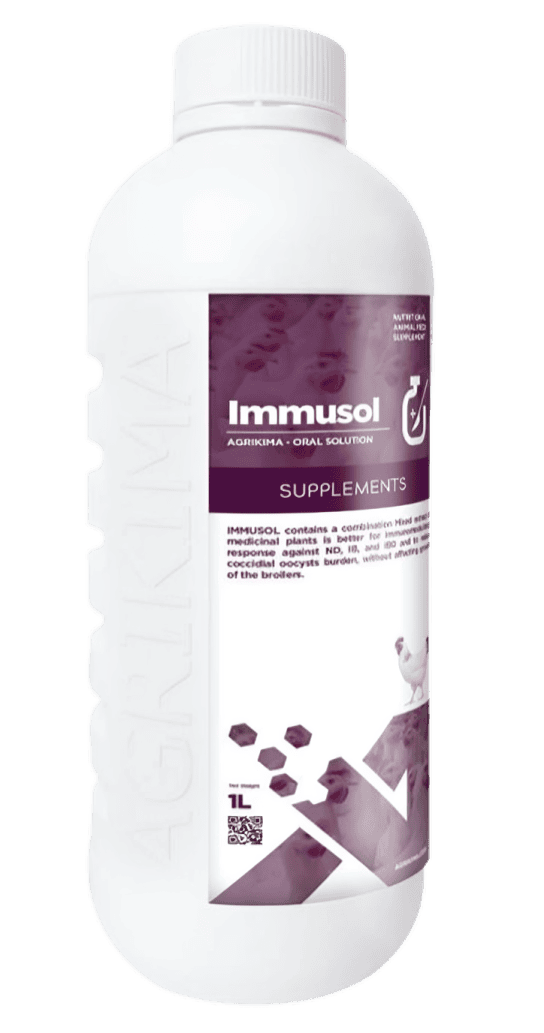
In addition to proper cleaning and maintenance, consider incorporating quality veterinary products and supplements that can help mitigate the effects of any potential contamination. For instance, probiotics can be added to feed to support gut health in animals and combat the negative effects of pathogens.
Conclusion
Conditioning conveyor and bin hygiene is a critical aspect of feed mill sanitation that should not be neglected. By implementing regular cleaning schedules, maintaining equipment, following good manufacturing practices, and monitoring storage conditions, farmers can significantly reduce the risk of feed mill cross contamination. Investing in the right hygiene practices not only protects animal health but also enhances the overall efficiency and profitability of the feed manufacturing process.