Controlling Aflatoxins in Animal Feed Production
Understanding Aflatoxins and Their Risks
Aflatoxins are toxic compounds produced by certain molds that can contaminate animal feed, posing serious health risks to livestock. Aflatoxin B1 is particularly concerning as it is known to be one of the most potent carcinogens naturally occurring in food and feeds. This makes aflatoxin control in feed production critical for ensuring animal health and safety.
Why Aflatoxin Control is Essential
Effective aflatoxin control is vital not only for the health of the animals consuming the feed but also for food safety in the human food chain. When livestock consume contaminated feed, aflatoxins can be excreted in milk (as aflatoxin M1) or accumulate in meat products, posing risks to consumers.
Strategies for Aflatoxin Control in Animal Feed Production
Implementing a comprehensive strategy for aflatoxin control is crucial for feed manufacturers. Here are key methods to consider:
1. Preventive Measures During Cultivation
- Crop Management: Implement integrated pest management to reduce mold growth in the field. Utilize resistant crop varieties and crop rotation to minimize the risk of aflatoxin contamination.
- Optimal Harvesting: Harvest crops at the right time to avoid moisture levels that promote mold growth. Ensure crops are dried properly before storage.
2. Quality Control in Storage
Proper storage conditions are essential for preventing aflatoxin development:
- Store grains in a cool, dry environment to inhibit mold growth. Monitor humidity and temperature regularly.
- Utilize airtight containers or silos to prevent exposure to moisture and pests.
3. Testing and Monitoring
Regular testing of raw materials is essential for detecting aflatoxin presence:
- Implement a routine testing schedule for incoming feed ingredients. Use reliable testing kits and methods to ensure accurate results.
- Monitor feed for aflatoxin levels throughout the production process to ensure compliance with safety standards.
4. Utilization of Aflatoxin Binders
Incorporating aflatoxin binders in the feed can significantly reduce the bioavailability of aflatoxins:
- Several binders, such as activated carbon and aluminosilicates, have been proven effective in binding aflatoxins in the gastrointestinal tract, preventing their absorption.
- Work with a qualified veterinarian to select appropriate binders and supplements for your specific livestock needs.
5. Biocontrol Methods
Another emerging strategy for aflatoxin control involves biocontrol agents:
- Using non-toxigenic strains of Aspergillus can help reduce the risk of aflatoxin contamination in feed. These strains compete with toxin-producing molds and can effectively lower their populations in the feed.
- Consult with agricultural experts to explore biocontrol options suitable for your feed production needs.
6. Education and Training
Educate your staff on the risks of mycotoxins in animal feed:
- Provide training on proper handling, storage, and processing techniques to minimize the risk of contamination.
- Encourage a culture of safety and awareness regarding feed quality among all employees.
Conclusion: Ensuring Feed Safety
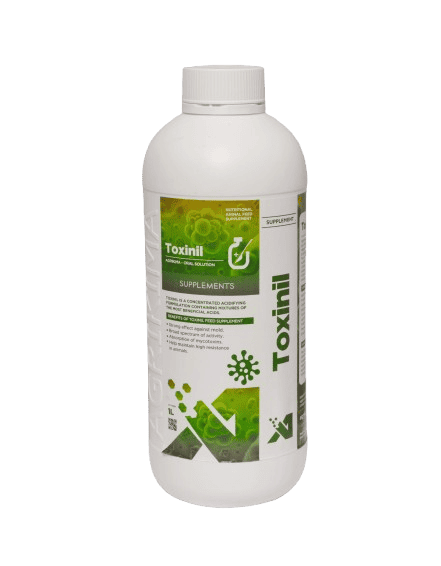
Control of aflatoxins in animal feed production is a multi-faceted approach requiring diligence and proactive measures. From preventive strategies during cultivation to the incorporation of aflatoxin binders and biocontrol methods, farmers and feed producers can significantly mitigate the risks associated with these harmful mycotoxins. Partnering with Agrikima for quality veterinary products and supplements can further enhance your feed safety initiatives, ensuring healthier livestock and safer food products.
By implementing these strategies, you can effectively manage aflatoxin risks and contribute to the overall safety and quality of animal feed.
Your message to the team
Sources: Read More
- Aflatoxin — NC State Extension Publications
- MYCOTOXINS IN POULTRY FEED — Extension
- Aflatoxin health risk in the feed source: Integrated strategies for feed safety and sustainable One Health — ScienceDirect
- Methods for preventing, decontaminating and minimizing the toxicity of mycotoxins in feeds — ScienceDirect
- Guide to Mycotoxins Commonly Found in Animal Feeds — NC State Extension Publications