Cross-Fostering Piglets: Evening Out Litters Effectively
Understanding Cross-Fostering Piglets
Cross-fostering piglets is a widely adopted practice in the swine industry, particularly on commercial pig farms. This method involves transferring piglets from one sow to another with the goal of equalizing litter sizes and improving overall health and growth rates. This practice has been shown to increase piglet survival rates and create more uniform body weights, which is essential for successful pig farming.
Why Cross-Foster Piglets?
The primary reasons for cross-fostering piglets include:
- Equalizing litter sizes to reduce competition for teats.
- Improving weight uniformity among piglets.
- Enhancing overall piglet survival and growth rates.
Research indicates that fostering should ideally be performed within the first 12 to 24 hours after farrowing for optimal outcomes. This timing helps in establishing a stable teat order, thereby ensuring that weaker piglets, often referred to as runt piglets, have access to necessary nutrition.
Timing is Crucial
To maximize the benefits of cross-fostering, it is critical to act quickly. Piglets should be moved to new litters within the first 24 hours of life. This is when the piglets are most adaptable, and their ability to integrate into a new litter is highest. Delaying this process beyond 48 hours can lead to complications, such as decreased survival rates and slower weight gain for the cross-fostered piglets.
Steps for Successful Cross-Fostering
Here are some practical steps to ensure effective cross-fostering:
- Assess Litter Sizes: Identify litters that have fewer piglets and can accommodate additional ones without overwhelming the sow.
- Identify Suitable Recipients: Choose sows with adequate milk production and a calm demeanor to receive the additional piglets.
- Perform Early Transfers: Make the transfers within the first 12 to 24 hours post-farrowing to avoid complications.
- Monitor Integration: After transferring, keep a close eye on the piglets to ensure they are suckling and adapting well to their new environment.
Studies show that transferring piglets into smaller litters can significantly reduce pre-weaning mortality, especially for those that are lighter in weight.
Special Considerations for Runt Piglets
Runt piglets often face the greatest challenges in survival and growth. Ensuring they receive adequate nutrition is vital. When fostering runt piglets, consider the following:
- Match Weight: If possible, transfer runt piglets to litters with similar birth weights to reduce competition and improve survivability.
- Supplementation: Providing high-quality veterinary supplements can help runt piglets gain strength and improve their chances of thriving in a new environment.
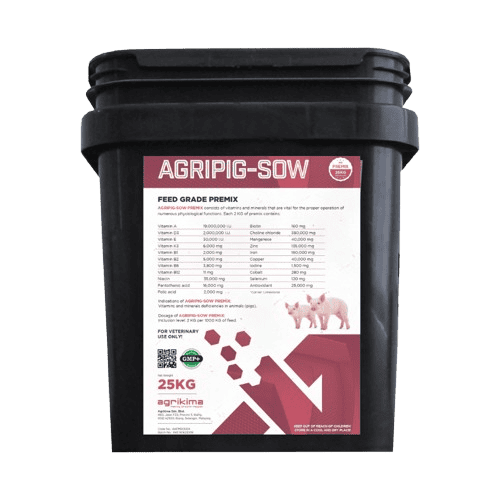
Using natural animal health solutions available from Agrikima can greatly assist in supporting the health of runt piglets during this critical transition.
Challenges of Cross-Fostering
Despite its benefits, cross-fostering can present challenges:
- Integration Difficulties: Piglets transferred to older or larger litters may struggle to integrate, leading to potential suckling issues.
- Teat Order Disruption: Disruption of the established teat order can affect feeding efficiency, particularly for newly transferred piglets.
To mitigate these challenges, ensure that the piglets you are transferring have a similar age and size to those in the receiving litter.
Conclusion
Cross-fostering piglets is an effective strategy to enhance piglet survival and foster growth without losing those vulnerable runt piglets. By carefully managing the timing and conditions of the transfer, farmers can create more uniform litters and improve overall farm productivity. Utilizing quality veterinary products and nutritional supplements can further support the health and growth of piglets during this critical early life stage.
For farmers looking to improve their piglet care practices, consider integrating natural health solutions from Agrikima that focus on enhancing piglet health and nutrition.
Your message to the team
Sources: Read More
- Cross‑Fostering Implications for Pig Mortality, Welfare and Performance — Frontiers in Veterinary Science (Teagasc / University College Dublin)
- Helping high‑risk piglets in the farrowing room — Ontario Ministry of Agriculture, Food and Rural Affairs (OMAFRA)
- Neonatal Management Practices — Iowa State University Extension and Outreach
- Effect of rearing cross‑fostered piglets in litters of differing size relative to sow functional teat number on preweaning growth and mortality — Translational Animal Science
- Cross‑fostering into smaller or older litter makes piglets integration difficult: Suckling stability‑based rationale — FAO / AGRIS
- Effect of rearing cross‑fostered piglets in litters of either uniform or mixed birth weights on preweaning growth and mortality — Translational Animal Science