Crumbling Pellets for Chick Feed: Size Matters
Understanding Crumbling Pellets for Chick Feed
Crumbling pellets have become a popular choice among poultry farmers for chick feed. The process of crumbling pellets breaks down larger feed into smaller, manageable pieces that are easier for chicks to consume. However, achieving the right crumble size is crucial for optimal growth and health of the chicks.
The Role of Roller Gaps in Crumble Size
The key to effective crumble feed production lies in the roller gap of the crumbler. The distance between the two rollers determines the size of the chick crumbs produced during the crumbling process. A well-adjusted roller gap allows for uniform crumble sizes, which can significantly impact feed intake and overall performance of the chicks.
Finding the Right Roller Gap
- The ideal gap for producing chick crumbs typically ranges between 1.0 mm and 3.0 mm, as chicks prefer particles within this size range for optimal consumption and digestion.
- Using a full-feature roll-adjustment system with a digital readout can enhance precision in adjusting the roller gap, ensuring that the crumble size is consistent and appropriate for the chicks.
- Regularly check the sharpness of the rolls; sharper rolls will minimize fines and improve the quality of chick feed crumbs.
Understanding Fines and Their Impact
Fines are the small particles that can separate from intact pellets during the crumbling process. While some fines are natural and can be beneficial, excessive fines can lead to several issues:
- Fines can clog feeders, leading to feed wastage and inefficiencies in feed delivery.
- Chicks may preferentially eat larger crumbs, leaving behind the fine particles, which can result in an unbalanced diet.
- Excessive fines can also reduce the overall feed stability, causing uneven nutrient distribution.
Minimizing Fines in Crumble Production
- Adjust the roll gap correctly; a gap that is too wide will produce larger fines, while a gap that is too narrow may not allow for proper crumbling of the pellets.
- Monitor the feed quality regularly to ensure that the production process remains efficient and that the fines remain within acceptable limits.
- Invest in quality equipment that allows for easy adjustments and maintenance, as this can significantly influence the production of fines during the crumbling process.
Benefits of Properly Sized Chick Crumbs
Ensuring that your chick feed is made up of well-sized crumbs has several advantages:
- Improved Feed Intake: Chicks are more likely to consume feed that is appropriately sized, leading to better growth rates and overall health.
- Enhanced Digestion: Smaller, uniform crumbs are easier for chicks to digest, promoting better nutrient absorption.
- Reduced Waste: Properly sized crumbs minimize feed wastage, ensuring that your investment in feed is maximized.
Conclusion
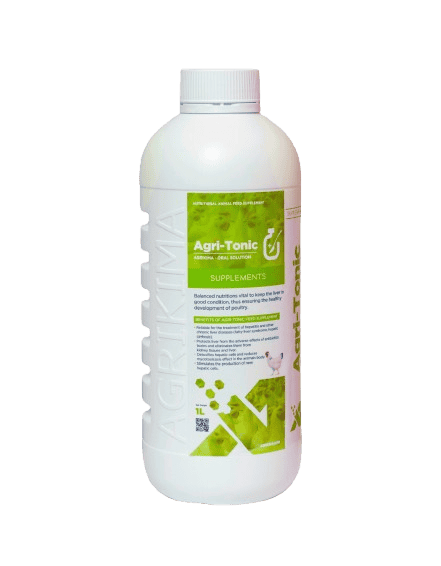
In conclusion, managing the roller gap during crumble feed production is essential for providing high-quality chick crumbs. By minimizing fines and achieving the right size, poultry farmers can ensure that their chicks have access to nutritious and easily consumable feed, promoting optimal growth and health. Quality veterinary products and supplements can also complement the nutritional needs of your chicks, ensuring they thrive and grow into healthy birds.
Your message to the team
Sources: Read More
- Good manufacturing practices and quality assurance handbook for small- and medium-sized feed mills in Uganda — CGIAR / International Feed Resources Unit
- Pelleting process, Part 2 « Global Aquaculture Advocate — Global Aquaculture Alliance / Global Seafood Advocate
- Feed Pelleting Reference Guide — Chapter 21: Pellet Crumbles — FeedStrategy / WattGlobal Media
- The role of feed processing and fiber addition on improving the nutrition and growth performance of broilers — Academia.edu (citing university feed‑tech research)
- The Importance of Pellet Quality In Hog Feeding — Virginia Tech Extension
- ASEC Feed Milling IC 2023 Handouts — ASEC / Feed Milling Industry Conference