Cut Dairy Feed Costs with Fodder Legumes

Introduction
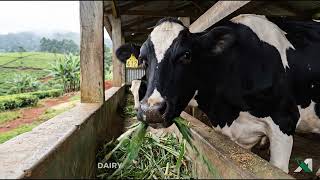
As dairy farmers face rising feed costs, finding cost-effective solutions becomes increasingly important. One effective way to cut dairy feed costs is by integrating fodder legumes into your feeding strategy. Fodder legumes like lucerne and desmodium offer high protein content and can enhance the overall health and productivity of your dairy cows.
Benefits of Fodder Legumes for Dairy Cows
Incorporating fodder legumes into your dairy farming practices can lead to numerous benefits:
- Cost Reduction: Growing your own fodder legumes reduces reliance on purchased feed, significantly cutting down on costs.
- High Protein Content: Legumes such as desmodium provide a rich source of protein, essential for milk production and overall cow health.
- Improved Soil Fertility: Fodder legumes enhance soil health through nitrogen fixation, which can lead to better growth conditions for other crops.
- Palatability: Dairy cows often prefer the taste of legume forages, which can lead to increased intake and better nutritional outcomes.
Key Fodder Legumes for Dairy Farming
Among the many options available, lucerne and desmodium are two excellent choices:
Lucerne (Alfalfa)
Lucerne, also known as alfalfa, is a popular legume in dairy farming due to its high protein content and digestibility. It is typically harvested as hay and can be grown as a perennial crop, providing a continuous supply of fodder.
Desmodium
Desmodium is another highly effective legume known for its excellent protein supplement capabilities. It is particularly beneficial in tropical regions and can help farmers reduce production costs significantly.
Integrating Fodder Legumes into Your Dairy Feed System
To maximize the benefits of fodder legumes, consider the following strategies:
- Crop Rotation: Integrating legumes into your crop rotation can improve soil health and yield. This practice not only boosts the nutritional quality of your forage but also enhances the sustainability of your farm.
- Mixing Legumes with Grasses: Combining legumes with grass can enhance forage productivity. Aim for a mixture where legumes make up about 30-40% of the total forage to optimize protein intake while maintaining overall fiber content.
- Harvesting Techniques: Proper timing of harvest is crucial. Harvest legumes before they flower to ensure maximum protein content and quality.
Practical Tips for Growing Fodder Legumes
Here are some practical tips to help you successfully grow fodder legumes:
- Soil Preparation: Ensure that your soil is well-prepared and has good drainage. Legumes thrive in well-aerated soils with good fertility.
- Seeding Rates: Follow recommended seeding rates for each legume species to ensure optimal growth. Overcrowding can lead to reduced yields.
- Pest Management: Monitor for pests and diseases that may affect legume crops. Implementing integrated pest management (IPM) strategies can help protect your crops without relying heavily on chemicals.
Utilizing Quality Supplements
In addition to planting fodder legumes, consider integrating quality veterinary products and supplements from Agrikima to further enhance the health and productivity of your dairy cows. Products that support digestion, boost immune health, and provide essential vitamins and minerals can complement the nutritional benefits of legumes.
Conclusion
Growing fodder legumes such as lucerne and desmodium can play a significant role in reducing dairy feed costs while improving the nutrition of your dairy cows. By integrating these legumes into your feeding strategy, you can ensure a sustainable and economically viable dairy operation. Start by evaluating your current feed practices and consider the incorporation of legumes to reap the benefits of this cost-effective solution.
Your message to the team
Sources: Read More
- Growing Desmodium, A Super Fodder Crop — Food and Agriculture Organization (FAO)
- Introduction of fodder legumes into rice-based cropping system — Food and Agriculture Organization (FAO)
- Fodder Production Systems — West Central Research and Outreach Center, University of Minnesota
- Legume Hays for Milk Production — National Agricultural Library, USDA
- Benefits of legume-grass mixtures — University of Minnesota Extension
- Perennial Legumes - Forage Species — University of Georgia Extension