Cutting Boiler and Steam Costs in Pellet Production
Understanding Feed Mill Steam Costs
In the feed milling industry, steam plays a crucial role in the pelleting process. However, the costs associated with boiler operation and steam conditioning can significantly impact overall production expenses. By optimizing these processes, farmers can achieve substantial savings and enhance the efficiency of their pellet production.
Importance of Boiler Efficiency in Pelleting
Boiler efficiency is vital for reducing feed mill steam costs. An efficient boiler not only consumes less fuel but also produces the necessary steam at lower operational costs. Here are some key strategies to improve boiler efficiency:
- Regular Maintenance: Schedule routine maintenance to ensure your boiler operates at peak efficiency. This includes cleaning, checking for leaks, and replacing worn-out parts.
- Insulation: Properly insulate steam pipes and the boiler itself to minimize heat loss. This can significantly reduce the energy required to maintain steam production.
- Monitor Fuel Quality: Use high-quality fuel that burns efficiently and produces less ash, thus improving overall boiler performance.
Streamlining Steam Conditioning Costs
Steam conditioning is a crucial step in the pellet production process, enhancing pellet quality and durability. However, it can also be a significant cost driver. Here are ways to cut down on these costs:
- Optimize Moisture Content: Adjusting moisture content during steam conditioning can lead to more stable and less hard pellets, which also decreases energy consumption during the pelleting process.
- Implement Late-Steam Injection: This technique reduces the overall steam consumption and energy needed for feedstock drying, leading to better energy savings.
- Quality Control: Monitor and adjust the conditioning parameters closely to avoid overusing steam, ensuring the right balance between pellet quality and energy efficiency.
Investing in Energy-Efficient Equipment
Upgrading to energy-efficient machinery can yield long-term savings. When selecting equipment, consider the following:
- High-Efficiency Pelletizers: Look for pelletizers that require less energy per ton of production. Many modern models demand between 50 and 100 kilowatts of electrical power per ton per hour of production capacity.
- Smart Technology: Implement smart scheduling technologies to optimize production runs and reduce peak energy costs. This can lead to significant savings on electricity.
Enhancing Pellet Mill Energy Efficiency
Improving the overall energy efficiency of your pellet mill can lead to reduced operational costs. Here are some practical tips:
- Conduct an Energy Audit: Assess your current energy consumption and identify areas for improvement. This can help pinpoint inefficiencies in your operations.
- Utilize Renewable Energy Sources: Explore the possibility of integrating renewable energy solutions, such as solar or biomass, to reduce dependence on traditional energy sources.
- Train Staff on Best Practices: Educate your team on energy-efficient practices in the milling process. Proper handling and operation can make a significant difference in energy consumption.
Implementing Quality Veterinary Products and Supplements
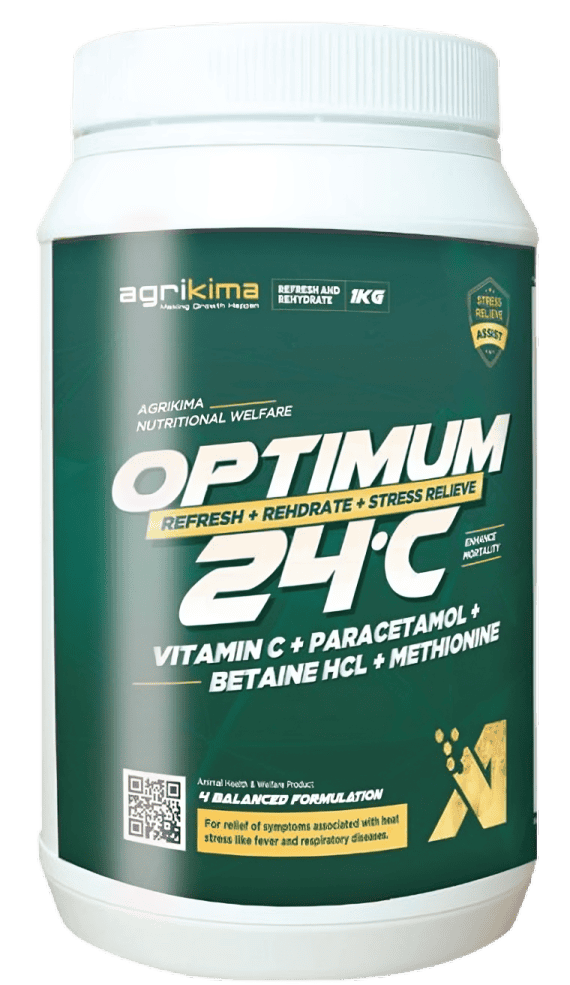
In addition to optimizing steam and energy usage, consider the role of quality veterinary products and supplements in improving animal health and feed efficiency. Healthier animals tend to convert feed more effectively, which can indirectly lead to reduced feed costs.
Conclusion
Reducing feed mill steam costs requires a multifaceted approach focusing on improving boiler efficiency, optimizing steam conditioning, and enhancing overall energy efficiency. By taking these steps, farmers can not only lower their operational costs but also improve the quality of their pellet production.
Your message to the team
Sources: Read More
- Chapter 18. Feed Milling Processes — Food and Agriculture Organization (FAO)
- Effects of ingredients and processing conditions on pellet quality — Purdue University
- Energy savings through late-steam injection – A new technique for improving wood pellet production — Food and Agriculture Organization (FAO)
- Effect of steam conditioning on physical properties of pellets and energy consumption in pelleting process — Food and Agriculture Organization (FAO)
- Manufacturing Fuel Pellets from Biomass — Penn State Extension