Daily Quality Control Checks for Feed Mills
Introduction to Feed Mill Quality Control
Ensuring high-quality feed is crucial for the health and productivity of livestock, poultry, and dairy animals. Feed mill quality control (QC) is a systematic approach to maintaining the integrity of feed production processes. By implementing daily quality control checks, feed mills can improve product consistency, enhance animal health, and comply with regulatory standards.
Importance of Daily Quality Control Checks
Daily quality control checks help identify potential issues before they escalate, ensuring that the feed produced meets both nutritional and safety standards. This practice not only promotes the welfare of animals but also protects the feed mill's reputation and profitability.
Key Daily Quality Control Checks
- Feed Sampling: Daily feed sampling is essential for monitoring the quality of both raw materials and finished products. Samples should be taken from different batches to ensure uniformity and consistency. This process helps detect any variations in nutrient composition or contamination.
- Particle Size Analysis: The size of feed particles can significantly influence digestibility and feed conversion ratios (FCR). A daily particle size analysis, typically using a sieve shaker, ensures that the feed is ground to the appropriate size for the specific livestock category being fed.
- Moisture Content Testing: Moisture levels in feed can affect shelf life and nutrient availability. It's crucial to measure moisture content daily using a moisture meter, ensuring it remains within acceptable limits to prevent spoilage and mold growth.
- Mycotoxin Testing: Mycotoxin contamination can severely impact animal health. Implementing a daily mycotoxin testing protocol helps identify any harmful levels in feed ingredients, allowing for timely intervention.
- Ingredient Quality Checks: Daily inspections of incoming raw materials are vital. Feed mills should verify the quality and integrity of ingredients upon arrival, looking for signs of spoilage or contamination.
- Equipment Calibration: Ensure that all machinery is properly calibrated daily. Miscalibrated equipment can lead to inconsistencies in particle size and nutrient distribution. Regular maintenance and checks are vital for equipment longevity and product quality.
- Mill QC Checklist: Develop a comprehensive mill QC checklist that includes all the above checks and any additional ones relevant to your specific operation. This checklist should be reviewed daily to ensure compliance and facilitate training for new staff.
Implementing Quality Control Practices
To effectively implement these quality control checks, it is essential for feed mills to establish a systematic approach. Here are some practical steps:
- Staff Training: Regularly train staff on the importance of quality control and the specific checks they need to perform. Knowledgeable personnel are key to maintaining feed quality.
- Documenting Results: Keep detailed records of all quality control checks. Documenting findings helps track trends over time and provides valuable information for decision-making.
- Feedback Mechanism: Establish a feedback loop where staff can report any issues or suggest improvements in the quality control process. This fosters a culture of quality and accountability.
- Utilize Technology: Consider using software solutions to monitor quality control processes. Technology can streamline data collection and analysis, making it easier to identify patterns and problems.
The Role of Veterinary Products in Quality Control
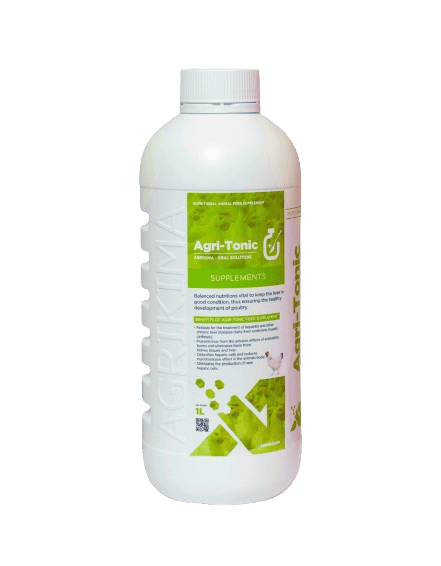
In addition to the quality control checks outlined above, integrating quality veterinary products and supplements into the feed can enhance overall animal health. These products can help address specific nutritional deficiencies and improve feed efficiency, contributing to better growth rates and production outcomes.
Conclusion
Daily quality control checks are a vital part of feed mill operations. By focusing on feed sampling, particle size analysis, and implementing a comprehensive mill QC checklist, feed mills can ensure they produce high-quality feed that supports the health and productivity of livestock. Adopting these practices not only safeguards the animals but also enhances the feed mill's reputation and profitability in the competitive agricultural market.