Understanding Dairy Cow Body Condition Score (BCS)
What is Dairy Cow Body Condition Score (BCS)?
The Dairy Cow Body Condition Score (BCS) is a vital tool for farmers to assess the nutritional status and overall health of their cows. It involves scoring cows on a scale from 1 to 5, where 1 indicates a very thin cow and 5 indicates an obese one. Understanding and utilizing BCS can enhance cow nutrition assessment and improve herd management.
How to Read Dairy Cow Body Condition Score
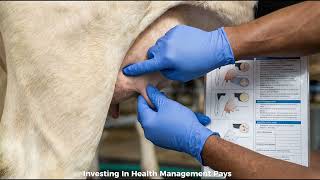
Reading the BCS involves visual observation and physical palpation of specific areas on the cow's body. Here’s how to assess it:
1. Scoring Chart Overview
The BCS scoring chart includes five key scores:
- 1 (Very Thin): Ribs are visible, and the tailhead is prominent.
- 2 (Thin): Ribs are easily felt, but not visible; some fat is noticeable around the tailhead.
- 3 (Moderate): Ribs are not visible but can be felt; moderate fat around tailhead.
- 4 (Fat): Ribs cannot be felt; fat is noticeable on the tailhead, and the cow has a rounded appearance.
- 5 (Obese): Ribs are buried under fat, and the cow appears overly rounded.
2. Identifying Key Areas
To accurately score your dairy cows, focus on the following areas:
- Ribs: Feel for rib prominence; this indicates fat cover.
- Tailhead: Observe the fat around the tailhead; excess fat indicates higher BCS.
- Back: A flat back suggests a lower score, while a rounded back suggests a higher score.
- Pelvic Bones: Check for visibility; they should be less prominent in healthier cows.
Why is Body Condition Score Important?
Understanding the BCS is crucial for several reasons:
- Nutritional Management: BCS helps in evaluating whether your cows are receiving adequate nutrition. A score of 3 is generally ideal for breeding and lactating cows.
- Breeding Efficiency: Cows with optimal BCS are more likely to conceive successfully and maintain a healthy pregnancy.
- Milk Production: Proper BCS is directly correlated with milk yield; cows with a score of 3 or 4 typically produce more milk.
- Health Monitoring: A sudden drop or rise in BCS can indicate underlying health issues that need addressing.
Practical Tips for Managing Body Condition
Once you have assessed the BCS of your dairy cows, here are some practical tips for managing their condition:
1. Adjust Diet Accordingly
Ensure that your cows are on a balanced diet suited to their BCS. For thin cows (scores 1 and 2), consider:
- Increasing energy-dense feeds such as grains.
- Incorporating high-quality forages.
- Supplements that enhance weight gain.
For overweight cows (scores 4 and 5), consider:
- Reducing high-energy feeds and focusing on forage.
- Implementing a controlled feeding program.
2. Monitor Regularly
Regular monitoring of BCS is essential. Schedule assessments at key times, such as:
- Before and after calving.
- During lactation peaks.
- Before breeding season.
3. Use Quality Supplements
Incorporate quality veterinary products and supplements designed to enhance cow health and nutrition. These can help address deficiencies and support optimal condition scores.
Thin Cow Management
Managing thin cows is critical to improving herd productivity. Here are some strategies:
- Identify Causes: Assess potential causes of weight loss, such as illness, inadequate feed, or stress.
- Implement Nutritional Interventions: Use feed additives that promote digestion and nutrient absorption.
- Consult a Veterinarian: If cows remain thin despite adjustments, seek professional advice to rule out health issues.
Conclusion
Understanding how to read and utilize the dairy cow body condition score effectively can significantly enhance your herd management practices. By regularly assessing BCS and implementing practical nutritional strategies, you can ensure your cows remain healthy and productive. Remember, quality veterinary products and supplements play a crucial role in supporting your cows' nutritional needs.