Mastering Dairy Goat Milk Production and Processing
Introduction to Goat Milk Production
Dairy goat milk production is an increasingly popular venture among farmers due to its nutritional value and versatility. Goat milk is rich in essential nutrients and is often easier to digest than cow's milk, making it a sought-after product in various markets.
Understanding Goat Milking Techniques
Efficient goat milking techniques are crucial for maximizing milk yield and ensuring the health of both the goats and the milk produced. Here are some essential techniques:
- Hand Milking: This traditional method involves gently squeezing the udder to extract milk. It requires practice to master the rhythm and pressure to avoid discomfort to the goat.
- Machine Milking: For larger farms, investing in a milking machine can save time and labor. Ensure the machine is suitable for goat milking to prevent injuries.
- Regular Milking Schedule: Establish a consistent milking routine. Goats thrive on routine, which can improve milk production and quality.
Milk Handling Hygiene
Maintaining milk handling hygiene is vital in dairy goat production to prevent contamination and ensure the quality of milk. Here are some key practices:
- Cleanliness: Ensure that both the milking area and equipment are thoroughly cleaned before and after each milking session. Use veterinary products designed for sanitization.
- Personal Hygiene: Farmers should wash their hands before milking and wear clean clothing to minimize contamination.
- Milk Storage: Store milk at the right temperature immediately after milking. Cool milk quickly to reduce bacterial growth.
Producing Goat Milk Products
Goat milk can be transformed into various dairy products, adding value to your goat milk business. Here are some popular products:
Goat Milk Yoghurt
Making goat milk yoghurt is a fantastic way to utilize excess milk. Here’s how to do it:
- Ingredients: You will need fresh goat milk and a starter culture (yoghurt with live cultures).
- Process: Heat the milk to around 180°F (82°C) to kill any harmful bacteria, then cool it to about 110°F (43°C). Add the starter culture and incubate in a warm place for 6-12 hours, depending on the desired thickness.
Goat Cheese Making
Goat cheese is another delicious product that can be produced from goat milk. Here’s a simple method:
- Ingredients: Fresh goat milk, rennet, and salt.
- Process: Heat the milk and add rennet to curdle it. Once curds form, cut them into small pieces and let them rest. Drain the whey, then salt the curds and mold them into desired shapes.
Building a Goat Milk Business
Starting a goat milk business can be profitable if managed well. Consider the following strategies:
- Market Research: Understand your local market demand for goat milk and its products. Identify potential customers such as local shops, restaurants, and directly to consumers.
- Product Diversification: Offer a range of goat milk products, such as yoghurt, cheese, and soaps, to attract different customer segments.
- Branding and Marketing: Create a strong brand identity and use social media to promote your products. Highlight the health benefits of goat milk.
Conclusion
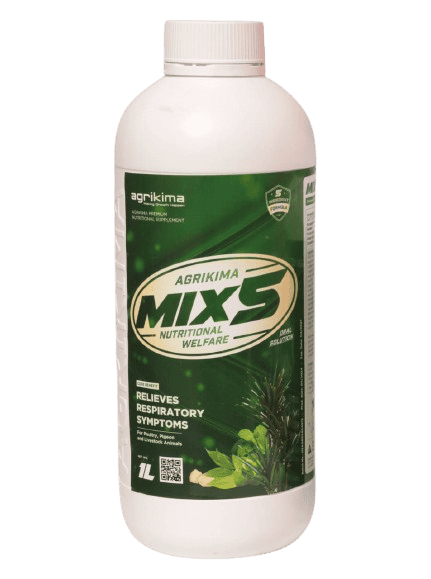
With the right goat milking techniques and a focus on hygiene, dairy goat milk production can be a rewarding endeavor. By producing high-quality goat milk products, farmers can tap into a growing market and build a sustainable goat milk business. Implementing quality veterinary products and supplements can further enhance the health of your goats and the quality of the milk produced.