Dairy Goat Milking Routine for Maximum Yield
Dairy Goat Milking Routine That Maximises Daily Yield
Milking dairy goats is a crucial aspect of goat farming that directly influences milk production and quality. Establishing a consistent and efficient dairy goat milking routine can help farmers maximize their daily yield while ensuring the well-being of their goats. In this guide, we will explore practical tips and techniques to enhance your goat milking process.
Understanding Doe Lactation
Before diving into the milking routine, it's essential to understand the doe lactation cycle. A doe typically starts producing milk after giving birth, with peak production occurring around 4 to 6 weeks postpartum. The lactation period can last anywhere from 210 to 305 days, depending on the breed and management practices.
The Importance of Routine
Establishing a regular milking schedule is vital for both the farmer and the goats. Here are some key benefits of maintaining a consistent milking routine:
- Improved milk yield: Regular milking encourages continuous milk production.
- Better milk quality: A routine helps maintain hygiene and reduces the risk of mastitis.
- Healthier goats: Consistent milking reduces stress in goats, promoting overall health.
Steps to an Effective Dairy Goat Milking Routine
1. Prepare the Milking Area
Creating a clean and comfortable environment for milking is essential. Ensure that the milking area is:
- Free from debris and manure.
- Well-lit and well-ventilated.
- Equipped with necessary tools like buckets, cleaning supplies, and milking machines if used.
2. Maintain Milk Hygiene
Ensuring milk hygiene in goats is critical for producing quality milk. Here are some best practices:
- Wash your hands before milking.
- Clean the udder with warm, soapy water and dry it with a clean cloth.
- Use clean, sanitized milking equipment to prevent contamination.
3. Choose the Right Goat Milking Technique
Employing the correct goat milking technique can significantly impact your yield. Follow these steps for effective milking:
- Approach the goat calmly to avoid startling her.
- Place the goat in a stanchion or a milking stand for better control.
- Use a gentle, rhythmic motion when milking by hand, or adjust the settings of the milking machine to avoid discomfort.
- Milk both teats evenly to maximize yield.
4. Time Management
Consistency in the timing of milking is crucial. Aim to milk your goats at the same time each day, ideally:
- Once in the morning and once in the evening.
- Allow for at least 12 hours between milkings to maintain a healthy lactation cycle.
5. Nutrition and Supplements
A well-balanced diet is essential for maximizing milk production. Consider providing:
- High-quality forage and grains.
- Mineral and vitamin supplements to enhance health and milk yield.
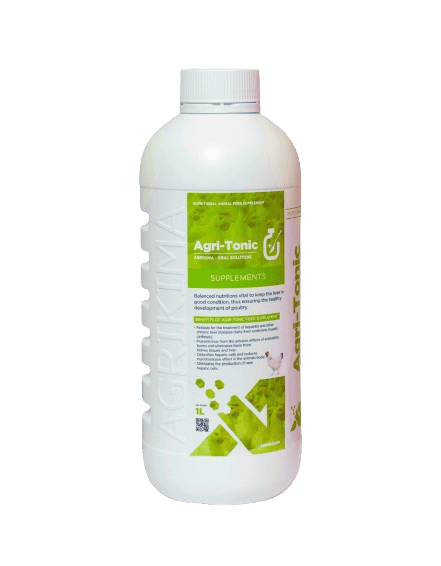
- Quality veterinary products that can support overall goat health.
Post-Milking Care
After milking, it’s important to take care of your goats to ensure their comfort and health:
- Apply a mild antiseptic to the teats to prevent infections.
- Provide fresh water and nutritious feed to encourage recovery.
- Monitor the goats for any signs of discomfort or health issues.
Conclusion
By implementing a structured dairy goat milking routine, farmers can optimize milk yield while ensuring the health and hygiene of their goats. Focus on maintaining cleanliness, employing effective milking techniques, and providing proper nutrition to reap the benefits of a successful dairy goat operation. Remember, the right practices can lead to increased production and a healthier herd.