Essential Day-One Procedures for Healthy Piglets
Introduction
The first day of a piglet’s life is crucial for its development and long-term health. Proper care and management during this period can significantly reduce mortality rates and promote overall well-being. In this guide, we will discuss essential piglet day one procedures that include iron injections, tail docking, and castration, ensuring that these processes are done right.
Importance of Iron Injections for Piglets
Iron is an essential mineral for piglets, and they are often born with low iron reserves. This deficiency can lead to anemia, which can be detrimental to their health.
Why Iron Injections?
- Prevention of Anemia: Iron injections help prevent anemia in piglets, ensuring they have enough hemoglobin for oxygen transport.
- Improved Growth Rates: Adequate iron levels contribute to better growth rates and overall health, leading to more productive livestock.
- Lower Mortality Rates: Administering iron shortly after birth can reduce the risk of mortality due to iron deficiency.
How to Administer Iron Injections
Administer iron injections to piglets within 24 hours of birth for maximum effectiveness. Here’s how:
- Choose the Right Product: Use a high-quality veterinary iron supplement designed for piglets.
- Dosage: Follow the recommended dosage on the product label, typically between 100-200 mg of iron per piglet.
- Injection Site: Administer the injection intramuscularly, usually in the neck area.
- Sanitize: Always use sterile equipment and follow proper hygiene practices to prevent infections.
Tail Docking in Pigs
Tail docking is a common practice in pig farming to prevent tail biting, a behavior that can lead to injury and infection.
When and Why to Dock Tails
- Timing: Tail docking should be done within the first few days of life.
- Behavioral Management: Docking tails can reduce the risk of tail biting among pigs, which can cause stress and lead to health issues.
- Health Benefits: A shorter tail minimizes the risk of injury and infection from aggressive biting behaviors.
Best Practices for Tail Docking
To dock tails effectively and humanely, consider the following:
- Use Proper Tools: Use a sharp, sanitized tail docking knife or clippers to ensure a clean cut.
- Limit Length: Dock the tail to about 2-3 inches from the body. This length is typically sufficient to prevent tail biting while minimizing stress.
- Pain Management: Consider using pain relief methods, such as local anesthetics or anti-inflammatory medications, to reduce discomfort.
Castration of Piglets
Castration is performed to prevent unwanted breeding and improve meat quality. It is a standard practice in pig farming.
When to Castrate
It is advisable to perform piglet castration within the first week of life. Early castration can lead to:
- Reduced Aggression: Castrated males tend to be less aggressive towards other pigs.
- Improved Meat Quality: Castration prevents the development of boar taint, which can affect the taste of the meat.
Steps for Safe Castration
Follow these steps to ensure a safe and effective castration:
- Preparation: Ensure that all tools are sterile. Have antiseptic solutions and gloves ready.
- Technique: Use the knife or surgical scissors to remove the testicles. Ensure the procedure is quick to minimize stress.
- Post-Procedure Care: Monitor the piglets for any signs of infection or complications. Administer pain relief if necessary.
Conclusion
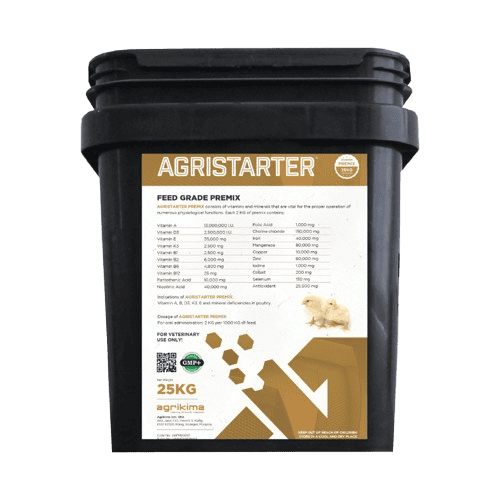
Proper management of piglet day one procedures is vital for the health and productivity of your pig herd. By implementing iron injections, tail docking, and castration effectively, you can set the foundation for healthy growth and development in your piglets. Quality veterinary products and supplements from Agrikima can assist in ensuring these procedures are done right, leading to a successful farming operation.