Diagnosing and Treating Greasy Pig Dermatitis
Understanding Greasy Pig Dermatitis
Greasy pig dermatitis, also known as exudative epidermitis, is a serious bacterial skin infection caused by Staphylococcus hyicus. This condition predominantly affects piglets under 8 weeks old, leading to greasy, exudative lesions on the skin. If left untreated, greasy pig disease can result in high mortality rates among affected piglets.
Identifying the Symptoms
Detecting greasy pig dermatitis early is crucial for effective treatment. Here are the key symptoms to look for:
- Greasy Skin: The most apparent sign is the presence of greasy, moist lesions primarily around the face, ears, and other areas.
- Exudative Lesions: These lesions may ooze fluid, leading to crusty scabs and a foul odor.
- Skin Redness: Infected areas often appear red and inflamed.
- Lethargy: Affected piglets may show signs of weakness and lethargy.
- Poor Growth: Growth rates may decline significantly in affected animals.
If you observe these symptoms, it's essential to act quickly to prevent further complications.
Diagnosing Greasy Pig Dermatitis
Diagnosing greasy pig dermatitis typically involves a thorough examination by a veterinarian. They will consider the history of the pigs, clinical signs, and sometimes conduct skin scrapings to identify the presence of Staphylococcus hyicus. Early diagnosis is key, as timely treatment can significantly improve outcomes.
Treatment Options for Greasy Pig Disease
The treatment of greasy pig dermatitis involves both veterinary intervention and proper management practices. Here are the essential steps:
1. Veterinary Antibiotics
Consult your veterinarian for appropriate antibiotic treatments. Commonly used antibiotics include:
- Oxytetracycline
- Procaine penicillin
- Amoxicillin
These antibiotics are effective against Staphylococcus hyicus and can help clear the infection.
2. Supportive Care
In addition to antibiotics, supportive care is vital:
- Maintain a clean and dry living environment to prevent further skin irritation.
- Provide high-quality nutrition to support the piglet's immune system.
- Monitor affected piglets closely for any signs of worsening conditions.
3. Topical Treatments
Topical antiseptics may also be applied to help manage the lesions. These treatments can reduce infection risk and promote healing. Always follow your veterinarian's guidance when applying any topical treatments.
Preventive Measures
- Good Hygiene: Ensure that the pig housing is clean, dry, and well-ventilated.
- Regular Health Checks: Conduct routine examinations of piglets to catch early signs of dermatitis.
- Proper Nutrition: Provide a balanced diet rich in essential vitamins and minerals to support skin health.
- Reduce Stress: Minimize stressors in the environment which can weaken immune responses.
The Role of Quality Products
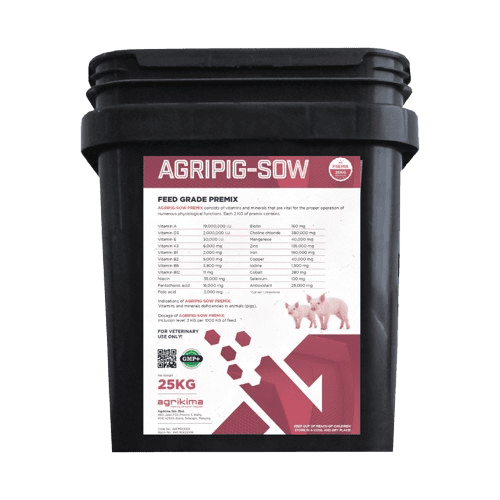
Using quality veterinary products and supplements can significantly contribute to piglet skin care. Agrikima offers a range of natural animal health solutions and supplements designed to enhance overall health and resilience in livestock. Incorporating these products can help mitigate the risk of infections like greasy pig dermatitis.
Conclusion
Greasy pig dermatitis is a preventable and treatable condition when addressed promptly. By understanding the symptoms, acting quickly with veterinary care, and implementing good management practices, farmers can effectively manage this disease. Prioritize your piglet's health with quality products and regular health assessments to ensure a thriving herd.