Displaced Abomasum in Fresh Cows: Key Signs to Watch
Understanding Displaced Abomasum in Fresh Cows
Displaced abomasum (DA) is a serious condition that affects many dairy farmers, particularly those with high-yielding dairy cows. This condition occurs when the abomasum—the fourth stomach compartment—shifts from its normal position, leading to various health issues in the affected cows. In fresh cows, particularly those within the first weeks after calving, the risk of developing a left displacement of the abomasum (LDA) is significantly heightened.
What Causes Displaced Abomasum?
Several factors contribute to the occurrence of displaced abomasum in cows, especially in fresh cows. High milk production and stress during the early lactation period are critical risk factors. Additionally, metabolic disorders like ketosis and hypocalcemia can increase susceptibility to DA.
Common Signs to Watch For
Recognizing the signs of a displaced abomasum early can be crucial for effective management and treatment. Here are some key indicators to monitor:
- Off Feed: Fresh cows often show a lack of appetite. If you notice a fresh cow off feed, it could be an early indicator of DA. This is particularly concerning if they are gaunt and have reduced milk production.
- Pinging Sound: The most telling sign of a displaced abomasum is the characteristic 'ping' sound heard when a veterinarian uses a stethoscope to listen to the left flank of the cow. This sound indicates gas accumulation in the displaced abomasum.
- Changes in Manure: Affected cows may produce scant, pasty manure, which can indicate digestive disturbances.
- Physical Changes: Look for signs of dehydration, weight loss, or a distended abdomen. These symptoms can signify a serious health issue that requires immediate attention.
Diagnosis and Veterinary Care
When you suspect a cow has a displaced abomasum, immediate veterinary intervention is critical. Your veterinarian will perform a thorough examination, including listening for the 'ping' sound. They may also assess the cow's overall condition and health status to determine the best course of action.
In many cases, treatment for LDA involves surgical correction, where the abomasum is repositioned and sutured to the body wall to prevent further displacements.
Preventive Measures
Preventing displaced abomasum is far more effective than treating it after the fact. Here are some strategies to reduce the risk:
- Nutrition Management: Ensure that the total crude fiber in the diet exceeds 17%. Adequate fiber helps maintain proper digestive health and reduces the risk of DA.
- Gradual Feed Changes: Avoid sudden changes in the cow’s diet, especially during the transition period around calving. Gradual adjustments can help stabilize the cow’s metabolism.
- Monitor Health Closely: Regularly assess the health of fresh cows, especially during the first month of lactation when the risk of DA is highest. Look for early signs of ketosis and hypocalcemia, and address them promptly.
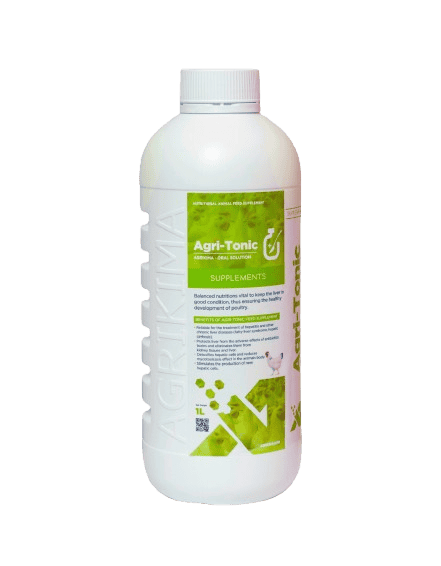
- Quality Veterinary Products: Utilize natural animal health solutions and supplements to support overall cow health and prevent metabolic disorders. Products designed to boost energy and nutrient absorption can be beneficial during the critical fresh period.
Conclusion
Displaced abomasum is a significant concern for dairy farmers, especially in fresh cows. By being vigilant for the signs of this condition, such as the 'ping' sound and changes in feed intake, and by taking proactive measures to manage cow health, you can mitigate the risks associated with this disorder. Remember, timely veterinary intervention is key, and incorporating quality veterinary products into your management practices can lead to better outcomes and improved overall herd health.
Your message to the team
Sources: Read More
- Displaced Abomasum | MU Extension — University of Missouri Extension
- Displaced Abomasum (DA) — University of Kentucky Cooperative Extension
- Retrospective Evaluation of Method of Treatment, Laboratory Findings, and Concurrent Diseases in Dairy Cattle Diagnosed with Left Displacement of the Abomasum during Time of Hospitalization — Animals (MDPI)
- Left displacement of the abomasum in dairy cattle: recent developments in epidemiological and etiological aspects — Veterinary Research (Utrecht University / INRA)
- Extension Bulletin E‑750: Displaced Abomasum… Post‑Calving Disorders Related to Feeding — Michigan State University Cooperative Extension